
According to an Advocate General at the European Court of Justice, Palestinians may have special claims to asylum due to the situation in the Gaza Strip.
Stateless Palestinians from the Gaza Strip will likely be able to obtain refugee protection in EU states more easily in the future due to the current situation in the Gaza Strip.
According to an opinion issued by the Advocate-General of the European Court of Justice (ECJ) in Luxembourg, Nicholas Emiliou, authorities must take into account the general living conditions in Gaza when considering asylum cases. He added that authorities must also consider the reasons why Palestinians leave the UN Relief and Works Agency (UNRWA) protection area and whether it would even be possible for them to return there.
Although the ECJ is not bound by advisory opinions in its judgment, they are significant as the court does follow these opinions in the vast majority of cases.
Under Emiliou's interpretation, Palestinians who have fled to the EU could claim that the protection of the UNRWA no longer applies due to the dire security situation in the embattled enclave, regardless if they have been affected by this directly.
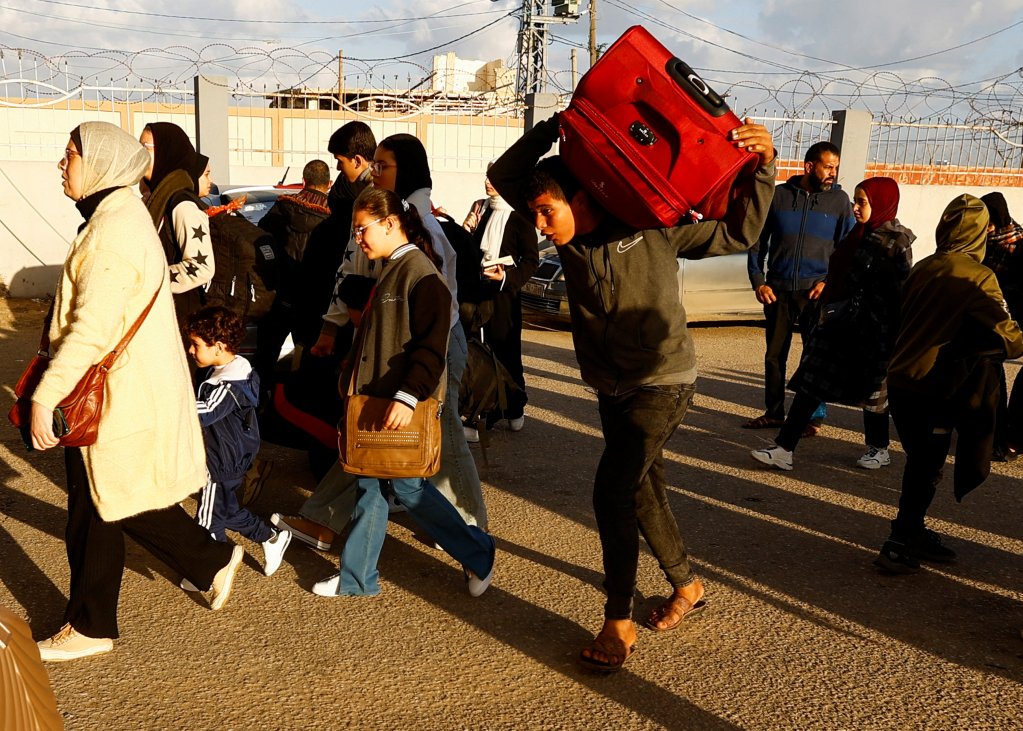
Especially in the current situation following the Hamas attack on Israel on October 7, "precise and up-to-date information" must be used for this. This is because it is possible that the UN Relief and Works Agency will no longer be able to fulfill its protective function and guarantee returnees the satisfaction of their basic needs such as food and housing.
Also read: Gazan IDPs have 'nowhere to go' warns Save the Children
Statelessness in context of asylum
A stateless person is not recognized as a legal member of any nation and lacks the associated rights and protections that citizenship typically affords. Stateless individuals often face significant challenges, including restricted access to education, healthcare, employment, and other basic rights that citizens usually enjoy.
The United Nations High Commissioner for Refugees (UNHCR) estimates that at least 4.4 million people in 95 countries are stateless or of undetermined nationality. Although the agency claims that the actual figure globally is believed to be far higher, "given the relative invisibility of stateless people in national statistical exercises."
Many Palestinians are considered stateless due to the complex and protracted Israeli-Palestinian conflict, following the establishment of the State of Israel in 1948. The displacement and dispossession of hundreds of thousands of Palestinians during the 1948 Arab-Israeli War, known as the Nakba, resulted in a significant refugee crisis.
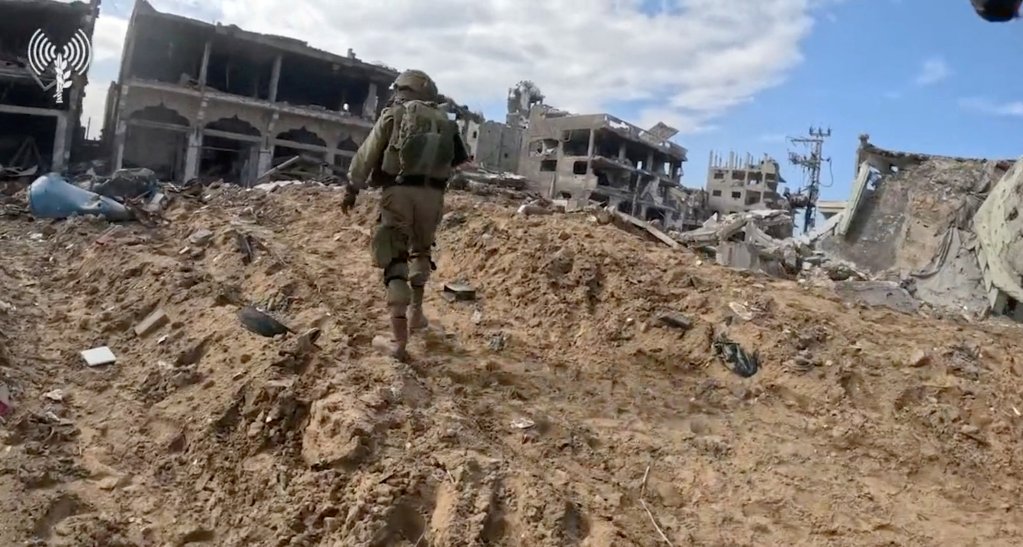
Many Palestinian refugees and their descendants still live in refugee camps in neighboring countries, particularly in Jordan, Lebanon, and Syria. As refugees, who are registered with UNRWA, they often face legal and practical challenges in obtaining citizenship or nationality in their host countries.
To some extent this is also the case for Palestinian refugees in the EU, where stateless Palestinians who are registered with UNRWA are initially excluded from being granted refugee status under EU law. However, this approach would no longer apply if the UN relief organization is unable to provide protection or assistance or if Palestinians have to leave its area of protection.
Also read: Stateless in Germany 'denied the right to have rights'
Interpreting EU rules on statelessness
The case referred to by Emiliou concerns two stateless Palestinians who applied for refugee protection in Bulgaria in August 2022. They originally lived in the Gaza Strip and were registered with UNRWA. However, they then had to leave the UNRWA protection area.
The Sofia Administrative Court in Bulgaria referred several questions to the ECJ in this regard, asking for an interpretation of the directive and even though it is not binding, the Advocate General's opinion provides important guidance for the subsequent ruling.
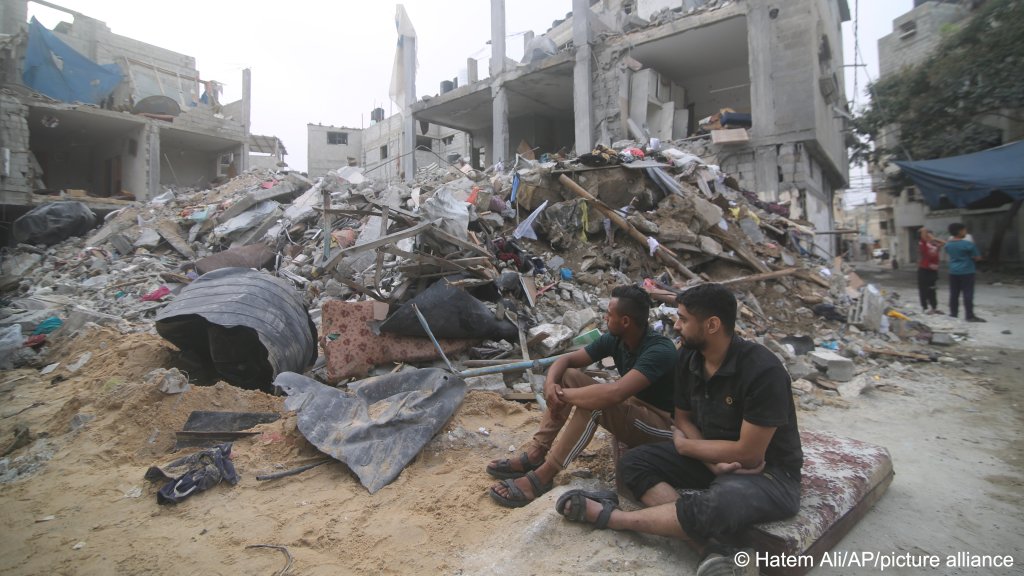
According to Emiliou's opinion, forcing people to return would then be incompatible with human dignity and would violate the EU Charter of Fundamental Rights. Under this approach, applicants would not be required to prove that they were personally particularly affected by this situation, for example, because -- as in this specific case -- their home was or is the target of rocket attacks.
Emiliou emphasized that refugee status should nevertheless not be granted unconditionally, but would require an individual assessment. However, under his interpretation, a Palestinian asylum seeker whose initial application has been rejected could invoke the lack of protection by UNRWA in a second procedure. The ruling would then likely take several months.
Also read: Gazans in Turkey: 'We cannot return to Gaza, where will we go?'
With AFP and KNA