
InfoMigrants collected the stories of migrants throughout 2023, documenting the major events in the places they travel through or settle. From the islands of the Aegean Sea to Lampedusa, from Mayotte to Turkey, and from the Canary Islands to Cyprus, here are some of the biggest stories of our coverage from the past year.
1 - Greek islands in the Aegean Sea
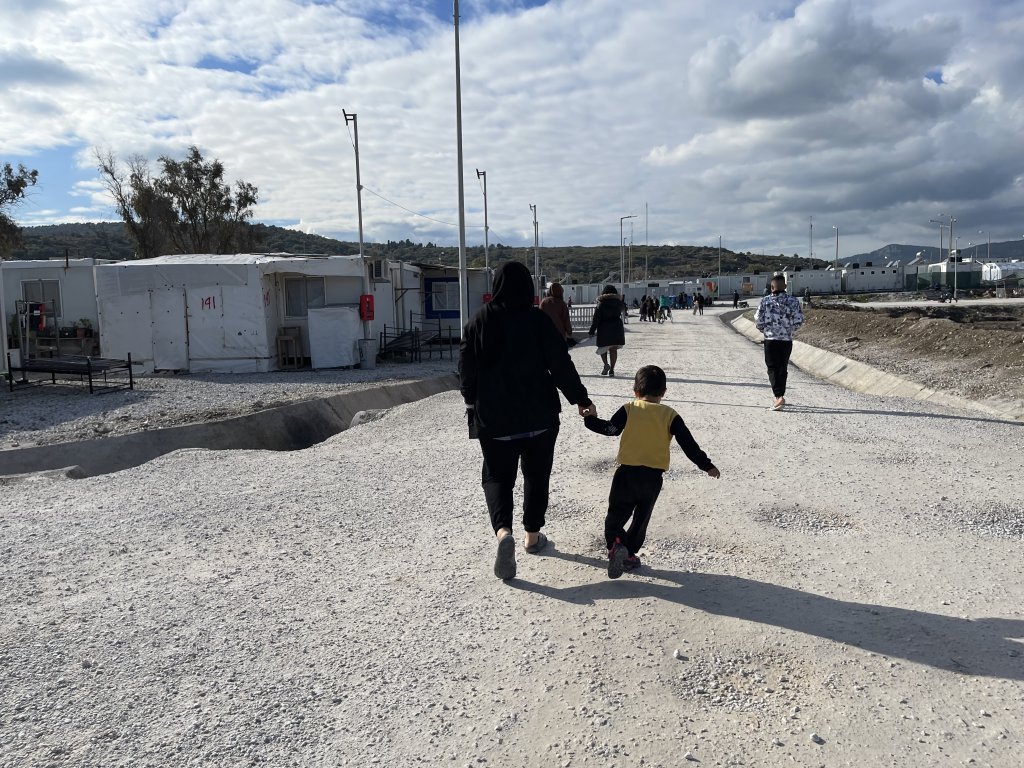
The Greek authorities in Lesbos are said to apply a strict border control policy for migrants, who often arrive on the island after dramatic crossings. They must reach the Mavrovouni camp as fast and discreetly as possible to avoid pushbacks.
Getting to safety is a sort of obstacle course for migrants, turning into a game of hide-and-seek with the police. Our InfoMigrants reporters met with several of the migrants who had crossed the Aegean Sea and arrived in Greece this way.
>> Fearing pushbacks, migrants seek a safe haven in Mavrovouni camp of Lesbos
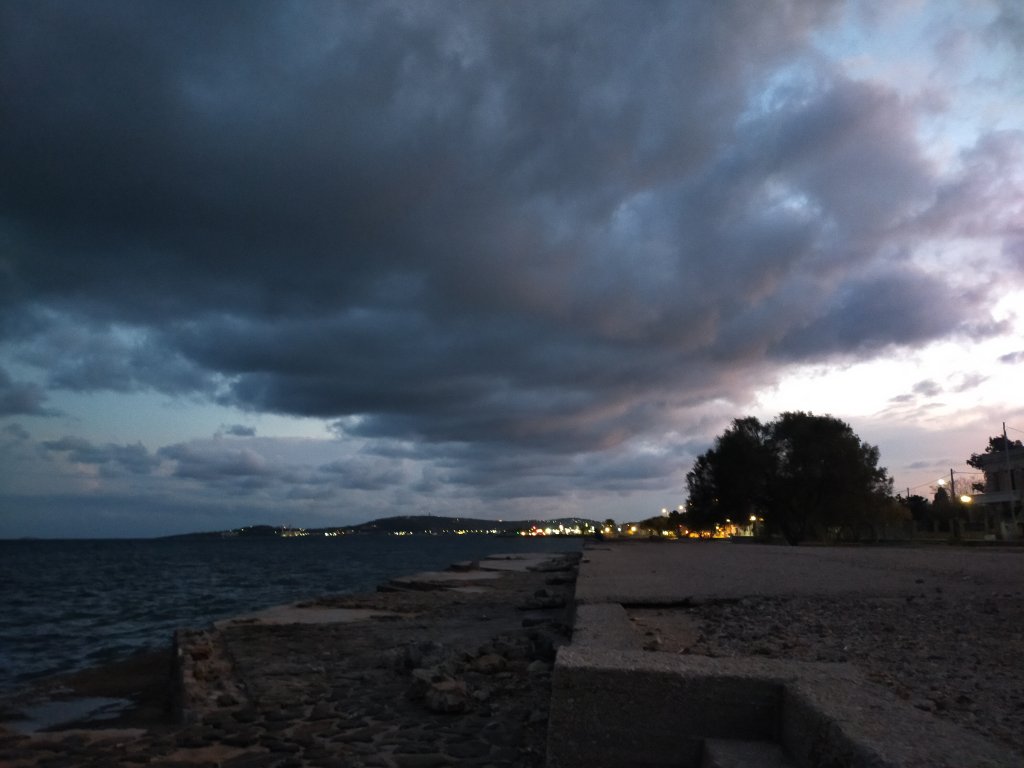
In a prison on the island of Chios located around 150 kilometers away from Lesbos, several migrants voiced their despair to one of our reporters. The Greek justice system considers them to be in cahoots with smugglers, which is why they have been detained. Several among them are facing up to 20 years in prison, and many say they do not understand the charges raised against them.
>> 'I had dreams and desires': Migrants prosecuted as smugglers languish in a Greek prison
2 - In Turkey, many Syrian refugees lose everything in earthquake
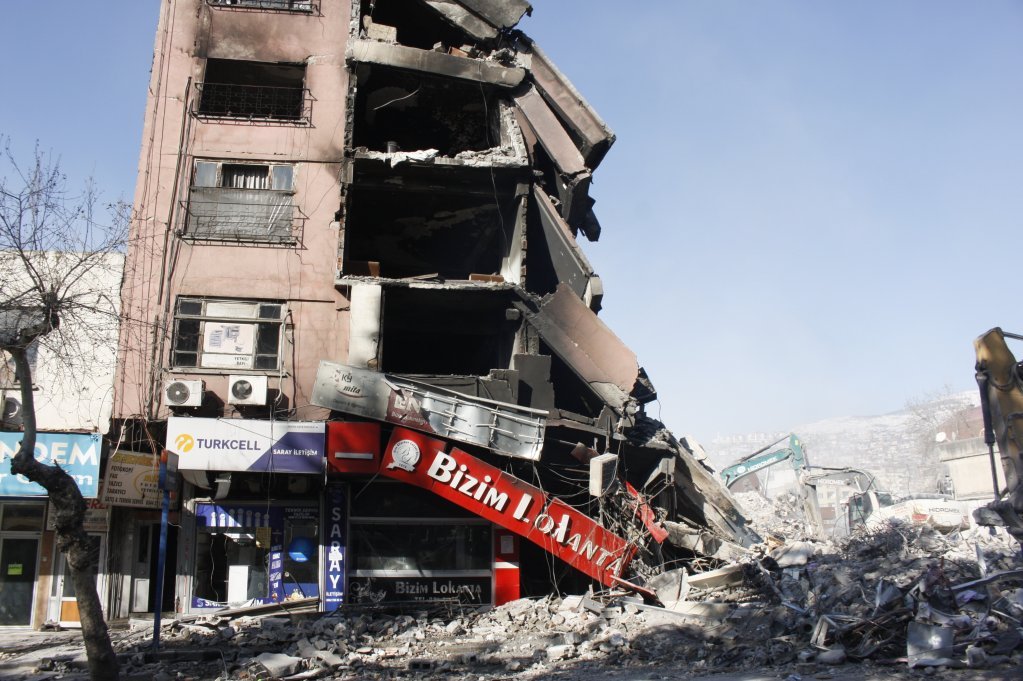
On February 6, 2023, a violent earthquake struck Syria and Turkey. The Turkish town of Kahramanmaras was left in ruins. Hundreds of families lost everything in the tragedy. Numerous Syrian refugees were also among them. They had settled in Turkey to flee their conflict-ravaged country.
Our reporters met a young Syrian woman named Saousane, who along with her husband lost everything in just a few seconds after spending ten years trying to integrate in Turkey.
>> 'If we die, at least we will be buried in Syria': Muhammad and his family opt to return home
Our reporters also traveled to the Bab al-Hawa crossing point at the Syrian border, located around fifty kilometers away from the Turkish city of Antakya, which also was devastated by the heavy tremors and aftershocks. This is where, following the earthquakes, the transfer of dead bodies took place, on both sides of the border.
>>Turkey-Syria border: Somber procession of refugees killed in earthquakes
3 - Operation Wuambushu in Mayotte
Mayotte, an overseas department of France located in the Indian Ocean, became the site of Operation "Wuambushu" (meaning "Take Back" in the local language). The official objective of the operation launched by the Ministry of the Interior in April 2023 was to fight illegal immigration and unsanitary housing in Mayotte.
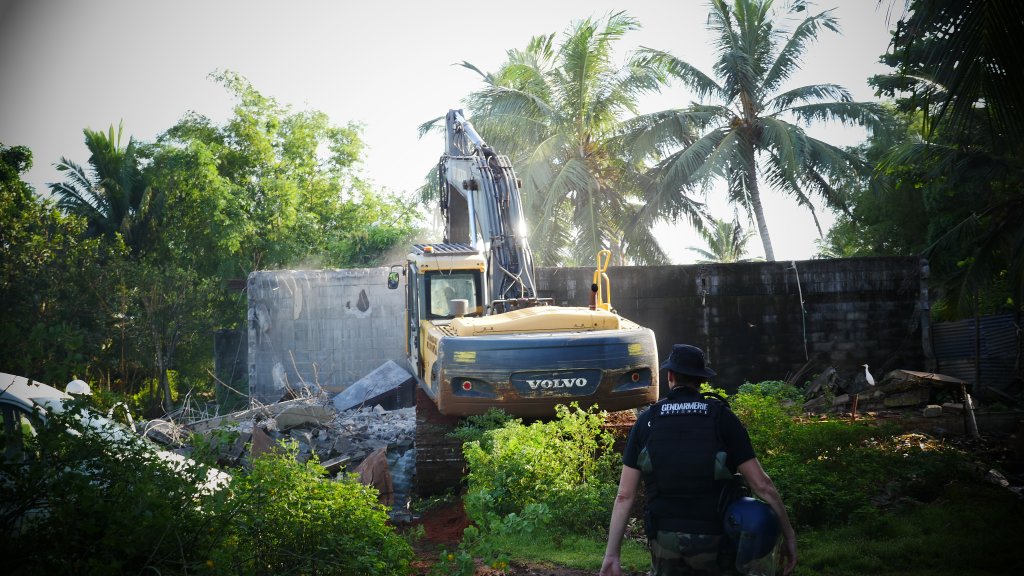
In the days leading up to the operation, 500 police officers arrived for reinforcement. After demolishing the migrant slum, police began patrolling the area. The migrants -- who in many cases had come from the neighboring Comoros -- were forced to hide in order to avoid being sent back to their country of origin during the operation.
>> In Mayotte, 'we live in fear of being deported'
The situation of unaccompanied minors in Mayotte was especially complicated: Many were on their own after the arrest and deportation of their parents to the neighboring Comoros. With no support from the French state and faced with overwhelming problems, the youth were found to often fall into delinquency and crime.
>> Mayotte continues operation to expel migrants
4 - Spanish Red Cross in Canaries fighting to identify missing migrants
The migratory route to the Canaries has become increasingly important, with 32,436 migrants arriving on the Spanish archipelago between January 1 and November 15 of 2023. in the course of the year, several hundred did not manage to survive the journey. While authorities have successfully identified some of the victims, others were never even located.
Our reporters met officials from the Red Cross in Tenerife, who are in charge of training teams to identify victims based on other evidence.
>>Canary Islands: How the Spanish Red Cross works to identify shipwreck victims
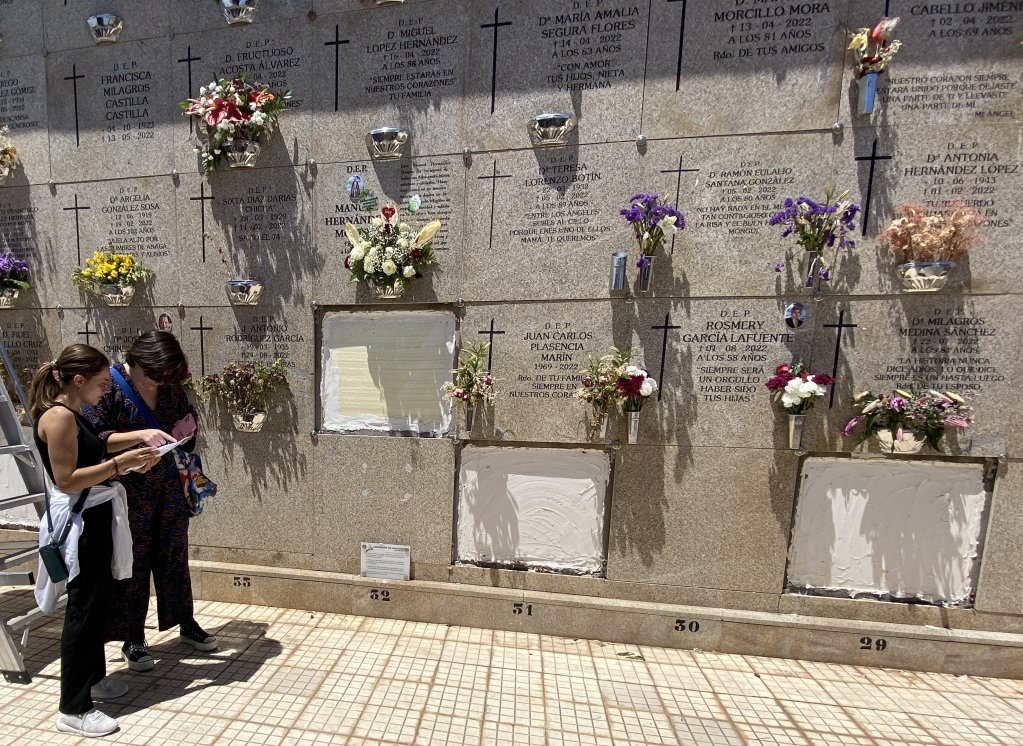
José Pablo Baraybar, forensic coordinator at the International Committee of the Red Cross (ICRC) explained that there's a lot more than closure at stake in identifying victims faithfully: "A person must be declared dead so their spouse can remarry, or so the family can sell the house. So that life can continued."
5 - Lampedusa overwhelmed with a sudden migrant influx
Nearly 7,000 migrants arrived in mid-September on the Italian island of Lampedusa, which is located about 150 kilometers away from the Tunisian coast. The tension on the island was palpable: due to overpopulation, the local facility designed to accommodate only 400 migrant, was bursting at its seems with ten times that population.
Small numbers of migrants were later transferred to continental Italy, with women and children being prioritized. This created further frustration among single, young men -- the largest demographic among arrivals. InfoMigrants reported on the events from the ground.
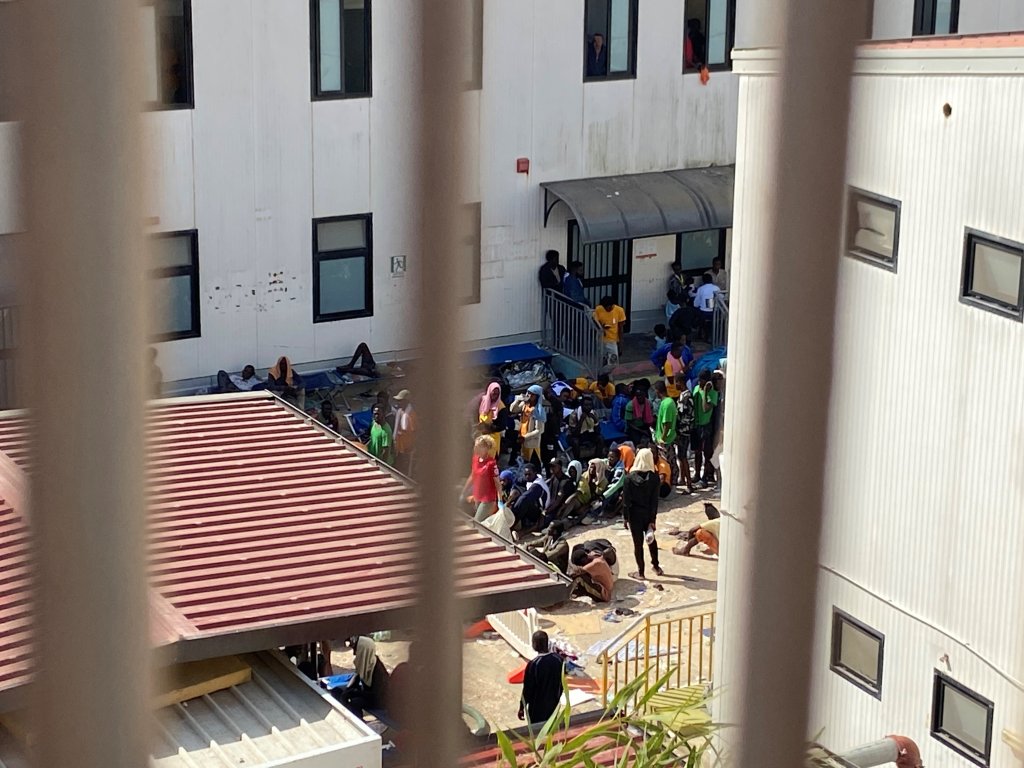
One of our reporters met Banfa, a 27-year-old Guinean national. He arrived in Lampedusa on September 12 after spending two days and one night on an iron boat which had left from the Tunisian city of Sfax. Food and water were rationed during the difficult crossing to avoid overloading of the boat. Many others like Banfa never made the journey and drowned at sea.
6 - Cyprus hit by anti-foreigner protests
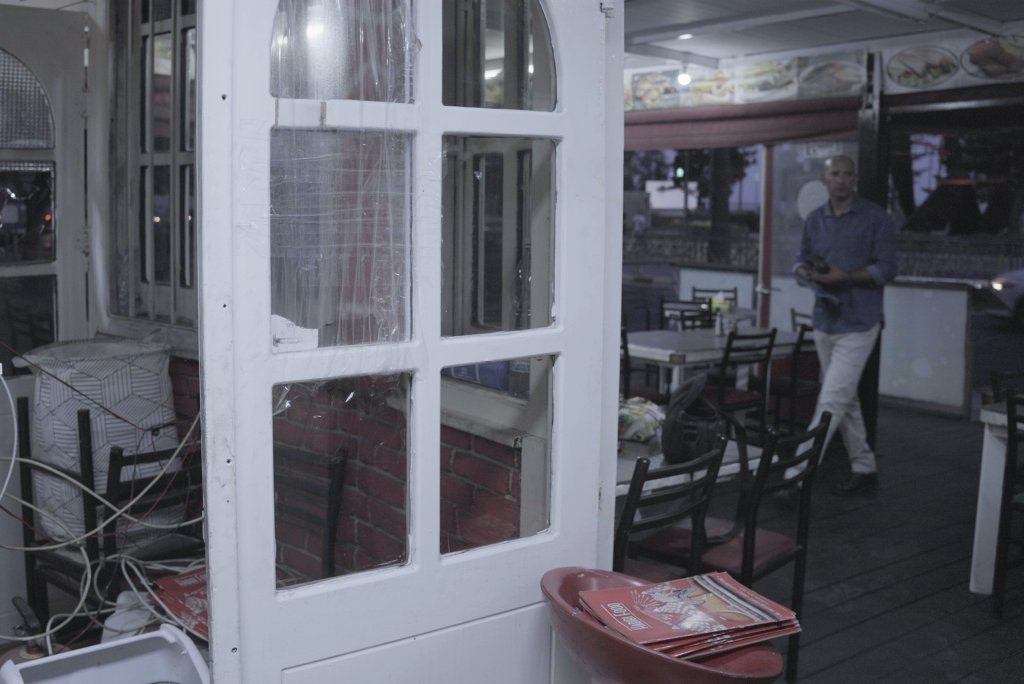
Violent anti-foreigner demonstrations took place in Limassol, Southern Cyprus on September 2. Many immigrant-owned businesses suffered damage during these protests. This came after the EU member state for the past two years was the European country with the highest concentration of asylum applicants per capita.
After the initial shock of the protests, the migrant business owners whose shops had been targeted by the protests called for a return to peace on the island. In interviews with our reporters, they expressed that they wanted to live in harmony.
Cyprus: 'We don't want to cause problems,' say migrant business owners targeted by racist violence
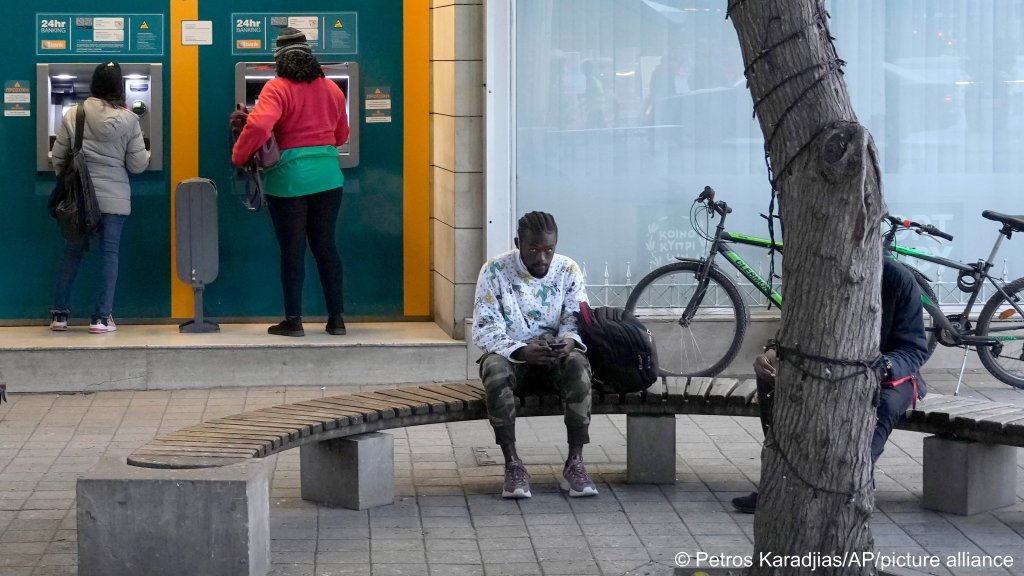
InfoMigrants also spoke with several sub-Saharan migrants in Cyprus. They say their daily life is difficult, with many saying they suffer discrimination because of the color of their skin. One Cameroonian asylum seeker in Cyprus named Achylle told InfoMigrants that in his despair, he has tried to end his own life several times.
>> Achylle's tale: 'I have tried to kill myself three times'
7 - At the Franco-Italian border, migrants face constant pushbacks
French authorities have increased police presence at the Franco-Italian border in the region between Menton and Ventimiglia. This comes in response to the rise in arrivals of migrants from Lampedusa in Italy.
Now, around 100 people receive entry refusals issued by French authorities on trains or on the road each day, which means they then have to return to the other side of the border, as this is the first EU country where they set foot. InfoMigrants reported on the intensification of these confrontations earlier in 2023.
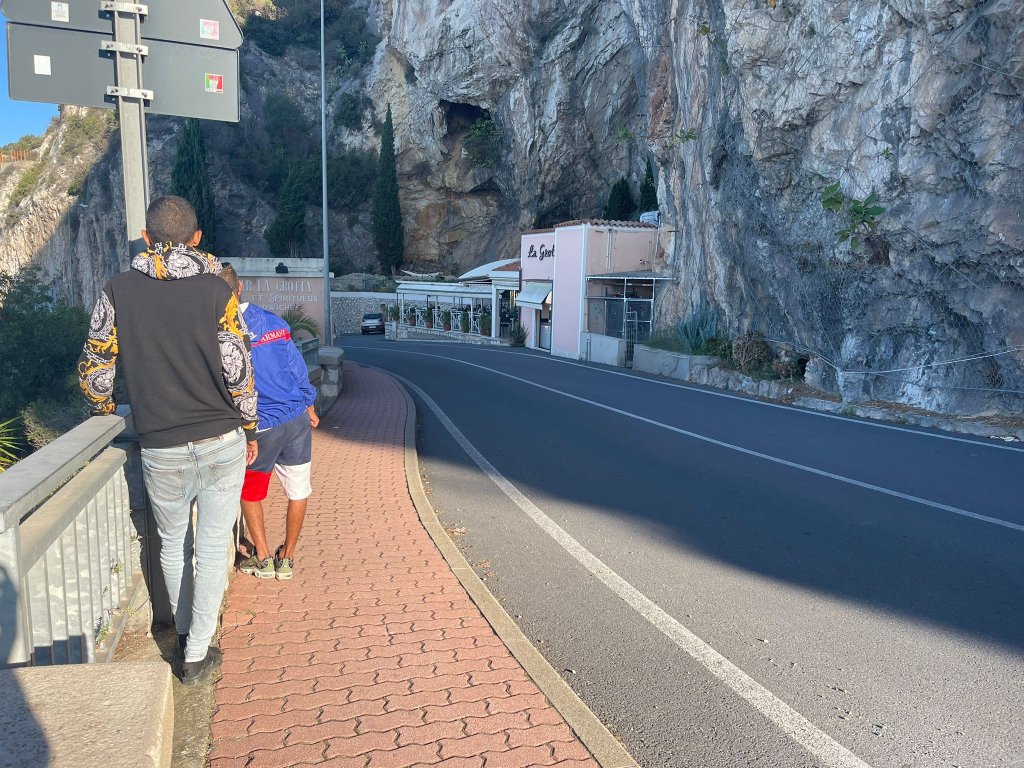
Our journalists also covered Edwige’s story; the 33-year-old Ivorian national was arrested at the Franco-Italian border, as police stormed the train he was on. "As soon as they got on the train, the police told us to get out [...]. I was in the bathroom at that time. They came in, they pulled me out. That's when I realized they had taken all the black people off the train."
8 - Rescuing migrants on the Geo Barents
More than 2,000 migrants, including 79 children, have died since the beginning of the year on the Central Mediterranean route, according to the International Organization for Migration (IOM).
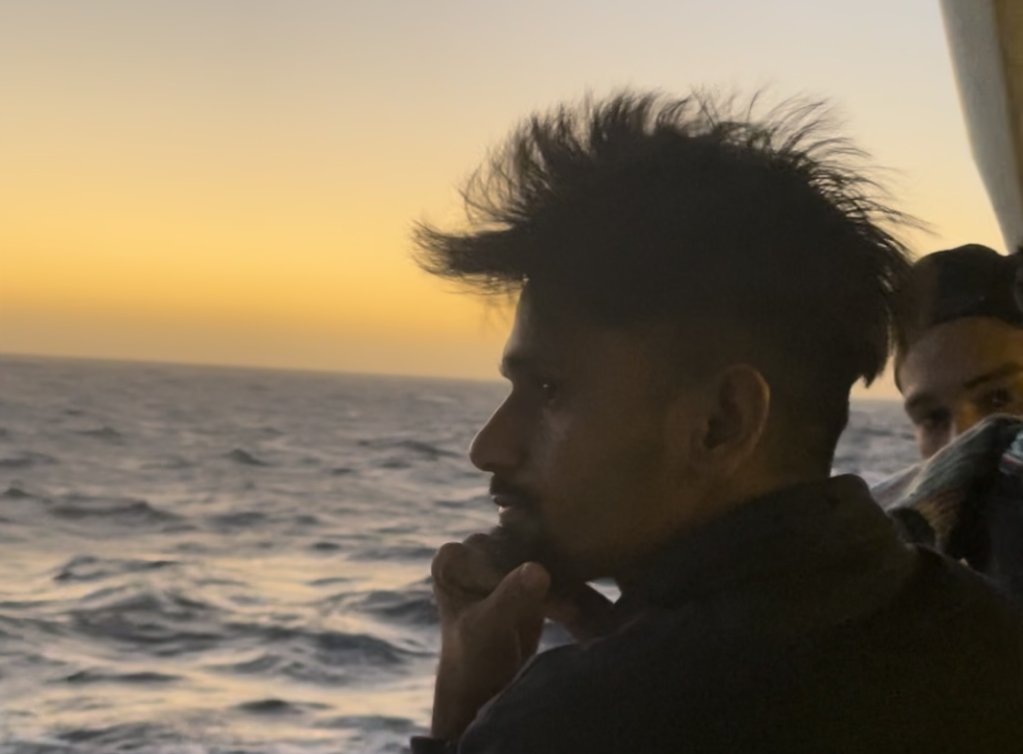
The Geo Barents, a humanitarian ship run by Doctors Without Borders (MSF), is trying to prevent these deaths in the Mediterranean, seeking out migrant vessels in distress. InfoMigrants spent a week on board with the Geo Barents crew, meeting 39 migrants who were rescued off the coast of Libya. Abdulla, a migrant from Bangladesh, spoke to one of our reporters about his journey.
For a year, NGOs present in the area have been forced to implement Italy's Piantedosi decree, which significantly limits the activities of rescue boats. MSF teams say the law severely hinders them from saving as many lives as they could.