
The trial has begun of five German police officers charged over the shooting of a 16-year-old Senegalese asylum seeker in 2022. Prosecutors say police used disproportionate force, causing Mouhamed Dramé's death.
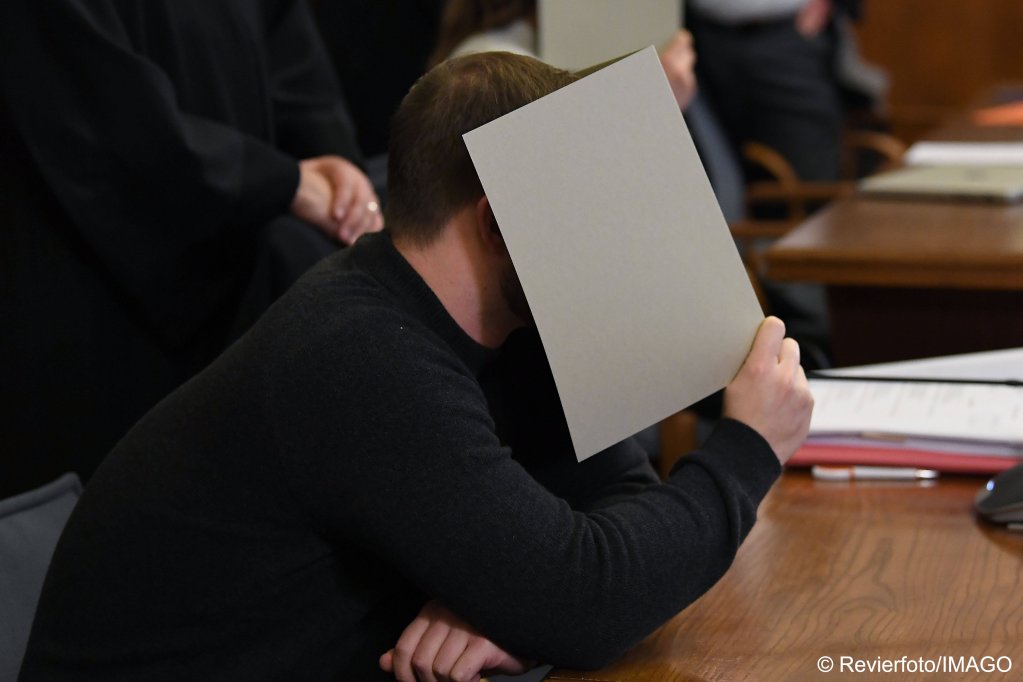
The courtroom was full on Tuesday (December 19) as the defendants appeared in court to hear the charges against them being read out. All five hid their faces with folders against the barrage of press cameras.
The family, friends and loved ones of Mouhamed Dramé had waited more than a year for this moment. On August 8, 2022, the teenager was shot at five times by a police officer with a submachine gun, though he presented no threat to the officer nor anyone else. Five of the six bullets hit the 16-year-old, who died a short time later in hospital.
Also read: German police officers charged over refugee teenager death
The 30-year-old officer who shot Dramé has been charged with manslaughter. Three other officers have been charged with causing grievous bodily harm while a fifth who was heading the police operation is charged with incitement.
A step towards getting answers
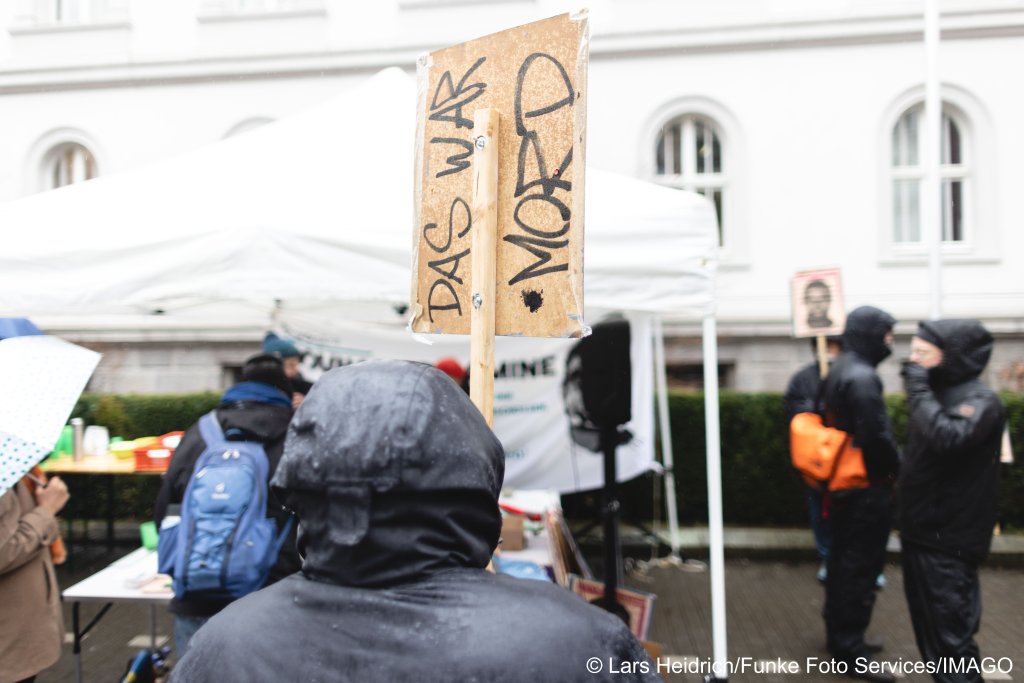
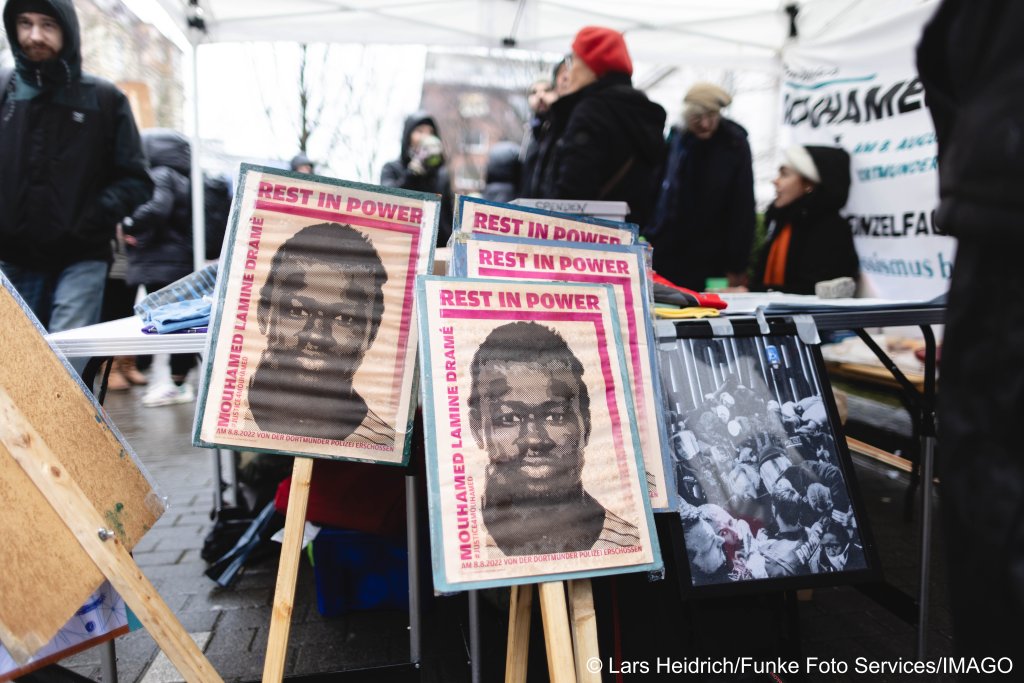
Outside the court on Tuesday, a small group of demonstrators gathered in the rain. Some held up photos of the teenager and signs saying 'Rest in Power Mouhamed Lamine Dramé'. "They want answers to the question of why they had to lose Mouhamed in such a traumatic way. The case is a first step towards getting these answers," William Dountio from the Justice4Mouhamed solidarity group told the German news agency dpa.
The police had been called to the youth facility where Dramé was staying because he had been wielding a knife with suicidal intent. When the officers arrived, he was leaning against a wall in the courtyard, pointing a knife at his stomach.
After Dramé failed to respond when spoken to, one of the officers – acting on orders from her superior – pepper sprayed him. She gave the teenager no warning, aiming the spray can at him for six seconds until the liquid irritant was running down his face. When he stood upright and turned towards the officers, the knife still in his hand, he was tasered and, less than a second later, fired at with the submachine gun. He was hit in the leg, stomach, shoulder, face and arm.
According to the chief prosecutor, Carsten Dombert, at no point was Dramé asked to put down the knife. The prosecution also argued that there was no justification for the use of pepper spray, tasers and submachine guns.
Also read: Germany: Minister criticizes police after deadly shooting of Senegalese minor
Police strategy questioned
The main defendant’s lawyer, Christoph Krekeler, briefly addressed the court, saying his client and the client’s family were "very burdened" by the trial. In response Lisa Grüter, a lawyer for Mouhamed Dramé’s family, told German broadcaster WDR: "I find it difficult to talk in the first instance about the burden on the defendant and his family when we are talking about the killing of a young man who has lost his life."
The shooting of Dramé, which followed a number of other fatal incidents involving police, gave rise to debates about the proportionality of resources provided to police and about racism in the force.
Krekeler this week denied that his client’s actions had been influenced by the color of Dramé’s skin. But elder brother Sidy Dramé, visiting the site of Mouhamed’s death in Dortmund last month, was not satisfied. "We in Africa see it as racism by the German police officers. What they did is unacceptable," he told German’s national nightly news program Tageschau.
Villagers in Ndiaffate, where Mouhamed Dramé was from in Senegal, are still grieving the 16-year-old’s death, said Sidy Dramé. A day before he was shot, the brothers had talked on the phone. "Mouhamed was doing well here. We had the impression from the phone calls and video calls that he was going really well here in Dortmund," Sidy said. He added that his brother had also reported sometimes being lonely and sad and missing his family in Senegal.
Lawyer and criminologist Thomas Feltes, acting for Mouhamed Dramé’s family, said he hopes the trial will send a message that politicians and the police should rethink their strategy for dealing with people in exceptional situations, he told dpa.
Speaking on the sidelines of the trial, Feltes said he is aware that the police face thousands of such situations and usually resolve them well. "But there are always escalating situations in which wrong decisions are made," he said.
So far, ten more days of hearings have been scheduled until April. The trial will resume on January 10, 2024.
With dpa
Also read: Fatal shooting of teenager raises concerns over police brutality in Germany