
In 2023, tens of millions of people were forced to flee their homes. Most stayed within their own countries or regions, but many also took long and dangerous journeys to Europe, resulting in thousands of tragic deaths.
2023 was also marked by "increasingly extreme policies, actions and attitudes to […] migration around the world," according to the Mixed Migration Centre. At the external land borders of the European Union, from Finland to Greece, barriers were built or extended to prevent migrants from entering the bloc.
Some of the most striking images of migrants in 2023 also show humanity and joy. Here is a look back at some of the moments captured by photographers this year.
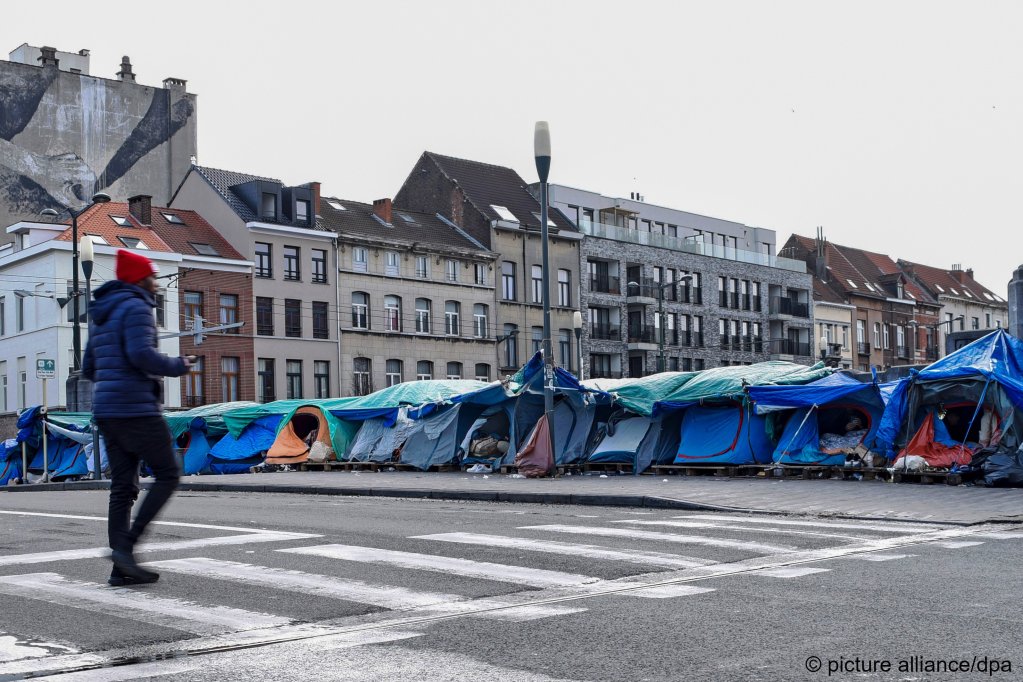
Sleeping on the streets in Europe's capital
In Belgium and the Netherlands asylum seekers had to sleep in tents on the city streets because of severe accommodation shortages. In Brussels, hundreds of people pitched tents along the main canal, some lighting fires on the sidewalk in an attempt to keep out the cold.
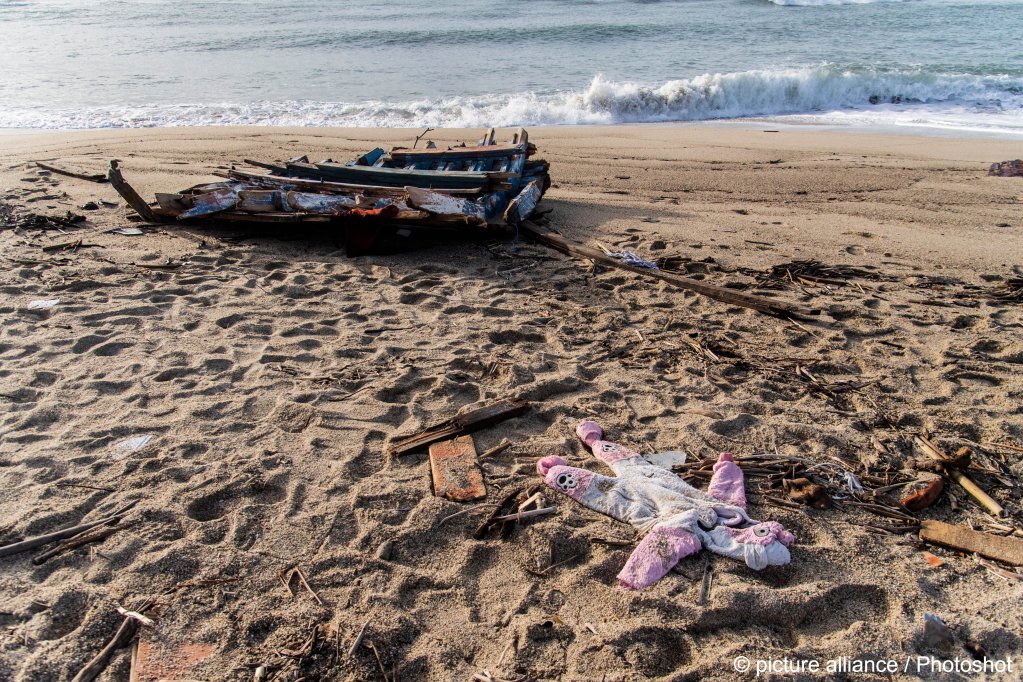
Calabria shipwreck
A boat carrying migrants sank while trying to land on the Calabrian coast on February 26. As many as 200 people – almost all from Afghanistan – were thought to have been on the boat, which had set out from Turkey. There were only 81 survivors.
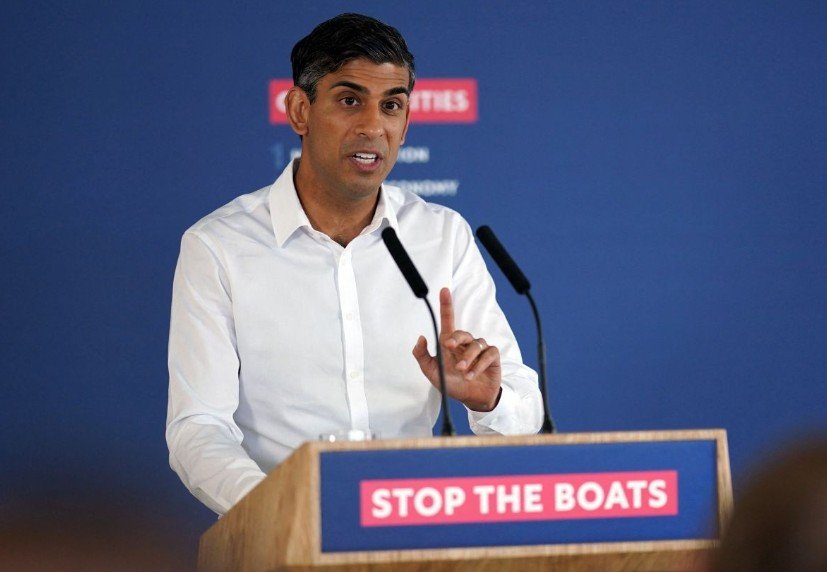
Stop the boats
British Prime Minister Rishi Sunak gave a press conference following the launch of the Illegal Migration Bill on March 7, in which he said his government's 'Stop the Boats' message would deter asylum seekers from crossing the Channel to the UK. "People must know that if they come here illegally, it will result in their detention and swift removal. Once this happens, and they know it will happen, they will not come, and the boats will stop," he said.

Chess prodigy
Hussain Besou, an 11-year-old Syrian refugee, became the youngest player ever to represent Germany on its national chess team. Hussain had already shown extraordinary talent at the game before his family arrived in Germany as refugees in 2016. His father told Reuters that the first thing he did after settling in Lippstadt was buy his son a chess set. The rest is history.
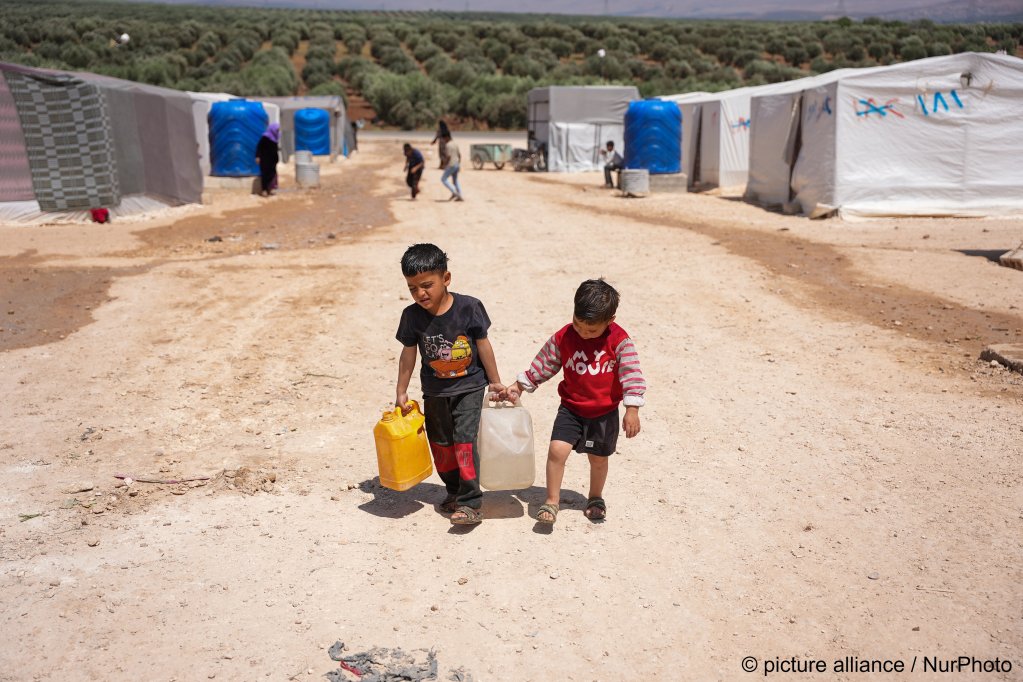
Earthquakes in Syria and Turkey – 100 days on
Three months after massive earthquakes struck southern and central Turkey and northern and western Syria, millions of children in Syria were still facing desperate conditions and needed humanitarian aid, according to UNICEF. The quakes killed more than 59,000 people, including nearly 6,000 in Syria. The disaster led many Syrian survivors who had been settled in Turkey to return to their homeland.
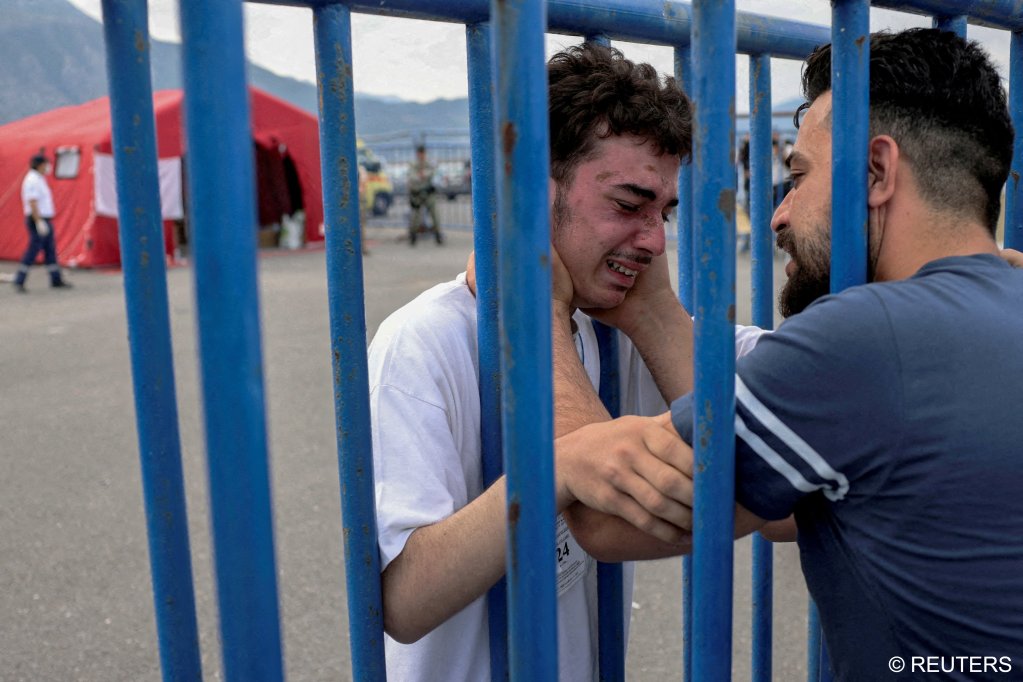
Pylos tragedy
On June 14, between 400 and 750 people lost their lives in the worst shipwreck in the Mediterranean in several years. 104 people were rescued from the fishing trawler that capsized in deep water off Pylos, Greece. The boat had been in distress since the morning of June 13, but a search-and-rescue operation was not launched until the following morning, after the boat had overturned.
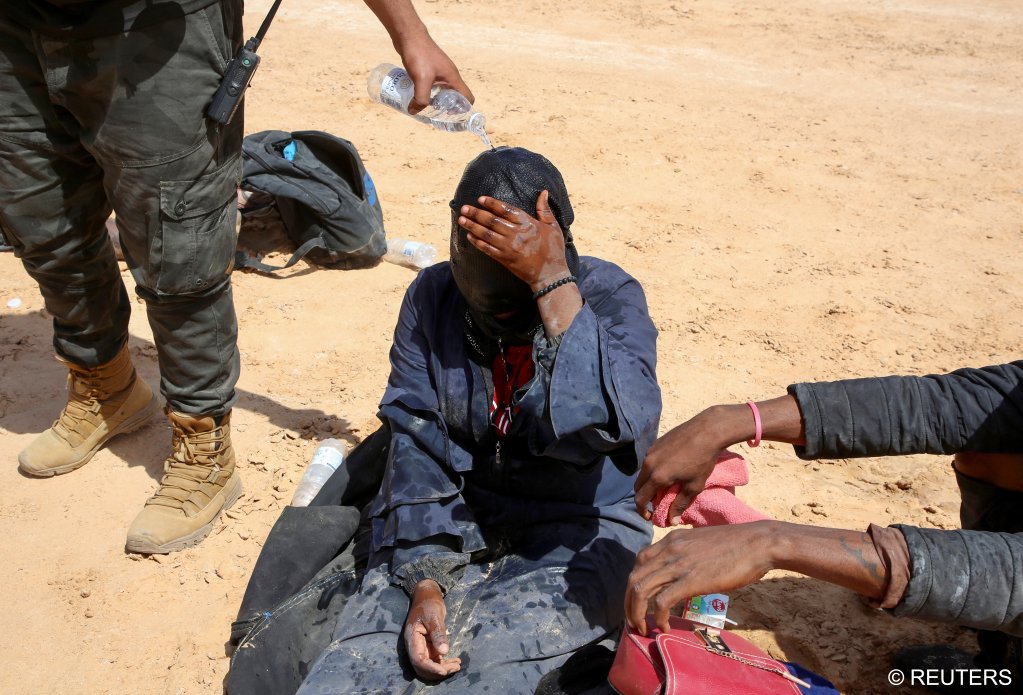
Pushed back in the desert
More than 4,000 migrants were taken by Tunisian authorities to military zones at the borders with Libya and Algeria. As a result many, including pregnant women and children, were stuck in the desert in extreme heat. Without access to shelter, food or water, some died of dehydration. In the same month, EU leaders signed a deal with Tunisia, promising 100 million euros in aid in exchange for a government pledge to crack down on migrant smugglers and prevent departures from Tunisia's coast.
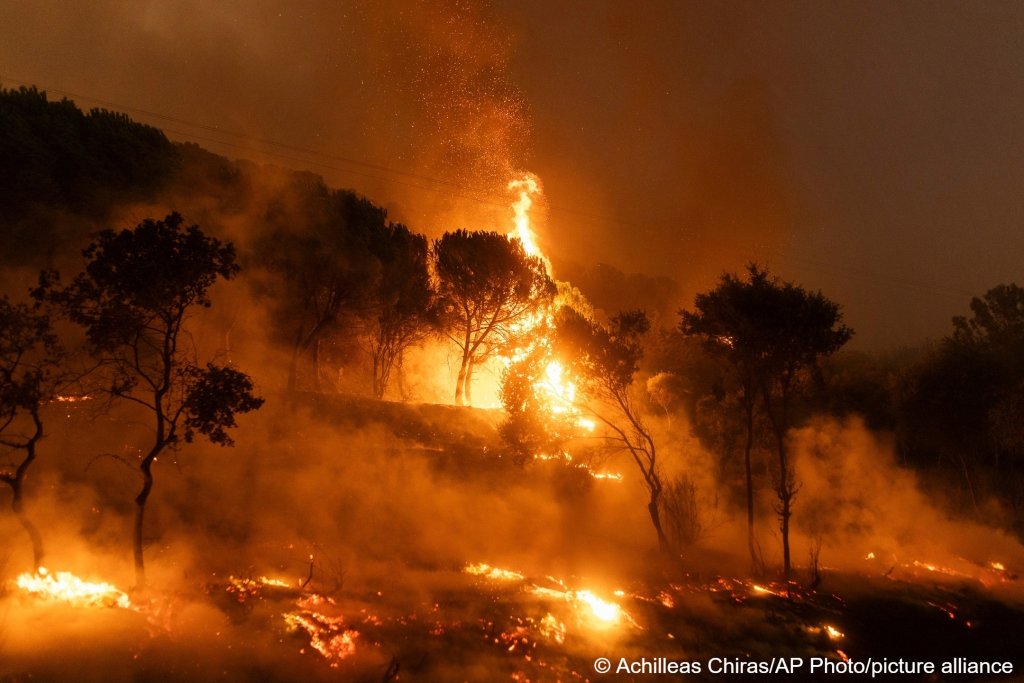
Greek wildfires
On August 22, as wildfires spread across Greece, the burned bodies of 18 people were discovered in the Dadia forest in the northeastern Evros region. All were thought to be migrants who had recently crossed the border from Turkey and were hiding in order to avoid detection by Greek authorities. The wildfires prompted an increase in anti-migrant rhetoric and violence, as migrants were accused – without proof of evidence – of having started the fires.
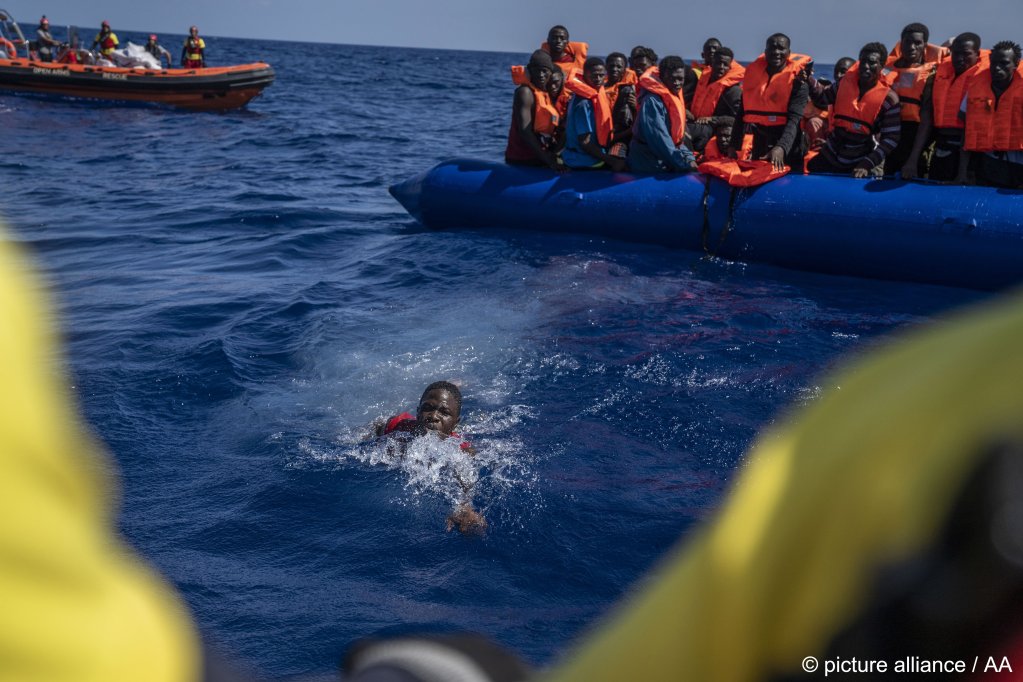
Rescues at sea
During 2023, NGOs continued to carry out missions aimed at rescuing migrants in distress in the Mediterranean Sea, despite an Italian law decree passed earlier in the year imposing restrictions on civilian rescue operators. In September, after the Spanish NGO Open Arms rescued 178 people, its ship was directed to the Italian port of Genoa, 700 miles from the rescue zone.
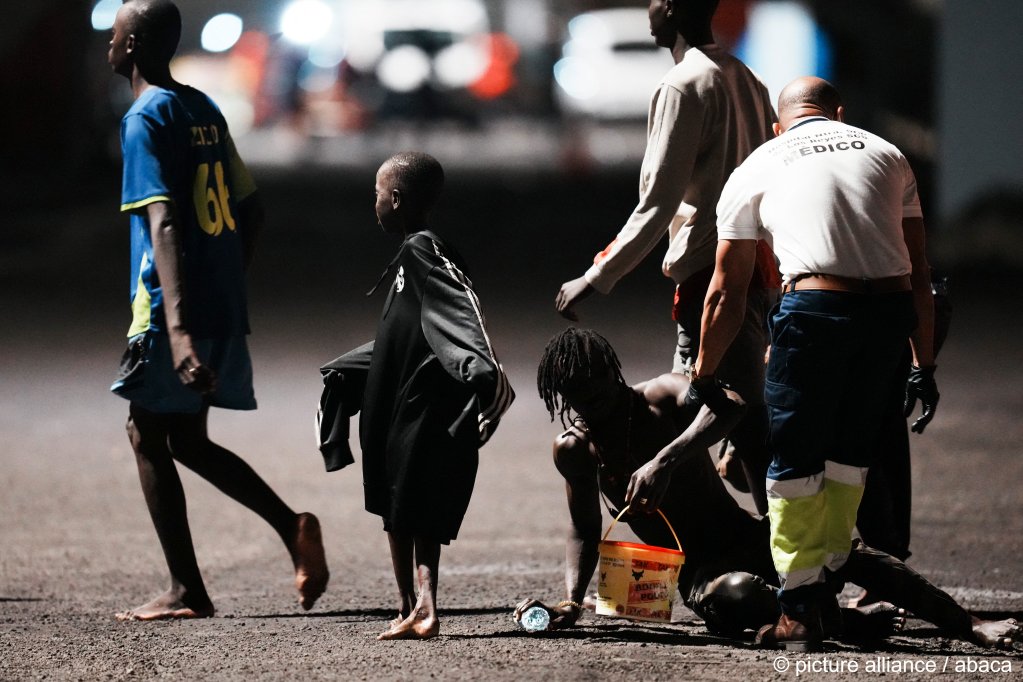
Long journeys to the Canary Islands
More people than ever before tried to escape economic instability and poverty in the Sahel region of Africa, traveling to the Canary Islands from the coasts of Senegal, Mauritania, Morocco and Gambia. In October, large numbers of migrants arrived on the smallest and westernmost of the Canary islands, El Hierro. The Spanish government sent money, personnel and equipment to African countries to try to prevent departures. It also spent €50 million in aid to the islands as they struggled to provide adequate care for the migrants who had spent days or weeks at sea.
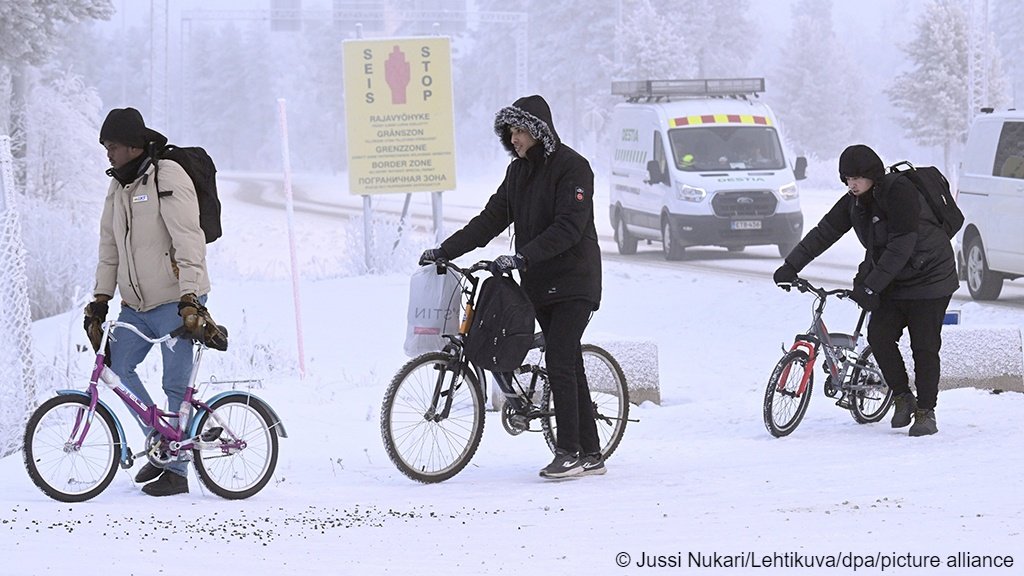
Finland closes its eastern border
Finland closed its 1,340-kilometer border with Russia after migrants without visas or valid documents continued to attempt to cross into the EU country. According to Finnish authorities, more than 900 people from countries including Afghanistan, Iraq, Pakistan, Somalia and Syria arrived at the border in November. Finland accused Russia of deliberately funnelling the migrants to the border zone in retaliation for Finland’s entry into NATO.