
Ireland’s Integration Minister recently confirmed that Ireland has run out of accommodation for new asylum seekers arriving in Ireland. It has been giving out tents and sleeping bags to asylum seekers forced to sleep rough.
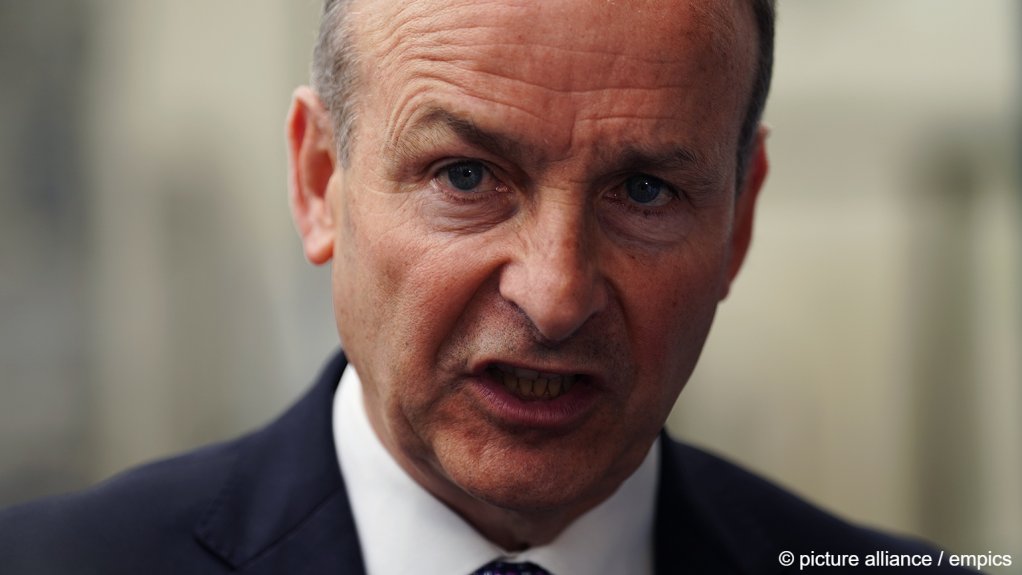
On Monday (December 4) Ireland’s deputy Prime Minister Miceál Martin told reporters that the government was "very, very concerned about [the health and safety of those outside in the cold, and also about the fact that some sleeping on the streets have died in cold weather.]"
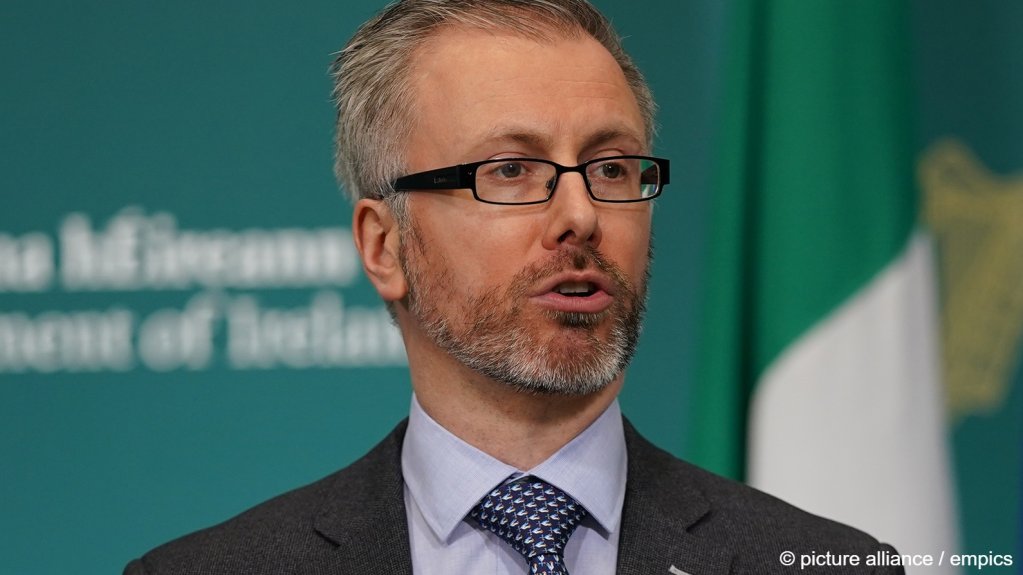
Integration Minister Roderick O’Gorman has echoed these sentiments, adding that they were doing "everything we can to avoid that."
Martin promised that meetings were due to be held before the end of the week and that options would be discussed about how to avoid anyone dying of cold and exposure because of a lack of accommodation. However, Martin told the Irish Mirror that he didn’t "have any precise timelines."
A government spokesperson told the Irish Mirror that the country was currently accommodating more than 100,000 people, including about 70,000 of those who have fled Ukraine and about 26,000 asylum seekers from other countries.
Also read: Ireland, makeshift camps spring up amid protests
'Severe shortage'
"Despite intensive efforts to source emergency accommodation, the Department is currently not in a position to provide accommodation to all international protection applicants due to the severe shortage," said the spokesperson.
According to that paper, almost half of all new asylum applications come from people from Georgia, Algeria and Somalia.
Also read: How Ireland's housing crisis affects refugees and migrants
The Department of Integration’s spokesperson said that despite efforts to source new accommodation, matters outside the department’s control "have resulted in offers not being progressed, and accommodation not contracted swiftly enough to meet the demand."
According to the BBC, since January 2022, Ireland has created 10,000 additional bed spaces, but that is still not enough to meet this year’s new arrivals.
'Drop-in services' offered
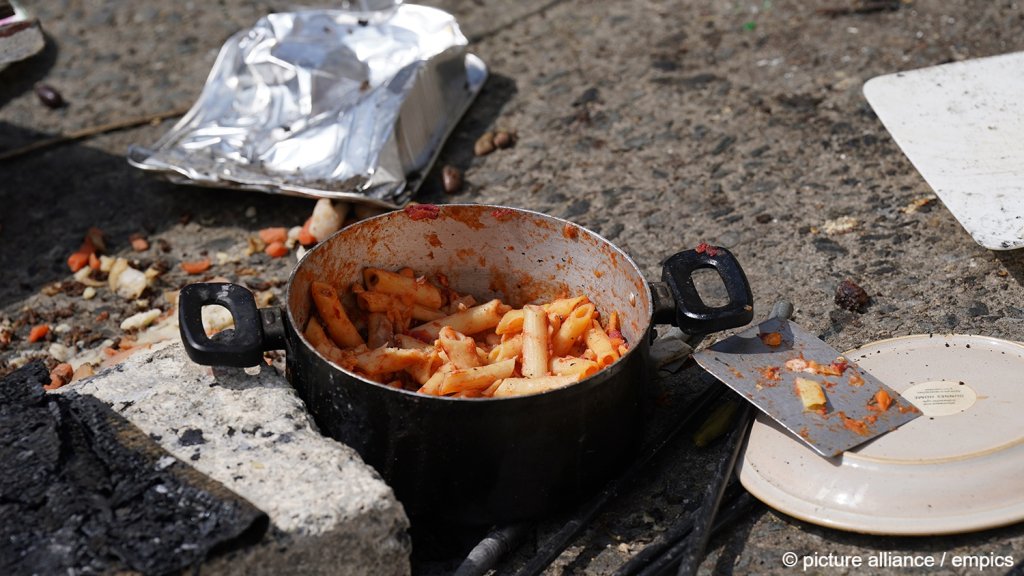
Instead, the government is offering "drop-in day services" for asylum seekers. In the centers, the spokesperson promised there would be "hot showers, meals, and laundry services seven days a week."
The government is also giving out tents and sleeping bags "where required." The government is working hand in hand with two charities to provide these services to rough-sleeping asylum seekers in the capital Dublin "in the event that they are needed," reported the Irish Mirror.
Also read: Protests and new policy proposals place focus on migration in Ireland
Health services will be provided to "all those in need" promised the government, and anyone with significant vulnerabilities and health issues would be prioritized for accommodation as necessary.
On Sunday, O’Gorman had already promised that families forced to sleep rough would be brought into accommodation as soon as possible.
Rises in cost of living have exacerbated the problem
Problems with accommodation in Ireland are not a particularly new phenomenon. For most of this year, various organizations and charities, as well as the government have been warning of issues and trying to find solutions. In the spring of 2023, warnings emerged regarding the termination of contracts with hotels used for accommodating asylum seekers as the summer tourist season approached.
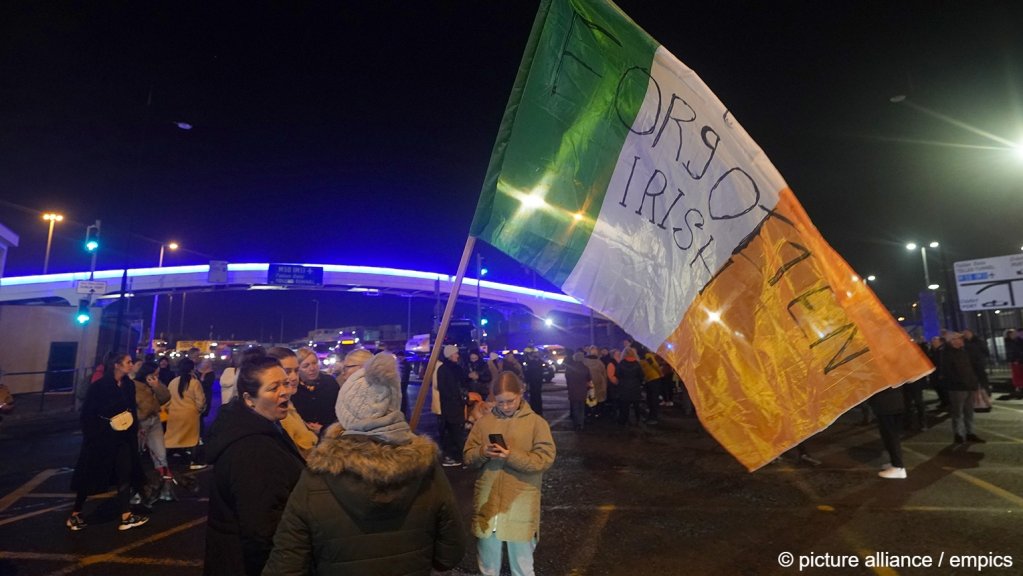
The Irish Refugee Council warned of more problems in June. The rising cost of living has made finding and paying for accommodation in Ireland difficult for everyone who lives there. There have been numerous demonstrations throughout the year on this theme, both for those concerned about asylum seekers being left out on the streets, and also from Irish citizens who feel they are being forgotten as accommodation becomes even tighter.
This has caused resentment between the two populations and has led in some cases to demonstrations, violence and attacks towards migrants, asylum seekers and refugees who are seen by some as taking limited resources away from poorer Irish residents.
Also read: Irish rural town at the center of a conflict over refugees
Enda O’Niell, the head of the UN Refugee Agency (UNHCR)’s office in Ireland, told the Irish public broadcaster RTÉ’s News At One that he found the news of the shortages in winter "extremely concerning" and "disheartening," reported the BBC.
'I do not think it is safe for anybody to be on the streets'
"This is not the first time this has happened between January and June this year. Over 1,500 asylum seekers were not initially offered accommodation when they arrived in the state," O’Neill explained. "I do not think it is safe for anybody to be on the streets particularly, in light of the events last Thursday, the situation has only deteriorated since early this year in terms of some of the intimidation and threatening behavior that we have seen on our streets."
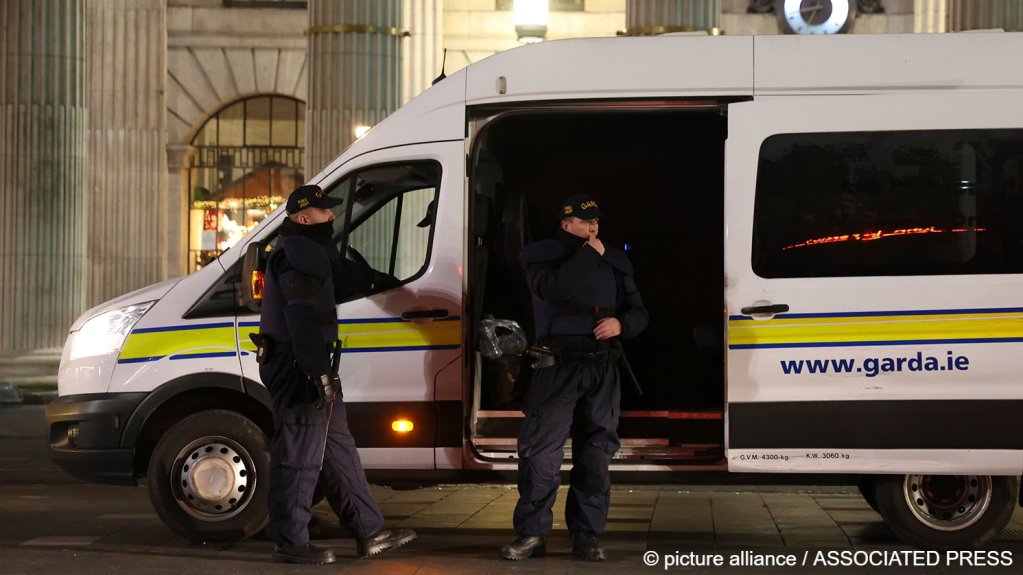
Towards the end of November, riots broke out in the Irish capital Dublin, which news reports said highlighted "growing social tensions in Ireland." Political leaders blamed far-right agitators for stoking unrest in the light of increasing numbers of immigrants arriving in Ireland in recent years.
The riots initially erupted after reports of a stabbing attack which injured three children. Posts on social media initially attributed to the attack being carried out by an “illegal immigrant” or “foreigner”. The BBC later reported however, that the suspect who was caught by police was a legal Irish resident.
Also read: Seeking asylum in the Republic of Ireland
Net migration to Ireland in the year to April 2023 was recorded at 77,600. The figures, reported AFP, are almost four times higher than the same period in 2021, according to government statistics. Ireland has just over five million residents, so this amount of new arrivals has been described as "unprecedented."
'Ireland is full'
Many of those taking part in anti-immigrant demonstrations have held up banners proclaiming "Ireland is full."
Violence already erupted against a makeshift tent camp in Dublin earlier this year. Problems finding enough accommodation led to many migrants and asylum seekers sleeping on the streets, until some of the tents were burnt down and their occupants attacked.
However, many academics and researchers are at pains to point out that the majority of Ireland’s residents welcome immigrants. Anne Holohan, an associate professor at Trinity College Dublin, told AFP that the vast majority see immigrants for the "benefits they are bringing to the Irish economy and society."
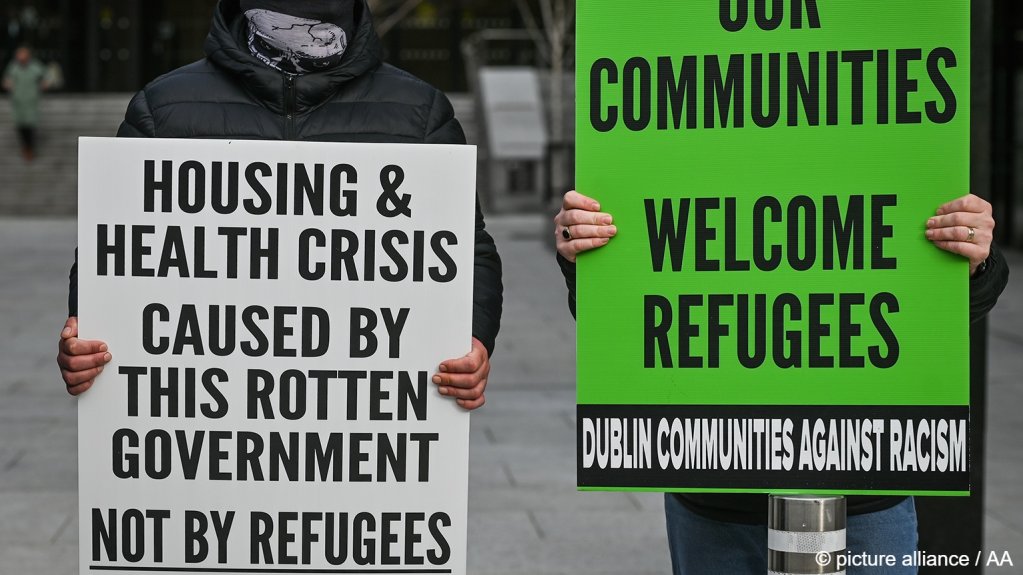
Ireland’s Institute for Strategic Dialogue released new research at the end of November, in which it detailed a growing "far-right influence" in Ireland, responsible for "incitement, falsehoods and hatred targeting migrant communities." Many of these groups use social media to spread their message and organize their demonstrations and actions.
Aiofe Gallagher from the Institute told AFP that the reaction to false reporting of the stabbing attacks in Dublin was partly the fault of the police to really "take the threat of the far right seriously," as well as the government’s failure "to deal with the housing emergency facing this country."
She said these two things had combined to create "the perfect environment to spread an 'us versus them' kind of sentiment against migrants."
With AFP