
The European Commission is proposing new laws to combat migrant smuggling, seeking to update its current 20-year-old legislative framework.
The EU's executive arm wants to revise its decades-old legislation against human trafficking, according to statements made Tuesday (November 28) in Brussels.
The bloc is seeking to crack down on criminal networks that profit from the trafficking of migrants with higher penalties and wider legal jurisdiction for smuggling-related crimes.
For serious crimes resulting in death, the maximum sentence would be increased from the current eight years to 15 under the new proposals.
Legal prosecution by EU states would also become easier under the proposed laws -- for example, Member State jurisdiction would apply when boats sink in international waters and people die.
This jurisdiction of Member States would also be extended to other cases, including offenses committed aboard ships or aircrafts registered in the Member States and offenses committed by legal persons doing business in the EU.
"We are stepping up the fight against migrant smuggling and protecting people from falling into the hands of criminals," EU Home Affairs Commissioner Ylva Johansson said.
Also read: Court in Belgium sentences smugglers to years in prison
'Going after smugglers, not the smuggled'
The Commission says it's aiming to specifically target the criminal networks that facilitate migrant smuggling, according to the EU.
European Commission Vice President Margaritis Schinas said smuggling is "one of the most pressing and brutal challenges of our times", adding that the EU "must take steps to ensure this heinous crime is properly and uniformly criminalized".
Johansson emphasized that humanitarian aid provided by non-governmental organizations, search-and-rescue operations, family members of migrants and migrants themselves should not be pursued.
"We are going after the smugglers, not the smuggled," she said.
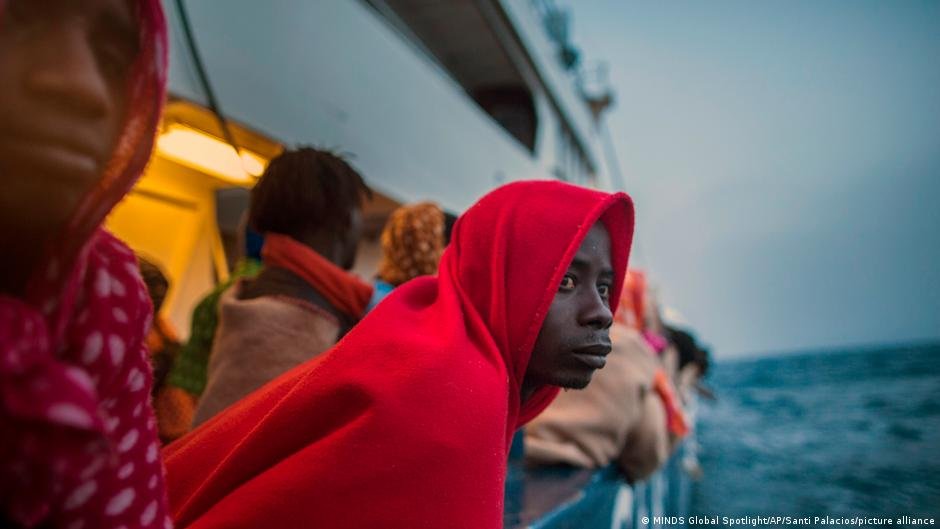
However, in practice this can prove difficult. A paper published by the Platform for International Cooperation on Undocumented Migrants (PICUM) outlines how counter-smuggling policies can harm, rather than protect, migrants’ safety and their rights.
PICUM points out that migrants are increasingly being wrongly accused of being 'smugglers', "risking long periods of arbitrary detention as well as exclusion from accessing asylum and other regularization procedures".
The paper also points out the role of anti-smuggling policies in making land and sea crossings more dangerous for migrants. This is in contrast to the current rhetoric of the Commission, which is primarily focusing on the responsibility of smugglers in relation to migrant deaths.
PICUM also warns that counter-smuggling policies are often used to create a hostile environment and deter solidarity with migrants and facilitate the criminalization of rescue workers or human rights activists. Between January 2021 and March 2022, at least 89 people were criminalized in the EU for helping migrants.
Also read: Germany rejects reports it wants to criminalize migrant sea rescuers
Strengthening of the role of Europol
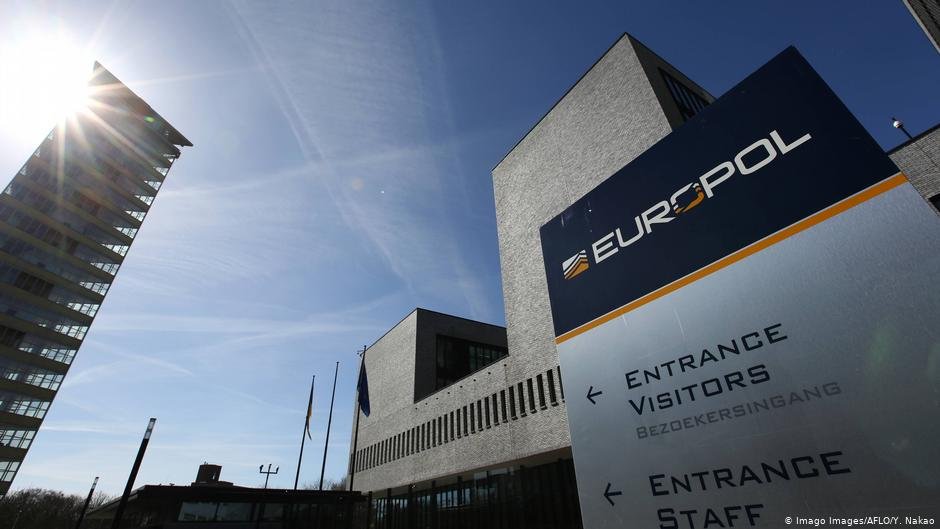
Under the Commission's new proposal, the role of the European police authority Europol is to be strengthened, for example with more staff and better data exchange.
Johansson said this legislation will allow Europol to be "a central part of the fight against the criminal act of migrant smuggling, in identifying trends, exchanging data and in deployment on the ground."
Schinas noted that the issue goes beyond the EU's borders and the bloc must "tackle the phenomenon of smuggling on a global level and work hand-in-hand with our partners to close down the space in which smugglers operate."
In response to the international nature of the issue, the Commission also launched a call to action for a Global Alliance to Counter Migrant Smuggling at an international conference hosted in Brussels on Tuesday.
Both actions follow up on European Commission President Ursula von der Leyen's 2023 State of the Union address, in which she called for strengthening all tools at the EU's disposal to effectively counter migrant smuggling.
"Together, these initiatives set out the new legal, operational and international cooperation framework against migrant smuggling for the years to come," the Commission said.
The European Parliament and the EU states will now need to negotiate the proposal.
Also read: Europol arrests 11 suspected smugglers
With dpa