
Tensions are rising between refugees and staff in Bulgaria's reception facilities due to a lack of resources, long wait times and overcrowding. Syrian residents at the Harmanli center in southern Bulgaria shared some of their experiences with InfoMigrants.
Mahmoud*, a Syrian asylum seeker in his early twenties, awaits with growing frustration for his residency status at Bulgaria's Harmanli refugee reception center.
"We need basic things, like food and hygiene things," he told InfoMigrants from the camp in southern Bulgaria. The lucky ones must stay at the facility for two months – but that is rare. Many refugees have been waiting for their status for two years, with no hope in sight. Their lives, which have become a waiting game, are contained inside the fenced camp.
"We are forced to live in debt until we secure our food and water because the food they bring is not suitable for human consumption," Mahmoud said, standing next to a group of young Syrians who have all become close friends at the camp.
Bilal*, another young Syrian, chimes in: "There are no mattresses, no blankets, no beds. Everything is old, I have been using what I have for six months and their conditions are terrible," he said. "We fled the war. We thought that we would find cleanliness and better lives here."

One of the men said his younger sister, who is a minor, was injured at the refugee camp and needed medical attention. "But no one helped us and no ambulance came to her," he told InfoMigrants.
Another man said he also injured himself at the camp and that the wound became infected. He too needed treatment, but instead a worker at the camp told him to "go back to Syria."
One of the men later rejoins the group outside in the garden (InfoMigrants was denied access to the internal accommodation premises) and shows a small bowl of rice mixed with peas and corn kernels. This is the only meal the migrants are given every day, he said, adding: "Life is terrible here…Syria has become better than Bulgaria."
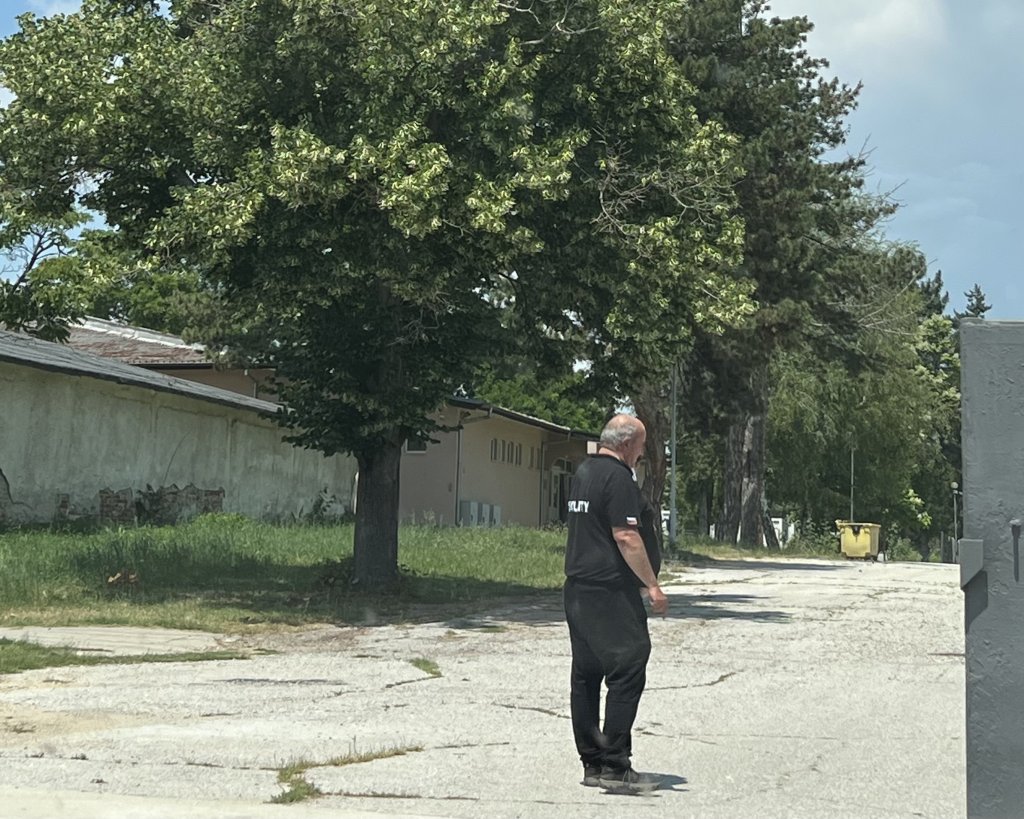
Security forces 'beat people' at refugee camp
Others speak of more sinister events at the camp. Hamid Khoshseiar, a translator and coordinator at the human rights foundation Mission Wings, works with migrants from the camp on a daily basis. He has heard horror stories of violence against migrants taking place at the reception center.
"There are some spots that the (security) camera does not cover and security forces there were using exactly those spots to beat people," he told InfoMigrants from his consultation room nearby the camp. Khoshseiar himself came to Bulgaria as a refugee from Iran and has made Harmanli home.
A lack of resources and funding, endless waiting and rising migrant arrival numbers are fueling tensions between refugees and staff at the reception facility.

"Especially this year, the population of asylum seekers (in Harmanli) increased a lot. As a result, they are really in need of basics like food, medicine and hygiene," Khoshseiar said.
As of June 2023, there are 700 asylum seekers at the center, 276 of whom are children (81 are unaccompanied minors), according to Mariana Tosheva, chairperson of Bulgaria's state agency for refugees. Most are from Syria and many spent time a year or more in Turkey before arriving in Bulgaria.
Tosheva says the Harmanli facility has the space to accommodate a total of 3,650 migrants, but resources are stretched to their limits.
"We really face a shortage of financial resources and human resources," Toshiva told InfoMigrants.
Read more: Exclusive: Corruption and criminal networks permeate Bulgarian migration and asylum
Bulgaria unprepared for surge in asylum applications
As of January 2023, the state agency for refugees slashed 100 staff members. Now, 274 remaining staff are spread across Bulgaria's six refugee reception centers and general administration. "So you can imagine the shortage," she said, adding that UN agencies and NGOs help with providing essentials like bed linen, clothing and hygiene products.
At the end of 2022, the UN Agency for Refugees (UNHCR) recorded a total of 176,316 refugees, 11,185 asylum seekers and 1,162 stateless persons in the Balkan country. In addition, since the start of the war in Ukraine, 1.3 million refugees from the war-torn country have transited Bulgaria.
"Bulgaria last year received some 20,000 asylum applications – the highest number in a single year over 30 years of recorded statistics," Boris Cheshirkov from UNHCHR Bulgaria told InfoMigrants. The main countries of origin of asylum seekers were Syria, Afghanistan, and Morocco (Ukrainians are exempt from the asylum application process).
The Taliban takeover of Afghanistan in 2021 and the ongoing conflict in Syria are pushing people to seek refuge in Europe. Continued economic and political instability in neighboring Turkey – including the devastating aftermath of the February earthquake – are also driving Syrians previously living in Turkey to cross the border into Bulgaria.
"This is creating pressures on Bulgaria's asylum system, including on already difficult conditions in centers for asylum seekers, as well as in access to services such as health," Cheshirkov said.
Read more: Exclusive: Why are migrant pushbacks from Bulgaria to Turkey soaring?
'Bulgaria cannot host that many refugees'
Khoshseiar thinks Bulgaria's small population of 7 million means the Balkan country is not ready for the increase in refugees. Though he feels happy and secure living in Bulgaria after escaping political persecution in his homeland Iran, he feels pessimistic about Bulgaria's current refugee resettlement capacities. The social worker said he has seen the number of arrivals at Harmanli triple since 2020.
"It's not possible for authorities to keep all those people…Bulgaria cannot host that many refugees," he said, adding: "We know that Bulgaria is one of the poorest countries in the European Union."
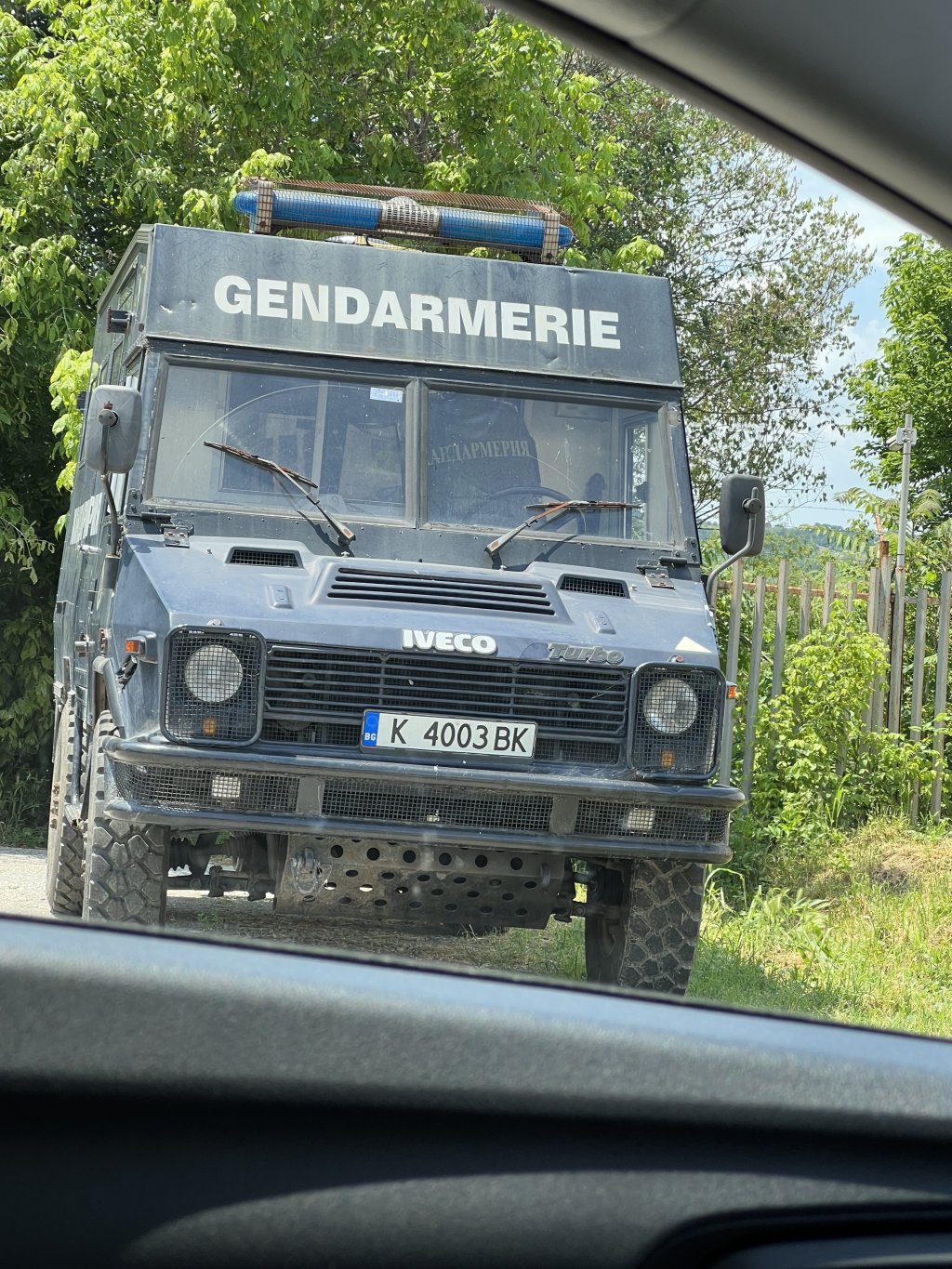
Bulgaria, situated on a major route for migrants from the Middle East and Asia to Europe, is typically used only as a transit corridor for those hoping to continue westwards to wealthier economies like Germany and France.
"When they (migrants) see they don't have that much chance here, they will decide to leave," Khoshseiar said, adding: "I think even if the government wants to do something about it, they cannot because they don't have enough capacity for that."
*Name changed to protect identity
All research and interviews were conducted between June and August 2023, with field reporting in Bulgaria carried out between June 18 and 24, 2023.