
For most of this year, figures have shown that the UK asylum backlog has been reaching record highs. At the beginning of autumn, government figures showed it stood at over 175,000 people. Among them are thousands of unaccompanied children waiting for answers.
Thousands of unaccompanied children seeking asylum are left in limbo, waiting for years for a decision on their case, the British newspaper The Guardian reported yesterday (November 7).
According to data from the Home Office, since 2020, more than 7,500 children in Britain have waited more than a year for an initial asylum decision. Unaccompanied minors refer to children who are separated from their parents and family members during their migration journey or who have traveled alone.
The UK's Refugee Council told InfoMigrants in a statement: "We know from our work with these children that they have had to flee for their lives, through no fault of their own, and are deeply traumatized, often arriving with physical wounds. Long delays have a devastating impact on these children, they struggle to put the past trauma behind, feel safe and included in their new community. The children we speak to tell us that they feel anxious, scared and lonely, and we have grave concerns about their mental and physical health."
Increase in children waiting for claims to be processed
In 2022, four times as many children were waiting for a decision on their cases, according to the Guardian. In 2020, there were an estimated 1,083 cases that dragged on for more than a year, and 4,103 in 2021.
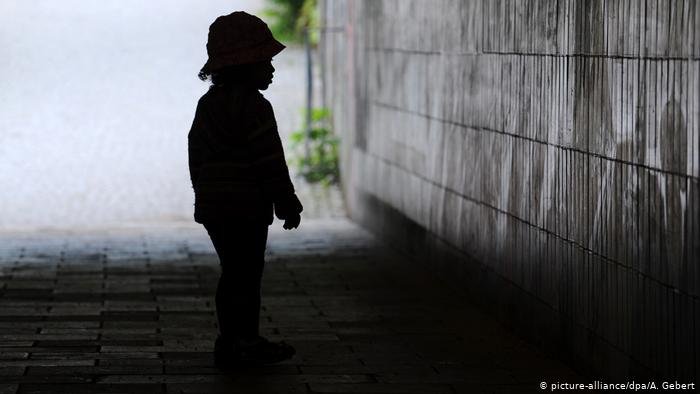
About 57 of the unaccompanied minors have been waiting for more than five years. This represents a sevenfold jump in those waiting five years or more for an initial asylum decision. In 2020, the number of child asylum seekers waiting was five, and 35 in 2022.
The Migration Observatory, a research think tank at the Centre on Migration, Policy and Society (COMPAS) at the University of Oxford, said that factors that include a sharp increase in asylum applications and a small number of caseworkers have created a bottleneck in asylum processing.
At the end of 2022, there were around 132,000 asylum applications awaiting an initial decision in the UK. Despite the current government's claims to want to speed up processing and get the backlog down, the numbers have increased still further since then, according to evidence given at the Parliamentary Home Affairs Committee in summer 2023.
In 2014, 87% of asylum applications received an initial decision within six months. In 2022, that number nose-dived to only 10%. At the end of 2021, the UK had the second-largest asylum backlog in Europe after Germany, COMPAS reported.
Also read: 'Thousands of kilometers alone': Unaccompanied child migrants arriving in Europe
Profile of child asylum seekers
According to data from the UK's Refugee Council, in the year ending September 2022, there were about 5,152 applications for international protection from unaccompanied children in the UK. The children were mostly from Sudan and were between the ages of 14-17.
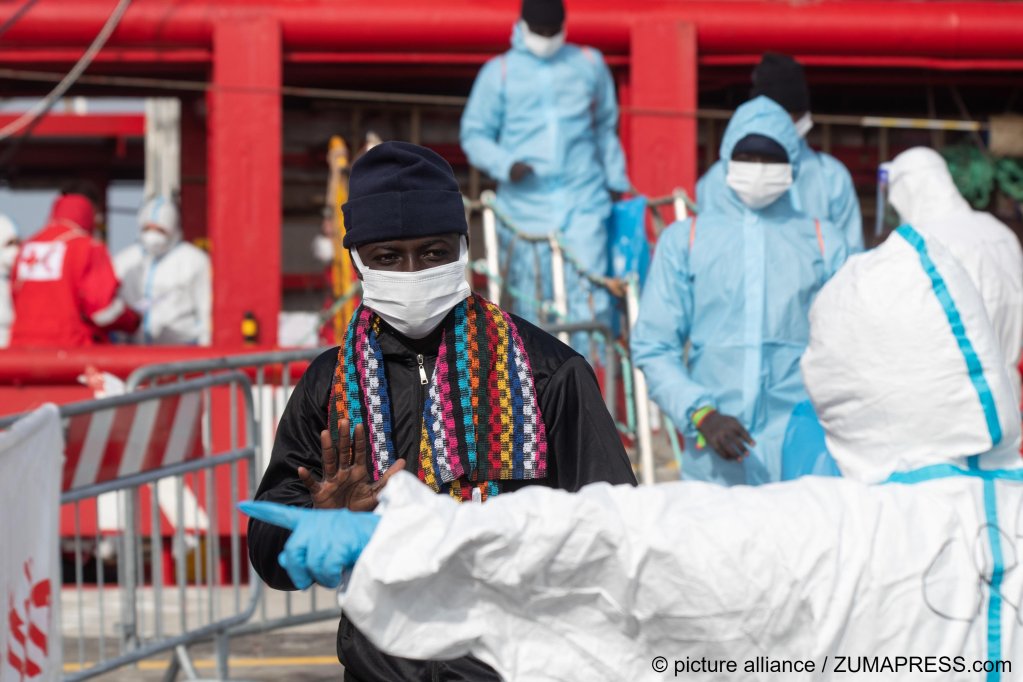
Sudan has been gripped by armed conflict since April 15, when fighting broke out between Sudanese government forces and the paramilitary group, Rapid Support Forces. The United Nations estimates that more than 5.8 million people have been displaced due to the on-going conflict.
Children represent about 47% of the population of the northeastern African country. More than a third of young people between 15-24 are unemployed, with young men reportedly more likely to not have a job.
Since the beginning of 2023, more than 15,000 unaccompanied minors have arrived on small boats in Italy, according to Italian government figures updated on November 6. Some, but not all of them may travel on to France and the UK, where they believe better opportunities await for them, they have more of a grasp of the language, or they already know friends and family networks waiting for them.
Unaccompanied minors seeking asylum in the UK are also reportedly from Iran, Eritrea, Afghanistan, Vietnam, Iraq, Albania, Ethiopia and Syria.
Also read: Sudan: UN sounds alarm over thousands of child deaths
The feeling of being forgotten
The regional non-profit organization Greater Manchester Immigration Aid Unit (GMIAU) warned of the drastic mental health impact and increased risk of suicide among child asylum seekers trapped in the limbo of a fractured immigration system.
In their report, "We lost our lives when we arrived here: Children in the UK's asylum system" released in June this year, they said children struggle for months before being assigned legal representation and then must navigate a complex and "unjust" asylum system.
Amara arrived in Britain in July 2021 and waited nine months for a lawyer to be assigned to her case. Another 10 months went by before she was finally granted asylum. The long wait and the uncertainty that it carried with it often distracted Amara from school, and left her wondering how she could continue her education if her claim was denied.
"When we wait long, without any response, we feel like we have been forgotten. That’s what I want to show, that’s the feeling that comes. Being forgotten," ~ Amara
The difficulty of turning 18
Interviews and surveys with social workers, legal representatives, and children seeking international protection indicate that there is heightened anxiety as the children approach 18. When a child turns 18, their asylum application if already in process should still be decided as if they were a child. However, as GMIAU noted, as an adult they are no longer eligible for legal aid that would fund legal representation and an interpreter during their interview. Making the final process very difficult.
According to a UK government policy paper updated in July 2023 and related to the new Illegal Immigration Law, passed this year, although the British authorities would only seek to deport under-18s in very limited circumstances, once they turn 18, their future is threatened. The policy paper stated: "The duty to remove in clause 2(1) of the bill does not require the Secretary of State to make removal arrangements for unaccompanied children until they turn 18 years old, but there is a power to do so."
Once the person who arrived as a child turns 18, states the policy paper, if they "arrived in the UK illegally [they] will not be allowed to settle in the UK." Furthermore, their future post-18 looks bleak under the new law. The policy paper states at that point that "any asylum claims or human rights claims (in relation to their home country) will be declared inadmissible."
'A mental toll'
Taiwo arrived in the UK at the age of 16 in January 2020. The pandemic slowed down the asylum process and Taiwo's asylum application was approved by the end of 2021--after nearly two years. Taiwo told GMIAU that waiting while seeing other people get on with their lives took a mental toll on him.
"They have to look at delays for young people, because so many people kill their own selves because of the status," Taiwo
"Children in the UK’s asylum system are suffering...They bear the cost of the government's scapegoating and dehumanization," GMIAU said in a statement.
GMIAU, which works mostly with child asylum seekers from Sudan, further criticized Britain's Illegal Migration Bill because it threatens to detain people arriving on small boats and deport them back to their country of origin or a designated safe third country.
Amanda Shah, a senior policy officer at GMIAU told the Guardian "We regularly hear from young people who are confused, upset, and angry that they are waiting months and months for the Home Office to make a decision on their asylum claim." She added: "No asylum decision means young people don’t have the safety and security they desperately need to get on with their lives in their new communities."
Also read: UK: 'Illegal Migration Bill' to become law
The nonprofit called for reform in the asylum system which is "growing more cruel and punishing by the day" by clearing the bureaucratic backlog and granting asylum to all unaccompanied children so they can begin their lives.
Also read: UK: 'Illegal migration bill' begins amendment process in upper house of parliament
The Home Office has been promising to reduce the backlog of asylum claims all year. They told The Guardian that they have created a "dedicated children's case working hub" to speed up the processing of the claims. They said overall they were allocating "more resources" to children and young people's claims and that "the safety and welfare of all children is our utmost priority."