
Greece is buckling under a considerable shortage of affordable housing. Rising prices have led to an increased risk in homelessness, and refugees and asylum seekers bear the brunt.
Like many European countries, Greece is experiencing a housing shortage.
The Greek economy, which has been stagnant for over a decade, has seen increased investment in its real estate market in recent years following the implementation of initiatives like the country's golden visa program, which aims to attract foreign investment and boost the tourism industry.
Through the program, investors from countries like Israel, Russia and China have purchased a large number of properties in Greek cities, causing rental property prices to skyrocket.
The Greek City Times reported that according to data from the Ministry of Migration and Asylum, the program contributed nearly €1 billion to the Greek economy in the first five months of 2023. But the higher cost of rent is pushing people out.
Athens for sale
Christos Nikolaidis, the country coordinator of the Athens-based NGO Lighthouse Relief which tries to fill gaps in humanitarian support for people seeking refuge, reflects on Athens' shift to a tourist city, noting the influx of new shops, bars and restaurants that have opened in recent years.
In 2019, Nikolaidis says, a first-floor two-bedroom apartment in central Athens would cost approximately € 300 a month. Now, he says, one would be lucky to find a small, basement-level studio apartment for that price.
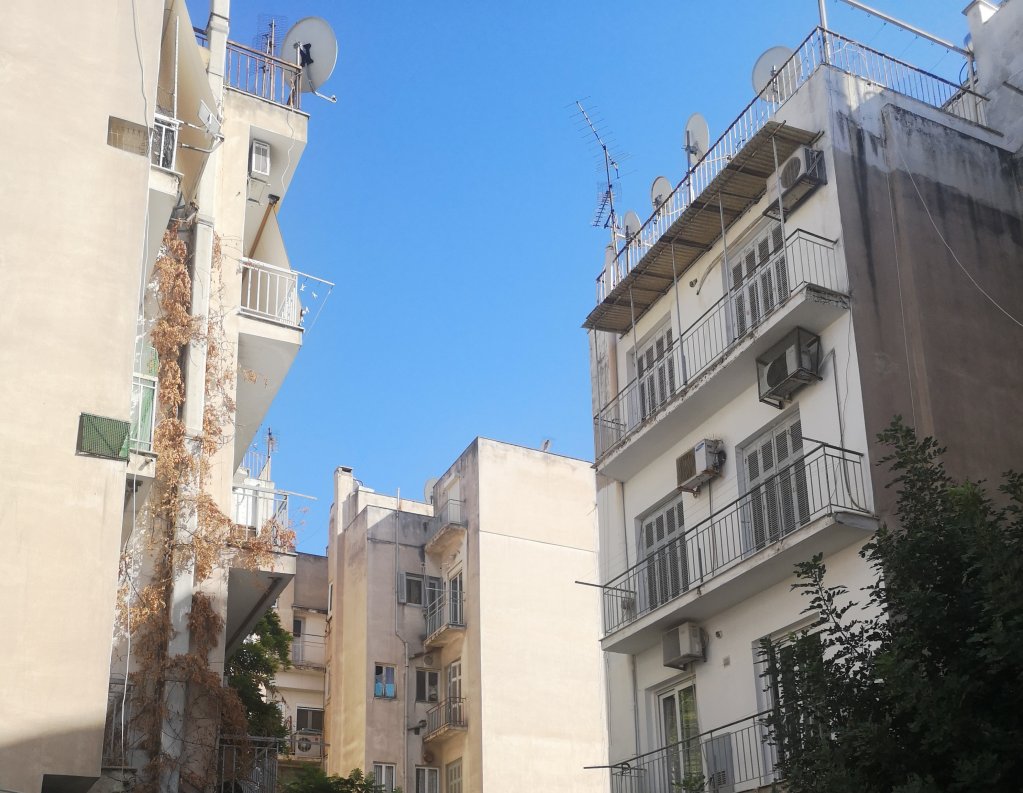
While many cities such as Berlin are attempting to regulate -- and in some cases, altogether ban -- short-term vacation rentals such as Airbnb, the local government in Athens appears to be doing the opposite in a bid to further encourage tourism. This has exacerbated the housing shortage among residents.
Greece's gross minimum monthly salary for a full-time job is € 780 (around € 670 net a month) -- low in comparison to many other EU states, like Germany (€ 1,621 per month) or Portugal (€ 823 per month).
Also read: How Europe's housing crisis impacts migrants
Highest housing cost to income ratio in the EU
According to Eurostat, Greece has the highest housing cost overburden rate among all European Union countries. A country’s housing cost overburden rate refers to the portion of the population that spends 40% or more of their disposable income on housing.
The highest housing cost overburden rates in cities were observed in Greece (32.4%), Denmark (21.9%) and the Netherlands (15.3%). In rural areas, rates were also significantly higher in Greece (22.0%), followed by Bulgaria (13.3%) and Romania (10.8%).
Data shows that figure is even higher for those who rent in Greece. In 2020, over 79% of renting households spent 40% or more of their disposable income on housing.
Along with the financial difficulties, renters are required to jump through tedious bureaucratic hoops, Nikolaidis says, explaining that many landlords ask for extensive paperwork, including tax declarations from previous years.
These requirements can present huge hurdles for Greek citizens, but even more so for refugees and asylum seekers. Nikolaidis notes that many refugees who have been granted asylum in Greece are at high risk of experiencing homelessness.
Also read: Migration policy: Greece to lead ICMPD in 2024
Housing for refugees
The 2022 closure of the Eleonas camp in Athens pushed asylum seekers to camps in more remote parts of the country.
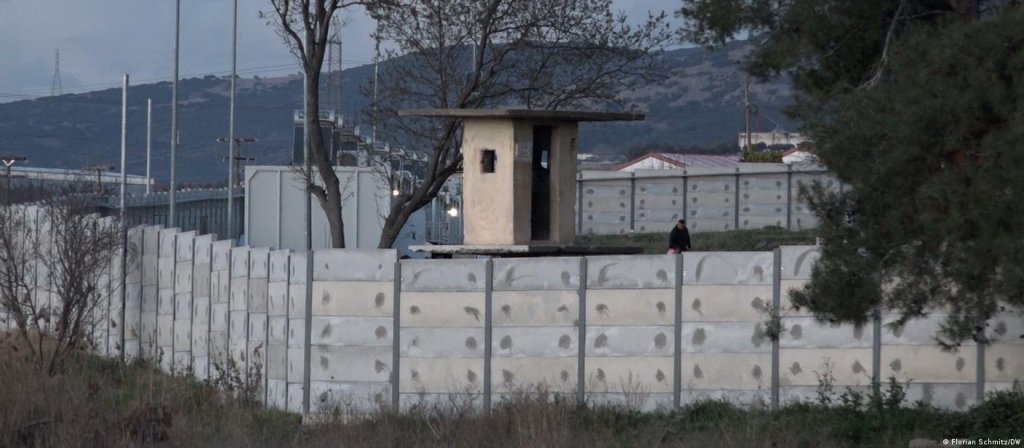
Nikolaidis explains that the camps tend to be very isolated, with limited access to transportation, basic services and education.
Aside from the reception and identification Malakasa camp, most camps theoretically allow residents to freely move in and out.
However, Nikolaidis notes that there is generally no transportation available aside from costly private taxi services near camps, making it impossible for asylum seekers to actually exercise this free movement in practice.
Also read: Greece: Asylum seekers moved back into refugee camps
No more support for vulnerable persons
The end of Greece's Emergency Support to Integration and Accommodation (ESTIA) housing scheme for vulnerable asylum seekers late last year presents further challenges amid the current housing crisis.
ESTIA was launched in 2015 to ensure that migrant families with multiple children, people with disabilities and survivors of torture, among others, were provided with suitable housing and access to medical care. In 2020, the UN refugee agency UNHCR handed over management of the program to the Greek government.
The EU-funded housing program was shuttered by the Greek government just two years later, in December 2022, despite the European Commission’s commitment to continue funding the scheme until 2027.
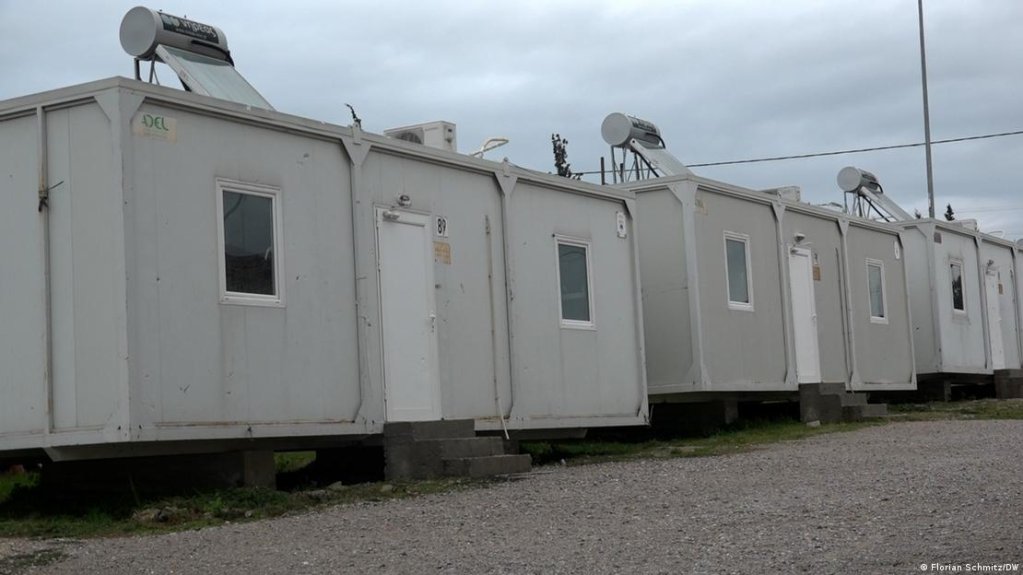
The move forced vulnerable people to move from private accommodation to camps in remote locations, where they have restricted access to support and little or no chance of integration.
Rouddy Kimpioka, the founder of RAD Music International, an NGO supporting refugees and asylum seekers on Lesbos, explains to InfoMigrants that the situation on the Greek island is similar.
"Vulnerable people are not supported by the government," he says. "They all live inside the camp, the government doesn’t provide separate housing."
Both Kimpioka and Nikolaidis note that vulnerable persons who are recognized refugees are also affected.
"Many are single women with children who have been a granted their asylum request," says Kimpioka. The situation can feel hopeless for those affected.
Also read: Greece: ESTIA housing scheme for vulnerable asylum seekers to close for good
Homelessness on the rise
Further challenges faced by refugees in Greece include a lack of support after completion of the asylum process. The Hellenic Integration Support for Beneficiaries of International Protection (HELIOS) program for recognized refugees is an integration program run by the International Organization on Migration (IOM). It was initially funded by the EU (from June 2019 to December 2021) and has been funded by the Greek Ministry of Migration and Asylum since January 2022.
To qualify, an individual must have been granted international protection and must have a six-month housing contract.
It was designed to to follow on from the six months of state support refugees receive after obtaining asylum. However, this support has been reduced from six months to one month, Nikolaidis says, making the transition virtually impossible.
The only people who can benefit from the program now are those who were still eligible for the previous six-month state program, or those who have savings or employment, he notes.
"If you have no savings you are on your own," Nikolaidis adds. "You experience homelessness, stay with friends, or apply to NGOs who run housing projects -- but currently all of them are at full capacity."
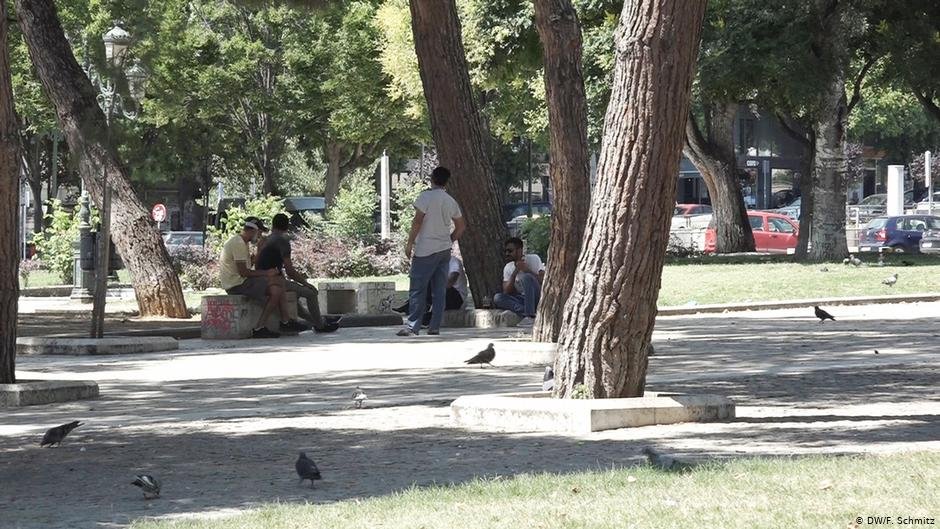
Kimpioka notes that "even those that are part of the HELIOS program are struggling and staying with friends or homeless because the program couldn’t cover them. There are too many difficulties."
Theoretically, they would be "in a very good situation to be integrated because they have their documents,” he says.
However, "people are on the street," says Kimpioka. "That is the reality of the situation."
In Athens, homelessness also continues to be a major issue. "It was even an issue when ESTIA was actually working," Nikolaidis tells InfoMigrants. "You still had an issue of homelessness or people needing housing support. And this still persists to now. I'm not going to even talk about the new arrivals that come and they have no work."
"So there is definitely more homelessness. We give them tents, it's as simple as that. Because there is no other option…Unless you have friends or community support somehow," he adds.
Also read: Greece launches new complaints mechanism for migrants
NGOs struggle to fill the gap
Kimpioka notes that NGOs are trying to fill the gap, "but it is not enough".
"We provide food, clothes and welcome them to try to help. We are doing everything we can in our capacity," he tells InfoMigrants.
Kimpioka states that by providing basic needs, food, clothes and medical organization, NGOs play a very important role on the island. "Without NGOs, the situation would be very bad," he says.
Also read: Greek island camps over capacity after hundreds of migrants rescued
Update: The funding period for HELIOS was June 2019 – 30 September 2023. A representative of the HELIOS project told InfoMigrants that it is foreseen that the project will be extended until 30 November 2023. However it is still unclear if the project will continue beyond this date.