
Austria will introduce intensified checks at its northern border with the Czech Republic to stem irregular migration and prevent smugglers from changing their routes and evading justice, the country's interior minister announced.
Austria will introduce intensified checks at its northern border with the Czech Republic to stem irregular migration and prevent smugglers from changing their routes and evading justice, German news agency dpa reported yesterday (October 17).
"The police officers will carry out effective and targeted controls at the (Czech) border in order to prevent the smuggling mafia from shifting their routes,” Austrian Interior Minister Gerhard Karner said, as reported in Alabrabiya News.
The Austrian measure will remain in force for 10 days.
The move to bolster border controls comes on the heels of Germany’s announcement to reintroduce checks at its border with the Czech Republic.
Germany announces fixed border checks
German Interior Minister Nancy Faeser announced on Monday (October 16), that Germany would reintroduce physical checks at its borders with neighbors Czech Republic in the east, Poland in the northeast, and Switzerland in the south for a period of 10 days.
The directive was meant to curb irregular migration and counter the smuggling of migrants. The first checks were reportedly carried out shortly after.
Faeser reportedly assured her Swiss counterparts that the checks would be carried out "selectively" so as not to disrupt commuters and trade transport. However, long queues formed at the border and trucks were seen crawling along the A17 motorway at the Breitenau-Krasny Les border crossing in the Saxon Switzerland-Osterzgebirge district near Dresden, Germany soon after the physical checks began.
Also read: Denmark extends temporary border controls
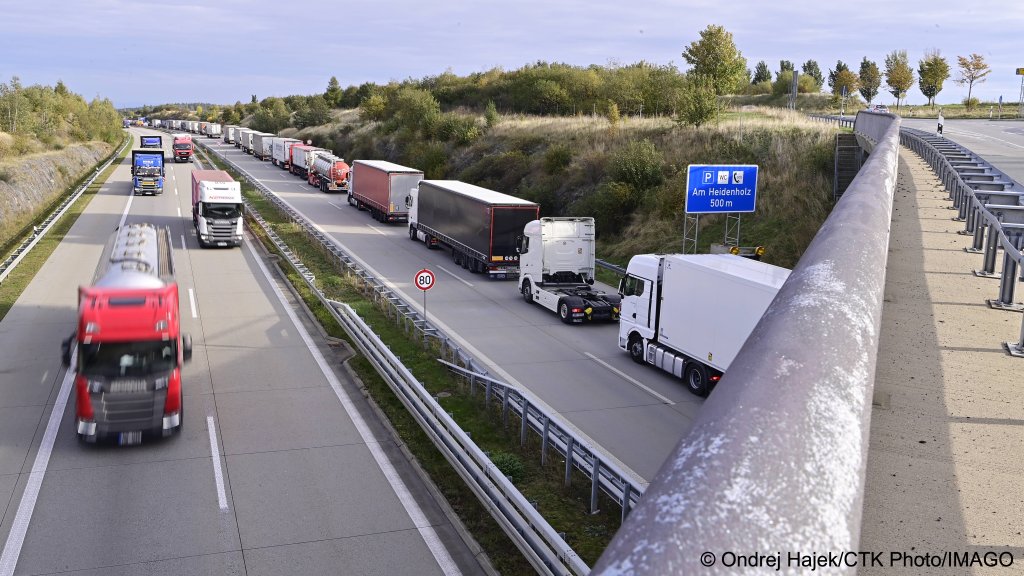
Tightening border controls
Austria and Germany are not the only countries that are tightening border controls. Last week, Poland and the Czech Republic extended their temporary checks at the border with Slovakia until the beginning of November with a possibility to extend beyond that.
The move is meant to curb irregular migration through the Balkan route.
"This is a measure necessary for the effective fight against groups of smugglers and illegal migration," Czech Interior Minister Vit Rakusan posted on social media platform X (formerly Twitter).
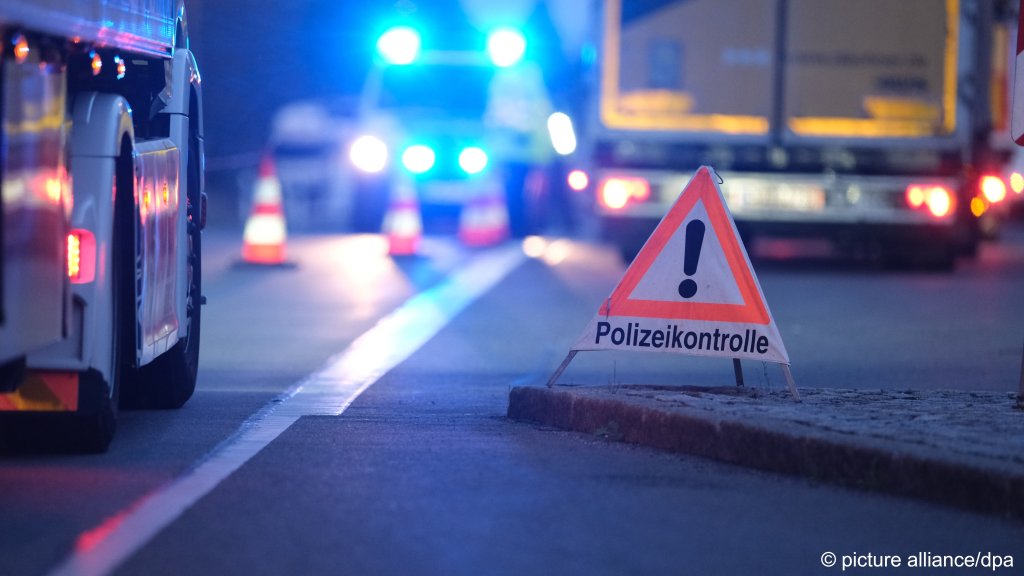
Slovakia has seen an increasing number of migrants entering the country to make their way to Germany and other parts of Western Europe. The migrants, predominantly young men from the Middle East and Afghanistan, reportedly travel through the Balkan route, entering Hungary from Serbia.
The Western Balkan route is one of the main migratory paths into Europe.
Data from the EU border security agency, Frontex. shows that in 2022, there were about 145,600 irregular border crossings on the Western Balkans route, 136% more than the previous year.
In 2022, the EU and the Western Balkans penned a regional Anti-Smuggling Operational Partnership aimed at consolidating efforts to crack down on criminal smuggling networks and increase the border management capacity of Western Balkans.