
The bodies of three people have been found after a migrant boat sank off the Greek island of Symi. The coast guard said it managed to rescue one woman and seven men and they are searching for at least two more.
In the early hours of Monday (October 16), a migrant boat thought to be carrying about 13 people sank off the Greek island of Symi in the Aegean Sea. The Greek authorities say they have recovered the bodies of three migrants so far (two men and one woman) and are searching for at least two more, reports the news agency Reuters.
Those rescued include one woman and seven men. The news agency Associated Press (AP) reported that two of those rescued were transported to hospital on the nearby larger island of Rhodes. The rest were taken to the main port on Symi, said the coast guard.
Two coast guard vessels, four private boats and an air force helicopter are involved in the search, reported AP. Survivors told AP they believed two of those on the boat may have managed to reach the shores of Symi on their own.
Arrivals in Greece
According to figures from the UN refugee agency UNHCR, 846 migrants have arrived on the island of Symi since the beginning of the year.
The island is located in the south-eastern Aegean, not far from the coast of Turkey.
Arrivals in Greece had dropped off in the last couple of years, but in the last few months of 2023, they have begun slowly to rise again, although they are nothing like the greater numbers seen arriving between 2015 and 2016.
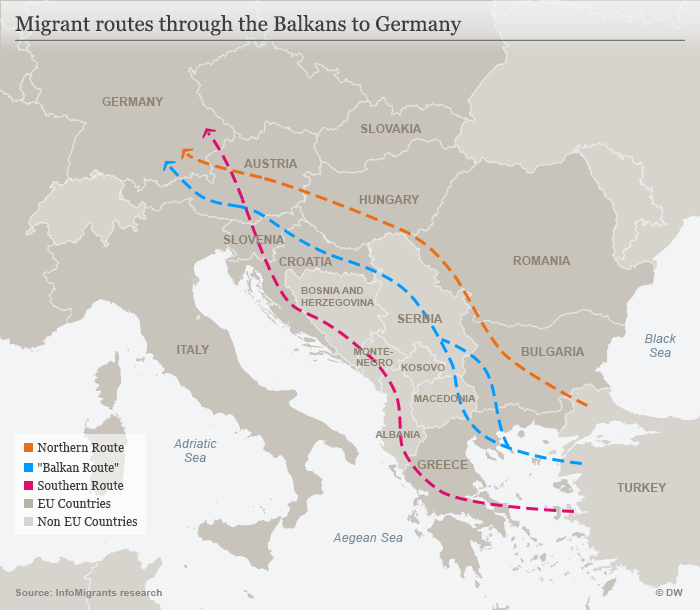
UNHCR's figures, last updated on October 8, show that 32,822 migrants arrived in Greece since January 1 this year. The majority, over 27,000 arrived by sea, the rest by attempting to cross the river and land borders at Evros to continue up the so-called "Balkan route" towards Bulgaria and then on through the Balkans.
Also read: Mediterranean countries to take hard line stance on migration
Route changes
This year, the most common nationality for arrivals in Greece are Palestinians (22%), followed by Afghans (12.7%) and Somalis (11.3%), Syrians (10.5%) and Eritreans (10.4%), according to UNHCR.
The majority of those who have arrived by sea this year have landed on the island of Lesbos (9,655).
Earlier this year, more and more migrant smugglers appeared to be turning to large boats to try and transport migrants towards Italy, but since a large fishing boat sank off the coast of mainland Greece in June, the numbers of those taking the shorter crossing from Turkey towards nearby Greek islands in smaller boats seems to have risen again.
Also read: How European countries seek to deter asylum seekers
NGOs and the European border agency Frontex, as well as border forces from countries along the Balkan route have also been noting an increase in the numbers of migrants hoping to arrive in Europe via the Balkan route.
On Friday (October 13), Frontex released a report showing that "the number of detections* of irregular border crossings at EU’s external borders rose by 17% in the first nine months of 2023 to 279 350, the highest total for the period since 2016, according to preliminary calculations."
Also read: Healthcare access program for migrants extended in Greece
Although one in every two of these detections were on the central Mediterranean route towards Italy, in September, the numbers of those detected trying to cross borders in the Western Balkans rose and became the "most active migratory route in September," notes Frontex.
Earlier in the year this route had seen a decline in detections of irregular border crossings, "largely due to tighter visa policies."
With Reuters, AP and Anadolu
*Frontex notes that these are detections, not people; the same person may attempt to cross a border several times.