
According to the organization Human Rights Watch, the Tunisian National Guard collectively expelled over 100 migrants from various African countries across the border with Algeria between September 18 and 20, 2023. Among those were children and even legitimate asylum seekers, the organization claims.
"Only two months after the last inhumane mass expulsions of Black African migrants and asylum seekers to the desert, Tunisian security forces have again exposed people to danger by abandoning them in remote border areas, without food or water," stated Salsabil Chellali, Tunisia director at the organization Human Rights Watch on October 10.
The group, of more than 100 African migrants and asylum seekers are alleged to have been expelled across the border with Algeria between September 18 and 20 this year. But, as Chellali points out, they are not the first or the last group to have been pushed across Tunisia's borders by its authorities this summer.
Chellali knows the region and its politics extremely well: Prior to joining HRW, she worked as a journalist covering North Africa for the French news agency Agence France Presse (AFP) as well as working as a freelance journalist across Algeria, Morocco and France.
Also read: EU and Tunisia discuss further moves to stop 'irregular' migration
Pushed to the borders
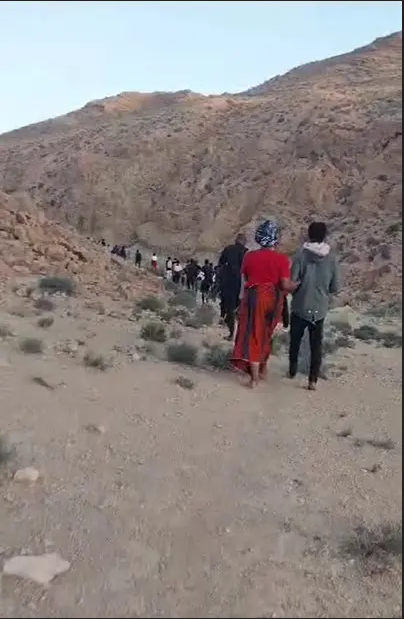
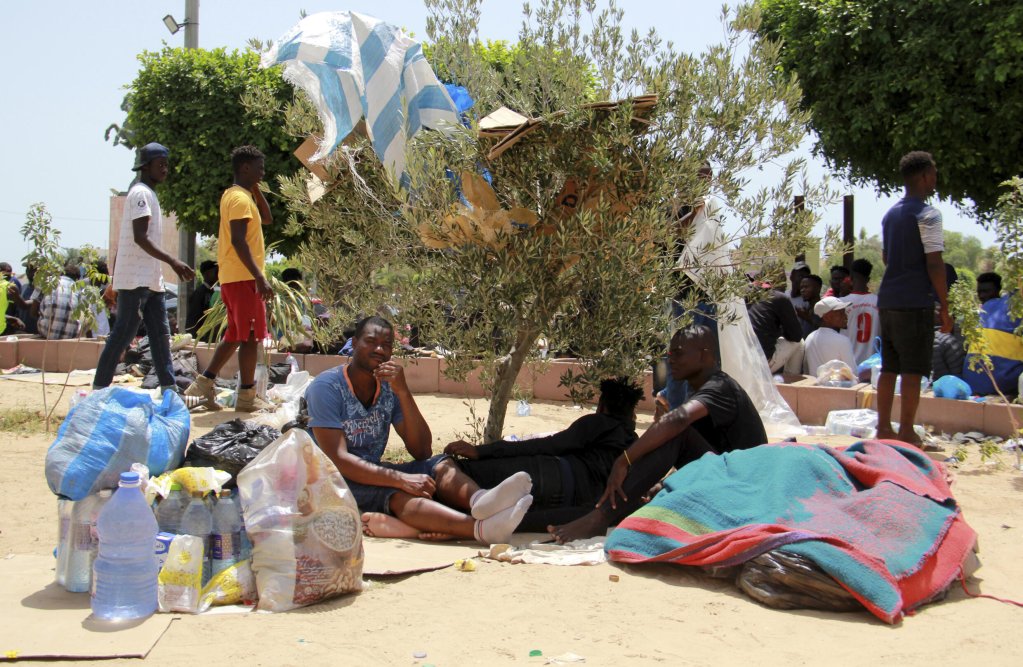
Pictures, videos and numerous testimonies from migrants and journalists point to the fact that at certain points across the summer, the Tunisian security forces rounded up migrants, many of them from sub-Saharan African countries, and left them, often with inadequate food supplies, water and clothing, in the desert areas of the country on the borders with its neighbors, Algeria and Libya.
According to HRW, "these operations may signal a dangerous shift in Tunisian policy." This, says the humanitarian organization, is because the group they say were expelled in mid-September had been intercepted at sea and returned to Tunisia by the coast guard, which is part of the National Guard.
Previously, said the organization, migrants intercepted at sea had been released within Tunisia, not pushed over the border.
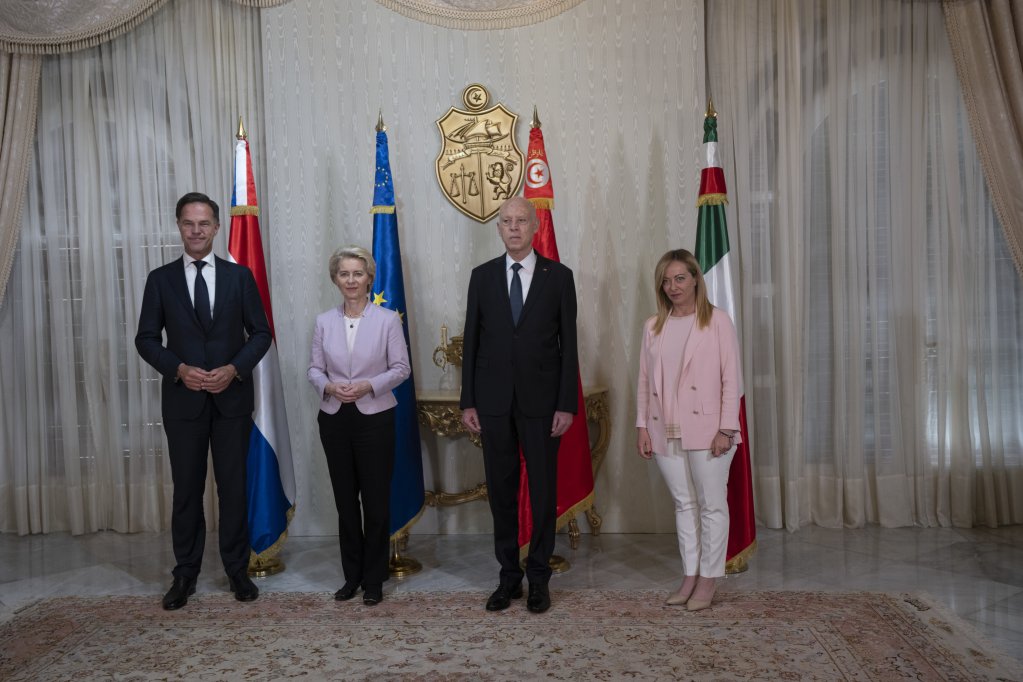
The alleged expulsions come two months after the EU agreed to sign deals with the Tunisian government, promising more than €1 billion in funding, much of which was earmarked for supporting and training the Tunisian security forces, including the coast guard, to more effectively stop people attempting the Mediterranean crossing towards Europe.
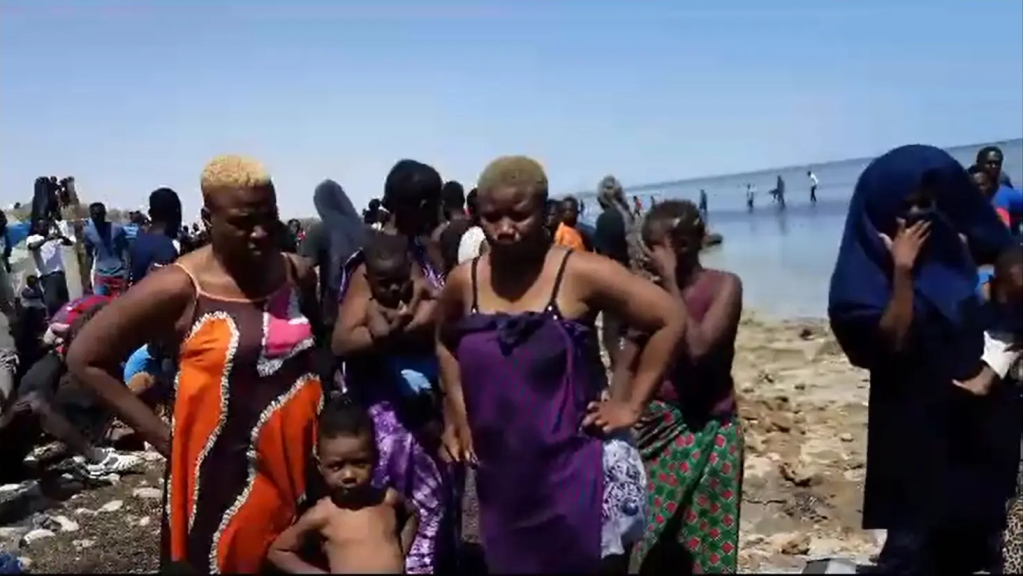
Since the beginning of 2023, more than 138,000 migrants have reached Italy by small boat. The majority of them set off from ports in Tunisia, although crossings are still also made from Libya and, to a lesser extent, Algeria and Morocco.
Beaten up and belongings confiscated
Some of the migrants in the group of those expelled claimed the National Guard had also beaten them up and stolen their belongings, including "phones, money and passports," reports HRW.
Just a few days after these expulsions are alleged to have taken place, the EU announced, on September 22, that part of the promised funding - around €67 million - would be provided "imminently" to Tunisia to help it manage migration.
HRW meanwhile accused the EU of failing to provide "any clear benchmarks [attached to the funding] to ensure that Tunisian authorities protect the rights of migrants and asylum seekers."
Shortly after that promise, on October 2, Tunisian President Kais Saied publically rejected the deal, saying that Tunisia was not ready to lose its sovreignity for "charity or handouts" reported the news agency Associated Press (AP) at the time.
Saied said that the money coming from the EU had failed to respect the initial agreement brokered in July. He has also underlined that he didn't want to become "Europe's border guard" and that he was worried about sub-Saharan African migrants who do not qualify for protection in Europe being expelled to "safe third countries" like Tunisia, rather than being sent back to their own countries of origin, many of which don't currently have repatriation agreements with the EU.
Also read: Migration as a weapon, is Tunisia blackmailing the EU?
In late summer, Tunisia also barred European Parliament delegates from entering the country in a similar row over EU expectations attached to the promised funding.
Held for hours with 'little water and no food'
Since the alleged expulsion, some of the members of the group have spoken to HRW researchers. Among them a 38-year-old Cameroonian man, a 17-year-old Guinean boy, an 18-year-old and two 16-year-old boys - all from Senegal.
They all said that they had been in Tunisia without papers and that they had been intercepted at sea, en route to Italy. After being returned to land, they say they were part of a "large group of people" bussed to the Algerian border.
In July, human rights organizations had already accused Tunisian authorities of expelling over 1,300 migrants, including women and children, into remote desert border regions on both the Libyan and Algerian borders. At least 27 people are known to have died in these border regions during that time.
Also read: Tunisian President decries interference in internal affairs
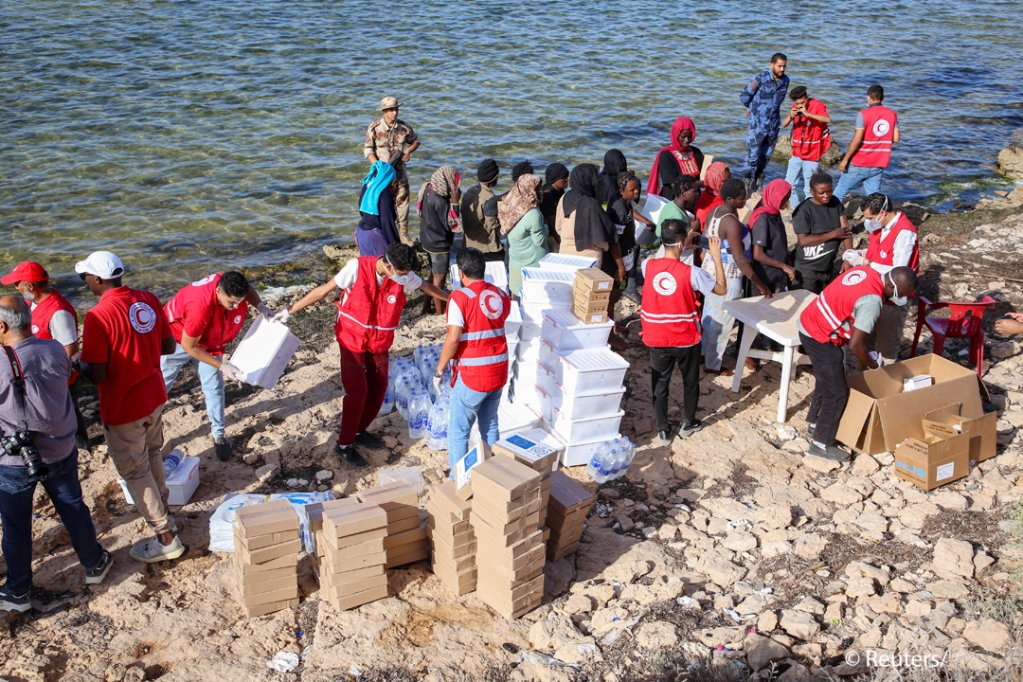
Those interviewed said that after being intercepted, Tunisian border guards asked for their documents and "appeared to register the information" - although one 16-year-old also said that his passport was torn up by the guards.
A group of about 80 people were then held "for several hours" after their interception on September 17 "with little water and no food or medical screenings." Their phones and passports were confiscated, "except for those that some people managed to hide."
One of the 18-year-olds said he was slapped after being accused of filming the interception. When his phone was returned to him, he found it was "reset and wiped of data." On the evening of September 17, the group say they were driven to the city of Le Kef, which is about 40 kilometers from the Algerian border. There, they were "divided into groups of about 10, loaded onto pickup trucks" and driven "toward a mountainous area."
'If you return to Tunisia we will kill you'
A Guinean boy told HRW researchers that one of the guards threatened him, saying "if you return again [to Tunisia] we will kill you." One of the Senegalese youths added that one officer pointed his gun at the group.
The four, who were interviewed, were all on the same truck and managed to leave the border area and return to the Tunisian coast a few days later.
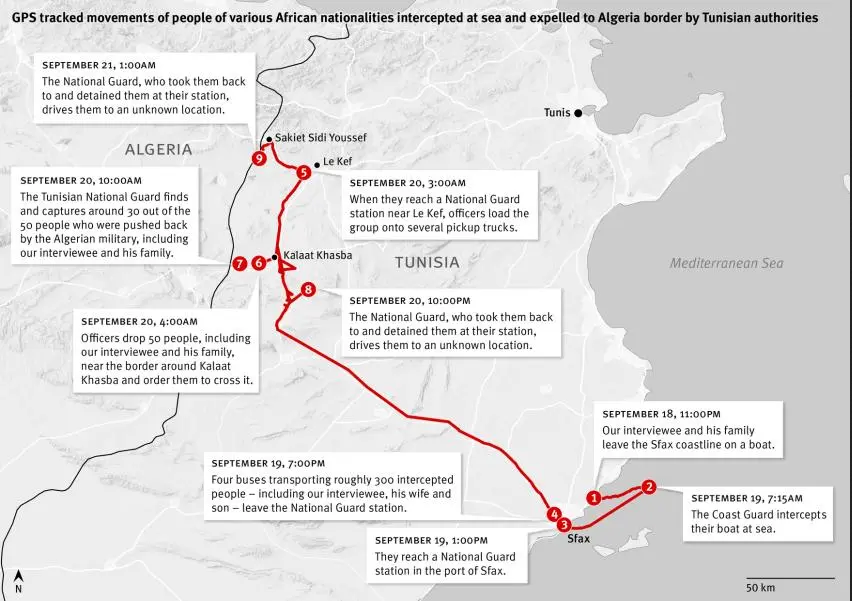
In a separate interception on September 18, a Cameroonian man, along with his wife and five-year-old son, were intercepted on another boat. They say their boat was carrying around 45 people, including three pregnant woman and another child.
They were also returned initially to Sfax, after the Tunisian coast guard "drove in circles around them, creating waves that destabilized their boat, and fired teargas toward them, causing panic," the Cameroonian claims.
In Sfax, the Cameroonian man says they were joined by other groups of people who also appeared to have been intercepted at sea. This man says members of his group were beaten because they had initially refused to stop at sea and attempted to continue towards Italy.
Here too, the Cameroonian man says that officers confiscated their phones "erasing and resetting some and never returning others." They also say they took "money and passports."
The Cameroonian man though managed to hide his phone and he shared with HRW photos and videos as well as records of his GPS tracking location from the coast towards the border. The organization reconstructed events according to the testimonies in a map.
Nine days walking to return to Sfax
According to his phone records, this man too was dropped in the Le Kef region and transferred from buses to pickup trucks which drove them towards the Algerian border.
They say they were pushed at gunpoint to try and cross the Algerian border, only as they tried to cross and obey the Tunisian national guard, "Algerian military officers fired warning shots."
Eventually the group left the area, but on September 24, the man says they were chased by the Tunisian National Guard near Le Kef, which "caused the group to scatter." He and his son then reached Sfax after walking for nine days, his wife reached the city on October 6.
HRW says it is "not clear whether the Tunisian authorities continue to carry out expulsions after interceptions in October." But if the testimonies are correct, in attempting a collective expulsion, Tunisia would be in breach of international Human Rights law, as well as the African Charter on Human and People’s Rights, to which Tunisia is a signatory.
Since children were also allegedly present in the group, Tunisia has "disregarded their obligations to protect children," says HRW.
The organizaton now calls on the European Commission to "suspend all funding for migration control purposes to the Tunisian National Guard and Navy pledged under the July agreement." It says the EC should carry out a human rights impact assessment and "set clear benchmarks to be met by Tunisian authorities before committing any migration management support."
In July, the reported expulsions of migrants to Tunisia's borders also drew condemnation from the United Nations. HRW also stated: "The African Union and governments of the people affected should publicly condemn Tunisia's abuse of fellow Africans, and the European Union should halt all funding to authorities responsible for abuse."
With AFP and AP