
Tensions between the government of the Canary Islands archipelago in the Atlantic and the mainland, currently led by a caretaker government, are mounting. Disagreement over how to address the increase of migrants arriving in Spain is also on the rise locally.
On Tuesday (October 10), the Spanish news agency EFE reported more arrivals of migrants on the Canary Islands archipelago in the Atlantic Ocean.
According to the agency, the Spanish coast guard, Salvamento Marítimo, located three boats with a total of 85 people aboard making their way towards the Canary Islands. All of them were rescued and found to be in good health, EFE reported.
In the early hours of Tuesday morning, one ship carrying 19 adult males, reported to originally come from sub-Saharan Africa, was detected off the coast of one of the smallest islands in the Spanish archipelago, El Hierro.
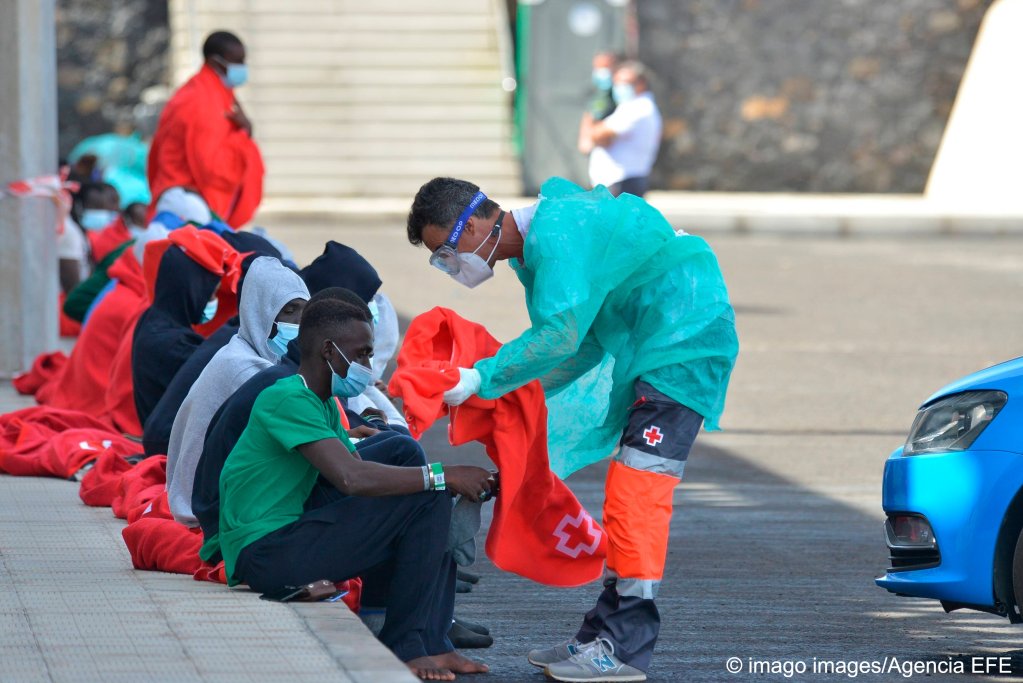
In addition, rescuers off the coast of Lanzarote detected a boat with 60 adult males of reportedly North African origin, around 64 kilometers north-east of the island’s capital, Arrecife.
Another boat with six adult males aboard meanwhile was located on the other side of the island, reported EFE.
Arrivals in Spain
Since the beginning of 2023, more than 27,000 irregular migrants have arrived in Spain, according to data provided by the UN Refugee Agency UNHCR. More than 15,000 of these migrants arrived on the Canary Islands.
A recent increase in the numbers arriving on the Canary Islands is now causing tensions both within the Canary Islands themselves, and also between the regional government and its counterpart in mainland Spain in Madrid.
Also read: Boat crammed with migrants reaches Spanish Canary Islands
The President of the Canary Island Regional Government, Fernando Clavijo, called in all the political parties represented in the semi-autonomous regional parliament late on Monday to discuss how to tackle the recent arrivals.
According to regional news portal Canarias 7, Clavijo hopes to get an agreement from the Canary Islands' political representatives to call on Spain’s central government in Madrid to "better coordinate and carry out effective actions against the migration crisis currently rocking the archipelago."
The regional parliament hopes to come up with a united position, calling on the central government to deal with the "humanitarian crisis resulting from the increase in the numbers of migrants arriving."
'An average of 500 arrivals per day'
Alfonso Cabello, the spokesperson for the regional government in the Canaries underlined that in the last week, more than 4,300 migrants had arrived on the islands, which amounted to an average of around 500 people a day.
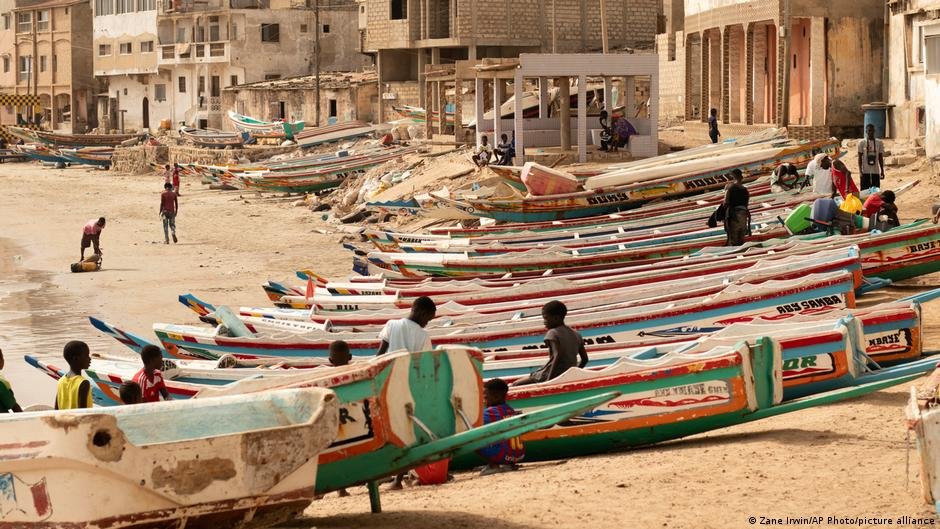
The numbers of arrivals are now nearing those experienced in 2006 when more than 31,000 people arrived in a year. That year was dubbed the "Cayucos crisis" - named after the kind of fishing boats that brought many of the migrants over from Senegal and Mauritania.
Cabello told reporters, according to Canarias 7, that the regional government felt like it had been left alone by central government:
"(W)hile hundreds of people are still arriving every day on the islands, what is the state government doing? -- Nothing. We haven't had a call or a show of support," he said, stressing that Prime Minister Pedro Sanchez should "step up" and take on the responsibilities the regional government claim should fall to Madrid.
No direction since elections
However, in July this year, Spain went to the polls, but an attempt by the winner in that vote, the conservative Popular Party (PP), to form a government failed at the end of September.
On October 03, Spain's King Felipe VI then turned back to Spain's acting (and incumbent) Prime Minister Pedro Sanchez, leader of the Socialist party (PS), to ask him to form a governable coalition.
Talks are still ongoing for that, as the caretaker government now needs to deal with what the Canary Islands regional government is calling a "migration crisis."
'Overwhelmed' health services
Spanish news agency EFE also reported that El Hierro was struggling to cope with the around 2,500 migrants who had landed there, with its health services reportedly feeling "overwhelmed."
On Tuesday, (October 10), EFE reported that most of those who arrived in El Hierro last week had already received transfers, mostly to centers on the larger islands of Tenerife and Gran Canaria.
"Just nine adult migrants remain on El Hierro at the moment," reported EFE, quoting Ministry of the Interior sources.
However, nearly 300 unaccompanied minors also remain on El Hierro, resulting in continued tensions.
Looking after unaccompanied minors in Spain is left to the local authorities where they are being housed.
The Canary Islands regional government however says that they are having to deal with more than 3,000 unaccompanied minors in total across all islands at the moment, when just a few years ago, in 2019, they say they had to deal with just 281.
Also read: Canary Islands overwhelmed by increase in arrivals
Taking responsibility for unaccompanied minors
This is why the regional government has been petitioning Madrid's government to start assigning some of these minors to other parts of Spain, rather than leaving it up to local authorities in the Canaries to come forward with solutions to host them.
The regional government says it feels abandoned by the central authorities - despite certain concessions being made such as an increase in the number of Civil Guard officers on islands like El Hierro.
Spain's Interior Minister Fernando Grande-Marlaska meanwhile admonished Canary Islands officials for wasting their energy criticising the central government instead of working constructively to find a solution, reported Canarias 7.
Also read: Spain urged not to return migrants to Senegal
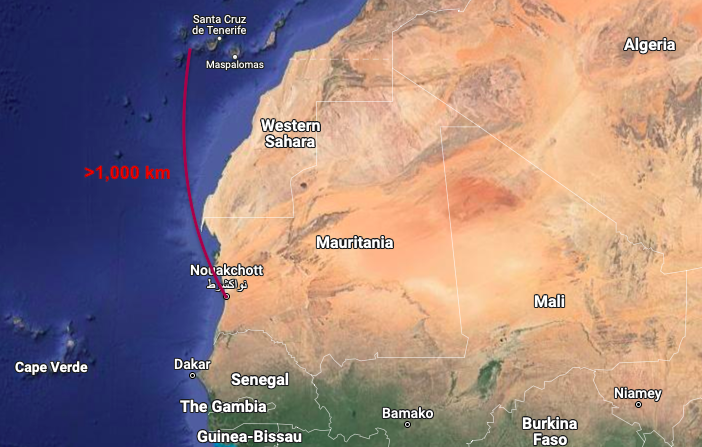
Grande-Marlaska added also that because of deals put in place between Spain and the governments of Mauritania and Senegal, the central government had effectively prevented 40% more migrants from arriving in the Canaries than already have.
He also claimed that without these agreements, the Canary Islands could have seen more than 11,000 additional arrivals since the beginning of the year, reported Canarias 7.
In the coming days, Grande-Marlaska is due to travel to Senegal and Mauritania to deepen the cooperation agreements already in place with the two countries, in part to manage migration flows to Europe.