
More than 800,000 asylum applications have been filed in the EU, Norway and Switzerland so far this year – the highest figure since 2016. As European countries look to tighten borders and fasten repatriation rates, the UNHCR has warned such moves are "impractical and short-sighted."
The European Union, Norway and Switzerland will likely reach the record mark of one million asylum applications this year – the first time since 2016, as reported by Germany's Welt newspaper on Tuesday (October 10). The daily cited figures from the EU Asylum Agency (EUAA), which had been provided exclusively to the German newspaper.
Exactly 801,459 asylum applications were filed in the 29 states between the beginning of the year and October 03 – already the highest figure for that 10-month period since 2016.
Baltic countries see uptick as Denmark, Austria report drops
The biggest jumps in application numbers were recorded in Latvia (up 168%) and Estonia (up 119%) – which can be explained by the surge in irregular migration from Belarus, Welt reported.
Germany came in third with a 74% increase in the number of applications compared to the same period last year. France on the other hand saw a percentage increase of 37% – only half as high as Germany's.
The biggest drops were recorded in Denmark (down 56%), Malta (down 54%), Cyprus (down 52%) and Austria (down 41%).
The country with the fewest asylum applications so far this year was Hungary – governed by right-wing populist leader Viktor Orban – with only 26 applications in total since January.
Where are the asylum applicants from?
So far, most applicants in the EU countries, Norway and Switzerland come from Syria, Afghanistan and Turkey. Applications from Turkish nationals saw a dramatic overall increase of 102%.
In Germany, almost every third asylum application was filed by a Syrian citizen (27%), followed by migrants from Afghanistan (17%) and then Turkey (16%).
Citing figures from an EU Commission internal document, Welt reported that unrest in the Sahel zone was also leading to increased migration patterns from there (albeit at a relatively low level).
However, as a result, the number of migrants who came to Italy from Mali increased by 733% to 4,968 people, while applications from Sudanese citizens in Italy increased by 450% to 4,000.
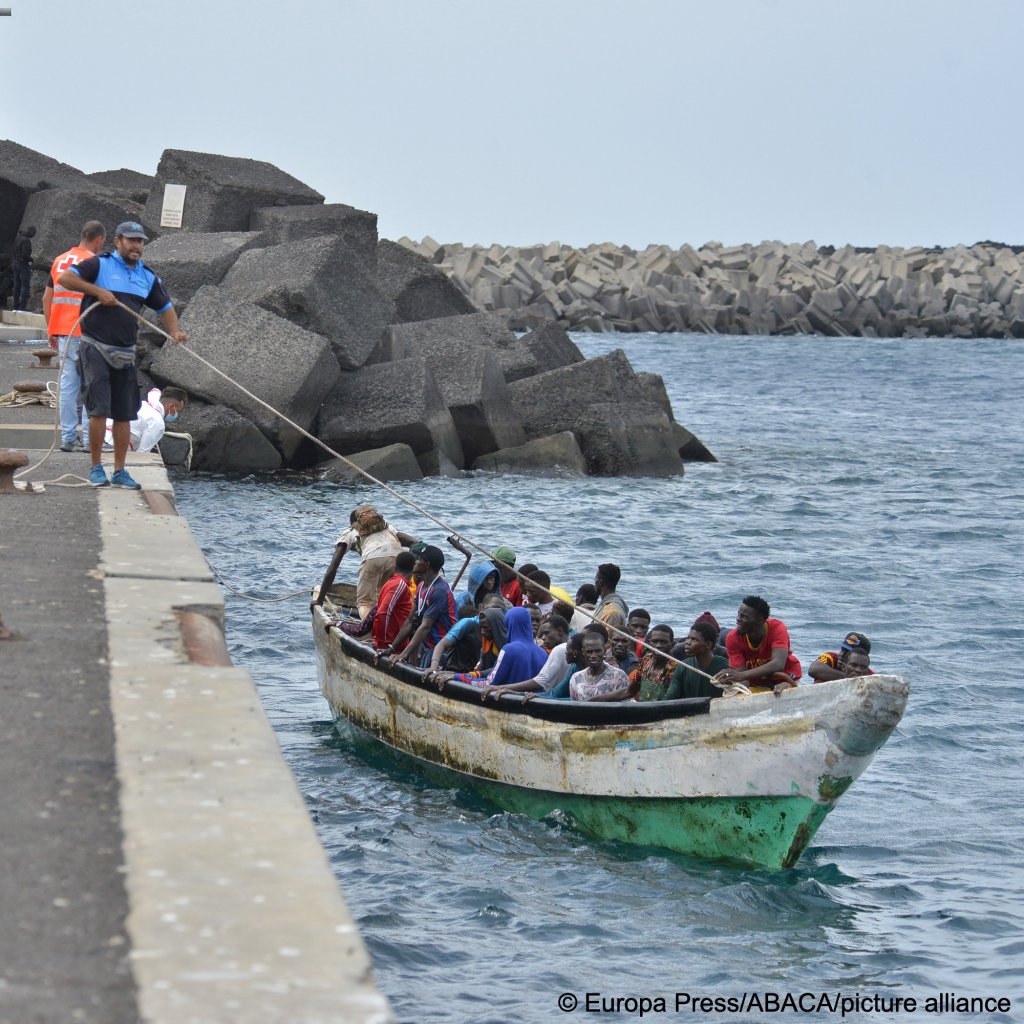
UNHCR slams border controls as 'short-sighted'
The EU announced that it was planning to counteract irregular migrant arrivals by speeding up repatriations of failed asylum seekers, and by tightening security measures at its external borders, like it has been doing in Slovakia.
Against this backdrop of increasing migration flows, far-right leaders across the continent have also been gaining ground, with their populist rhetoric often focusing largely on immigration issues.
UNHCR High Commissioner Filippo Grandi meanwhile urged countries to respect the rights of migrants fleeing conflict or persecution, as guaranteed under the 1951 Geneva Refugee Convention.
"I'm asking quite solemnly that you focus at least on the areas on which we can agree, and especially that people forced to flee their homes due to conflict or persecution have rights as human beings and as refugees and displaced," he told the Executive Committee on Monday.
"The task with which you have entrusted UNHCR is at one of its most difficult moments in our history," he said. "The world is increasingly divided, fragmented and inward-looking."
The UNHCR faces a $650 million (615 euros) funding shortfall this year, while the 2024 outlook is "even more worrying", Grandi added.
He said countries had a right to implement border controls but described focusing on such measure as "both impractical and short-sighted."
With dpa and Reuters