
The UK government has notified asylum seekers due to be housed on the Bibby Stockholm barge, moored in Portland Harbor in Dorset, that they are due to return starting next week. The barge had to be evacuated in August after bacteria was discovered in its water tanks.
The UK's Home Office (Interior Ministry) confirmed that it has begun to inform the 39 asylum seekers, who were housed briefly on the Bibby Stockholm barge in August this year, that they are due to return starting next week (October 19).
The barge has a capacity of 500 in total, but when the first asylum seekers boarded the barge in August, only a small group moved in.
The barge then had to be evacuated in August, after Legoniella bacteria, which is responsible for Legionnaires' Disease, was discovered during routine tests of its water tanks. After being removed from the Bibby Stockholm, the affected asylum seekers said that they had been put back in an "old and abandoned hotel" while the discovery of Legionella was being investigated.
The disease can cause atypical pneumonia or lung inflammation, and can be fatal if not treated properly, particularly in subjects with weakened immune systems.
Most people contract the disease by inhaling the bacteria from either water or soil. Symptoms, according to the Mayo Clinic's website, include headache, muscle aches and fever.
The disease mostly occurs in multi-occupancy buildings and multiplies in water tanks or air conditioning systems.
Health and safety checks
Since August, the vessel has been undergoing a series of health and safety tests to make sure that it is safe for occupancy, reported the BBC. Portland Labour Party councillor Paul Kimber told the BBC that he had been informed that the government would be "trying to get people on board."
Kimber added, "as you can imagine a lot of the so-called asylum seekers are very, very worried about going on board, with the water contamination."
The barge has now been standing empty for 68 days, reported The Guardian newspaper. According to a report by iNews, the empty barge has been costing the Home Office almost £300,000 per week (around €350,000), even though it was originally brought into service to reduce the costs of asylum seeker accommodation.
Regardless of the cost, most local residents say they don't want the barge to be docked there, and have shown their opposition to the idea of having large groups of young men staying in their area during protests in the past.
As the asylum seekers are due to return, the Mayor of Portland, Carralyn Parkes, said she will be challenging the government in the courts on the issue.
The case is due to be heard at the High Court about whether or not a judicial review should begin to assess whether the Home Office's decision to moor the barge in Portland Harbour is legal or not.
Since the early part of the year, the UK government has repeatedly stated that the barge is part of its policy to cut down the expense of emergency hotel accommodation for asylum seekers and migrants in the UK, which the government says cost them more than £8 million per day (about €9.2 million).
Meanwhile, pro-migrant campaigners say that providing accommodation on the barge in a port, which is part of a national high-security area, essentially amounts to leaving the asylum seekers in prison-like conditions.
Alternative accommodation to cut costs
The government has also been trying to use former airfields and military barracks as accommodation for asylum seekers around the UK, but most of those projects have also been met with heavy opposition.
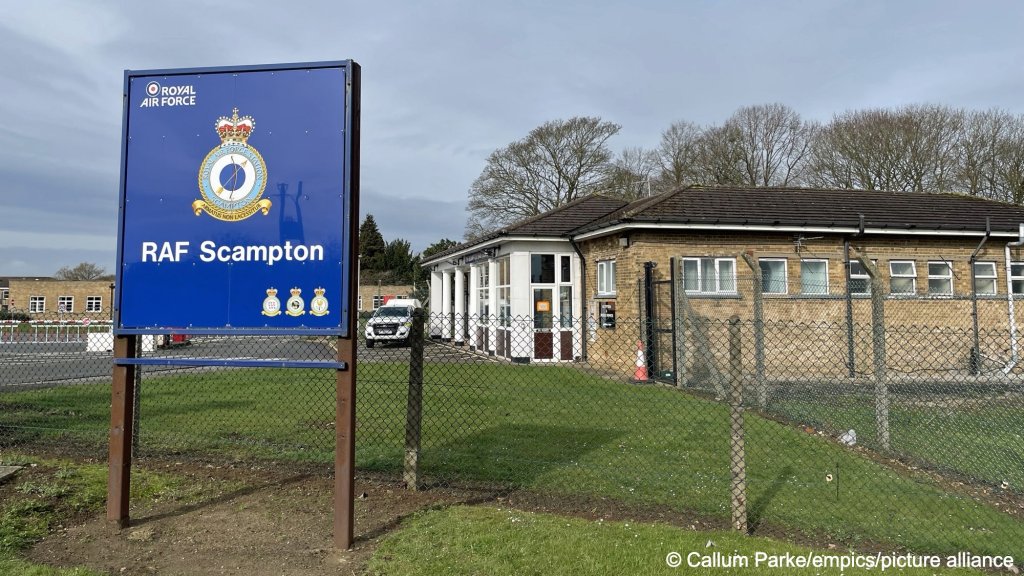
The Home Office states that "delivering alternative accommodation sites, such as the vessel, is more affordable for taxpayers and more manageable for communities, due to healthcare and catering facilities on site, 24/7 security and purpose-built safe accommodation they provide," reported the BBC.
The statement added that the safety of all those on board the Bibby Stockholm "remains our utmost priority," and said they would continue to work with the local authorities in Dorset and local health providers "to ensure all health and safety protocols were followed."
Those who are due to go back on board expressed their "shock and fear" as well as "concern" in an open letter dated August 25, which was published on Facebook.
They called the government’s decision to move them on to the Bibby Stockholm a "harsh tragedy," and called the barge "an unsafe, frightening and isolated place," in particular in light of the discovery of the Legionella bacteria on board.
Life on board described as 'terrifying'
In the open letter, the asylum seekers write that "because we are law-abiding individuals and wish to be recognized as responsible and good citizens in society, we decided to accept the authorities' decision and, despite all the stress and disappointments, act according to the written directive from the Home Office."
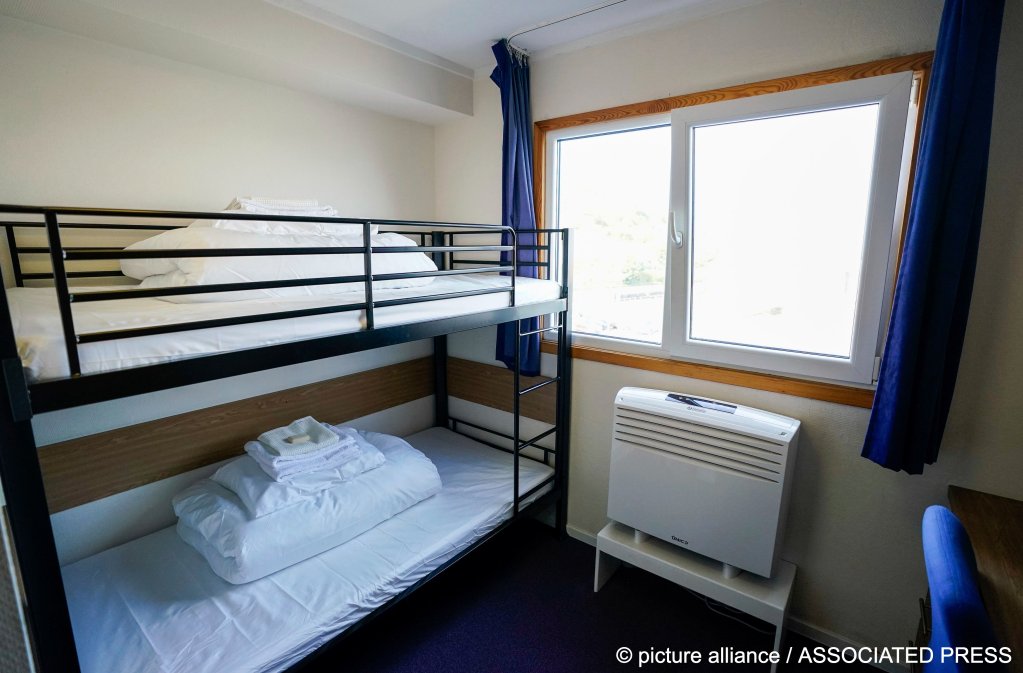
They also point out that while "none of us are criminals or had committed any wrongdoings," life on board the barge was "confined" and subject to "strict security regulations." They said the rooms were small, and that they found the barge to be "terrifying," with "no access to the city and normal life."
The government meanwhile says that asylum seekers ordered to go on the barge have no choice in the matter: In August, when the last asylum seekers boarded the barge, it was reported that the government had threatened to withdraw its welfare support from those who refused to board.
The Guardian however reported that at least 20 people did successfully refuse to board.
Last week, British actress and human rights campaigner Vanessa Redgrave was reported to have donated £4,000 to a legal fund to oppose the use of the barge to house asylum seekers.
It has not yet been reported whether any additional asylum seekers will be told to board the barge at this point.