
Slovak elections over the weekend handed a mandate to a party promising to get tough on migration. As Robert Fico’s coalition starts negotiations, Austria, Poland and the Czech Republic have coordinated to tighten their borders with the landlocked country.
Austria, Poland and the Czech Republic this week announced a coordinated plan to amp up patrolling of their borders with Slovakia. The scheme came into force early Wednesday morning, officials say.
Austrian Interior Minister Gerhard Karner said the country will patrol its border with Slovakia for the "next ten days", German news agency dpa reports.
"We have to disrupt the traffickers with full force," said the conservative politician, a member of the Austrian People's Party (ÖVP).
The announcement of the new border checks comes just days after Slovak elections, which took place over the weekend. Former Prime Minister Robert Fico looks likely to return to power -- his left-wing populist coalition SMER-SSD won 23% of the vote and have a mandate to begin negotiations to form a new government.
One of the coalition's election promises was to get tougher on migration amid reports that the number of migrants crossing Slovakia's borders from the so-called Balkan route have been growing. Slovakia announced tighter border controls ahead of the elections.
'Random checks'
Czech Prime Minister Petr Fiala announced his country's checks on X (formerly known as Twitter) on Tuesday. Like Karner, Fiala said the controls are a response to an uptick in migration. He said the new temporary measures would mean that anyone crossing the 250-kilometer border between the Czech Republic and Slovakia could be subject to "random checks."
"We are not taking this lightly and are reacting rapidly to the situation that has arisen," Fiala told dpa.
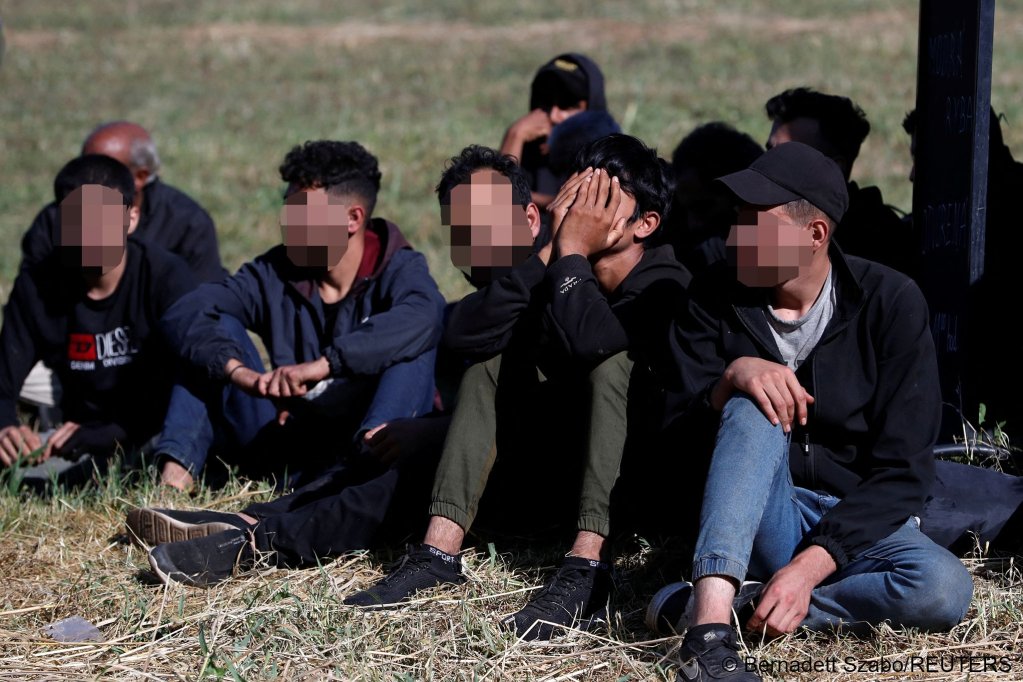
Poland, which recently reported more and more migrants attempting to cross its territory from the so-called Balkan route and on in to Germany, also made public announcements of tighter border controls ahead of its own elections later in October.
Polish Interior Minister Mariusz Kaminski said on Tuesday that Polish border authorities had "detected and detained 551 illegal migrants at the border with Slovakia" in recent weeks. He told Reuters that these figures "cause us to take decisive action."
Initial controls due to last ten days
The new temporary controls, initially scheduled to run for ten days, have angered Slovakia. Up until now, the country has been aligned with its neighbors in opposing many of the European Union’s migration plans -- in particular the initiative to relocate migrants from southern Mediterranean countries across the bloc.
Caretaker Prime Minister Ludovit Odor said he would react to the new scheme on Wednesday, adding that the patrolling of borders should be decided at a European level, not by individual countries.
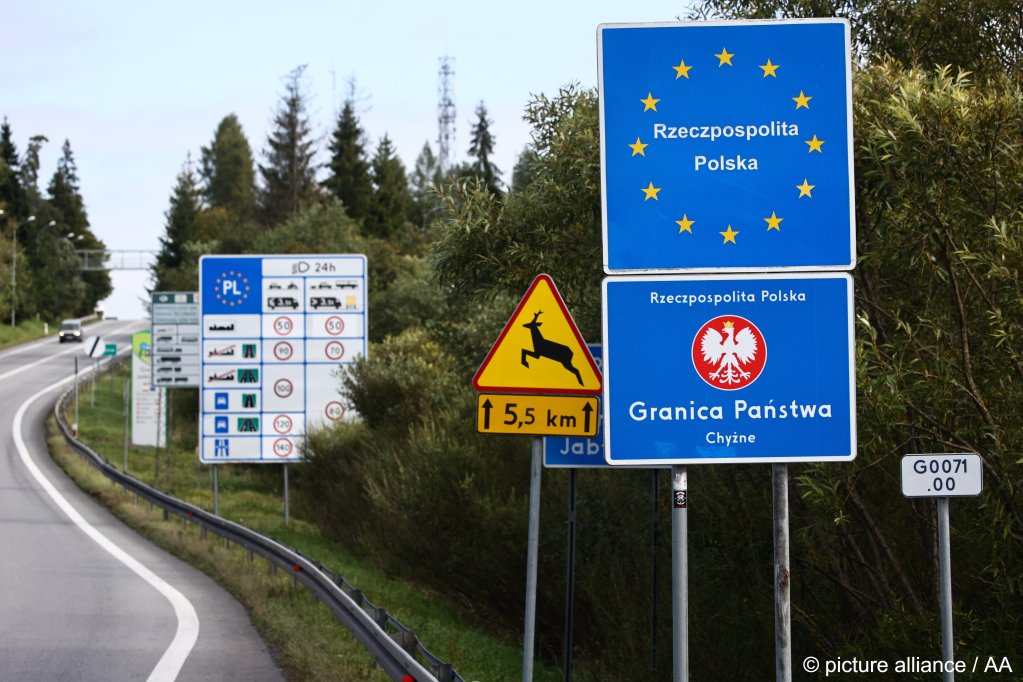
Germany’s Interior Minister Nancy Faeser already announced last week that Germany would be conducting "additional flexible checks on trafficking routes on the border to Poland and the Czech Republic."
Fico will prioritize renewed controls at Hungarian border
German police at the border with Poland and the Czech Republic have been reporting increasing numbers of migrants without papers arriving in cars and small vans. Normally all these countries, under Schengen free travel regulations, should have open borders with their neighbors, but temporary suspensions of this free travel are allowed.
On Tuesday (October 3) Fico himself said he thought Slovakia should reinstate border checks with Hungary, according to online news outlet Schengen Visa Info.
"One of the first decisions of the government should be renewing border controls with Hungary," he said.
Fico told the English-language Polish news site TVP World that the checks would prevent more migrants from entering Slovakia irregularly and journeying on into the EU.

Prior to the election, Fico criticized previous Slovak incumbents of not doing enough to contrast irregular migration. In order to form a government, Fico will need to convince a rival party to take up power with his coalition.
Data provided by the Hungarian authorities shows that Hungary has already prevented around 100,000 migrants from crossing the border to Slovakia without papers in the first three quarters of 2023, Schengen Visa Info reports.
The numbers counted are attempted crossings, rather than individuals, as many migrants attempt to cross the border a number of times before either succeeding, giving up or trying another route.
'Virtually impossible' to completely seal Hungarian border
Many of those entering Slovakia are young male migrants from Afghanistan, Syria and Pakistan, Reuters and Schengen Visa Info report.
The current caretaker government in Slovakia has said that although it wants to stop irregular migration, it would be "virtually impossible" to seal the country's borders entirely, in particular the 655-kilometer border with Hungary.
Prior to the election, Slovakia’s government sent 500 soldiers to the border to help Slovak police with border patrols.
In September, Slovak authorities reported that the number of detentions of migrants crossing the borders without papers has increased "ninefold" to more than 27,000 this year, reported Reuters.
With dpa and Reuters