
The German reception program for at risk Afghan nationals has yet to evacuate anyone, the program has been criticized for being ineffective and providing false hope to those in danger.
The German government's reception program for at risk Afghan nationals, launched in October 2022, has been criticized for being ineffective and chaotic. Lengthy delays, poor communication and organization, as well as major bureaucratic hurdles have left many Afghan nationals waiting in limbo. Some civil society organizations have even accused the government of giving false hope to vulnerable people still in the country, thereby exposing them to greater risk.
A spokesperson for the German foreign office states that to date, the German government has been able to offer "the prospect of admission" to Germany to more than 44,000 particularly vulnerable Afghan nationals and their eligible family members under the reception program. These include more than 25,200 persons who were employed by a German government department in Afghanistan -- former Afghan local staff and a further 18,800 Afghans who face high risks "because of their commitment to a democratic Afghanistan".
However, the fact that it is only the "prospect" of being admitted is key here, as no one has actually been evacuated since the program began almost a year ago.
The German government argues that the program is working and that Germany has "continued to endeavor to help people in Afghanistan" and that the government "wants to continue assuming the same level of responsibility and is doing so" by running its federal admission program.
Also read: Germany takes in highest number of Afghan refugees in EU
Who is eligible?
The foreign office states that the program seeks to help Afghan nationals who have exposed themselves to particular risk. These include women’s and human rights activists, or those who previously worked in justice, politics, the media, education, culture, sport or academia. In addition to groups that are at particularly high risk of violence or persecution based on gender, sexual orientation, gender identity or religion.
One key caveat, is that only those currently residing in Afghanistan can be considered for inclusion in the program. This poses particular issues for people at grave risk, exposing them to attacks by the Taliban and forcing many to go into hiding.
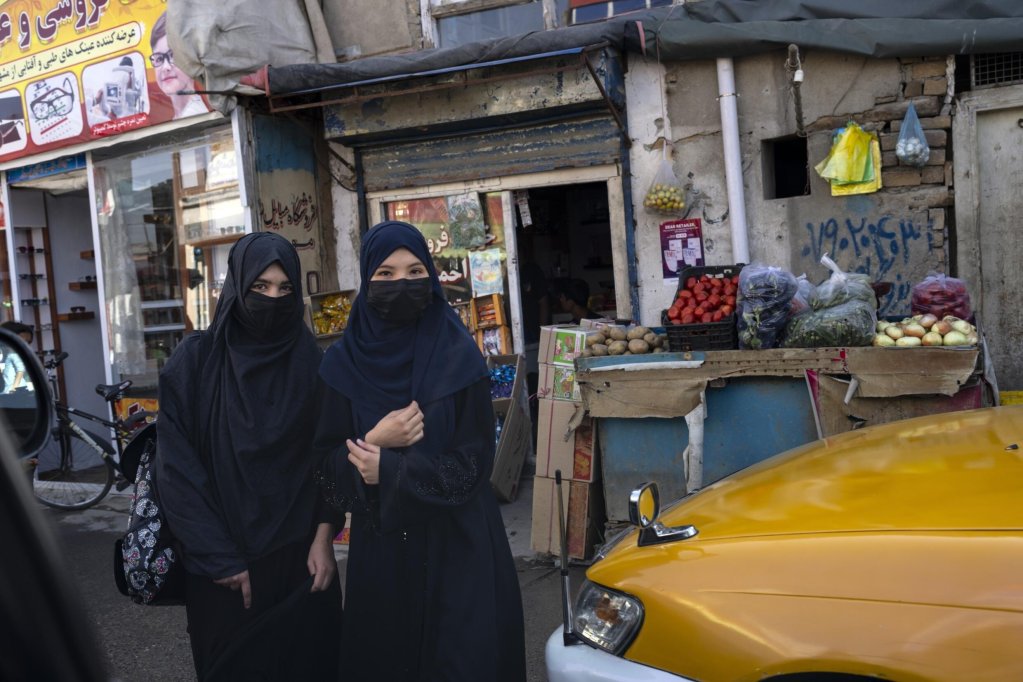
Tareq Alaows a spokesperson for the German immigration advocacy organization Pro Asyl, tells InfoMigrants that "many people are very vulnerable. They can be found by Taliban, arrested, tortured. A lot can happen".
"All are in need of protection. For example people who were acutely threatened and went to Pakistan could not be admitted because you must be in Afghanistan to be eligible," he says.
Individuals on the program's list are identified by the German government with the help of civil society organizations. This effectively means that only those who have been selected by an NGO are able to be admitted to the program.
The structure and functioning of the program is somewhat unorthodox, critics have noted, because it relies on NGOs to both select and process applications.
Also read: Fearing for their children: Over 100 evacuated Afghans protest outside ministry in Berlin
How does the program work?
Christoph Sander a spokesperson for the German government's Federal Office for Migration and Refugees (BAMF) clarified that there is "not an application process; rather, agencies authorized to report under the program may propose persons known to them or persons known to them through affiliated, reliable, and trustworthy organizations."
These "authorized agencies" are civil-society and non-governmental organizations which have been designated by the German government to propose persons for inclusion in the program with the support from a coordinating office. Individual applications for the federal admission program are not possible.
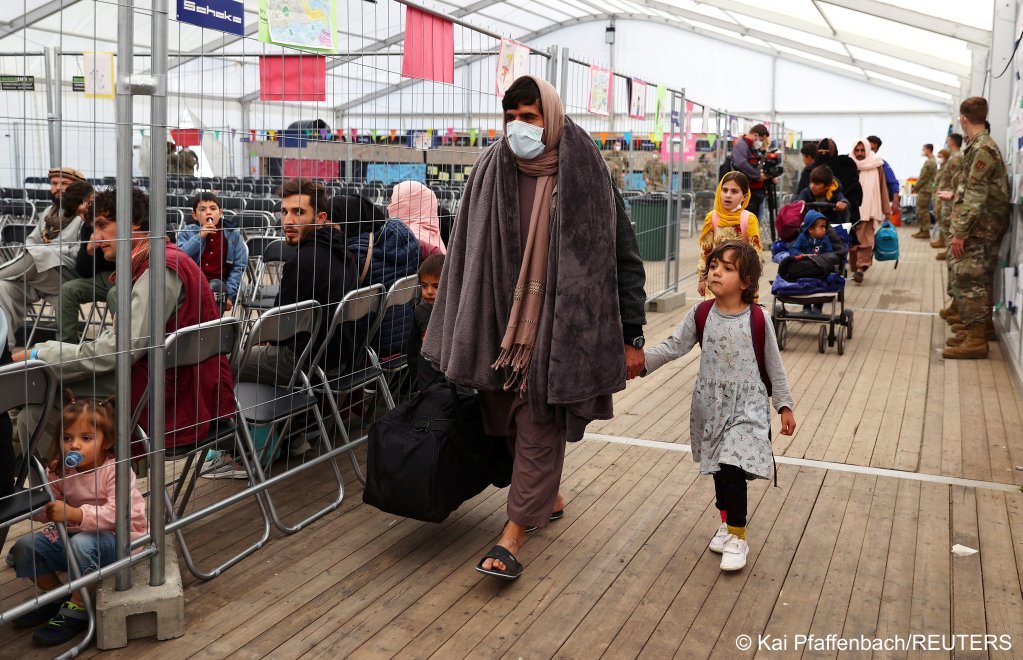
Criticism of the structure of the program and its selection process also comes from some quarters of the NGO community. Herta Mirea, a spokesperson for Kabulluftbrücke, (Kabul Air Bridge) a German NGO focusing on evacuations from Afghanistan, explains that effectively, the NGOs do all the work and the interior ministry makes the decisions "NGOs want to help but they are forced to do so, it is not cooperation but rather a forced marriage."
Also read: Some German politicians call for resuming deportations to Afghanistan
Selection criteria
The selection criteria are relatively broad because the admission program is aimed at a range of people: Those at high risk, former local staff, family members of people already evacuated as well as people seeking protection for humanitarian reasons.
After being processed by the NGOs these applications are then vetted and the data is uploaded onto a database which houses a large pool of eligible applicants. However, because the number of spaces are limited it is unclear which criteria would then lead to eventual inclusion on the program. According to Sander, the government will select persons for inclusion in the program "at regular intervals on the basis of the proposals submitted and defined selection criteria".
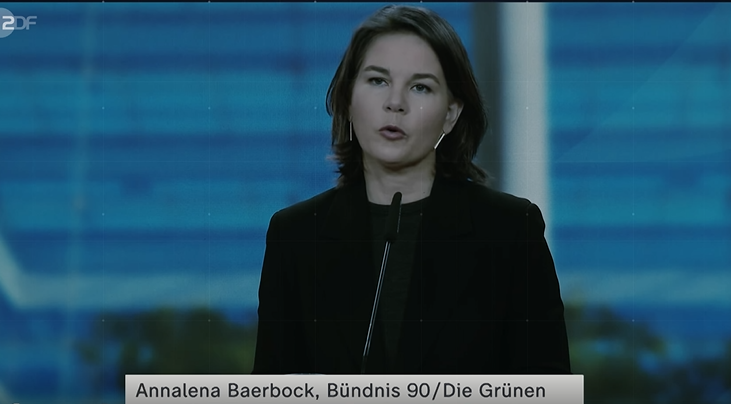
Sander explains that "inclusion" includes the primary person as well as members of the nuclear family (a spouse and minor unmarried children) or, if credible, a same-sex domestic partner. In addition, family members can be taken into account if it can be credibly demonstrated that they are "are in a special, not only economically dependent relationship to the main person or/and are in a concrete and persistent situation of threat, which is directly related to the threat to the main person," he says.
But Alaows is critical of the criteria stating that "as long as they only have a single reception program it won't work well". He notes that it needs at least four clear categories of risk, including those at immediate high risk, local staff, those who are seeking to join family members who have already obtained protection overseas, and a separate program for humanitarian cases. "If it just continues as it is now, it won't be a fair and equitable intake program," he thinks.
Also read: Afghans at risk: Where to seek help
'It's a lottery'
"It's a lottery" says Alaows, when asked in more detail about the selection criteria. He notes that the German interior ministry recognizes that most applicants are vulnerable and therefore a large number should be eligible for the program.
However, due to the limited capacity of the program itself, the selection process is more like pulling a name out of a hat. "They focus on particular groups, for example one month they will select applications from women activists, one month LGBTQ+ persons, one month human rights activists etc," Alaows claims.
Sander states that as of September 7, 2023, so far under the framework of the federal admission program, positive admission decisions have already been made for more than 450 persons. "These persons will be contacted successively and informed about the further steps regarding the possibilities to leave the country," he states.
Mirea notes however, that only those who receive a positive decision will be contacted, making the wait even more excruciating, some waiting for years for a positive decision that may never come.
Also read: France evacuates Afghan women over fears of becoming targets for Taliban
A separate program for local staff
Perhaps confusingly, the federal admission program is not the only program which admits Afghans to Germany. There is also a "local staff procedure" which has already accepted applicants and airlifted them to Germany.
This year, according to Interior Minister Nancy Faeser, the local staff procedure has taken in about 20,000 former Afghan local staff and their family members. According to the foreign office, the local forces procedure should be considered independently to the federal admission program -- but local staff may be eligible to apply for both.
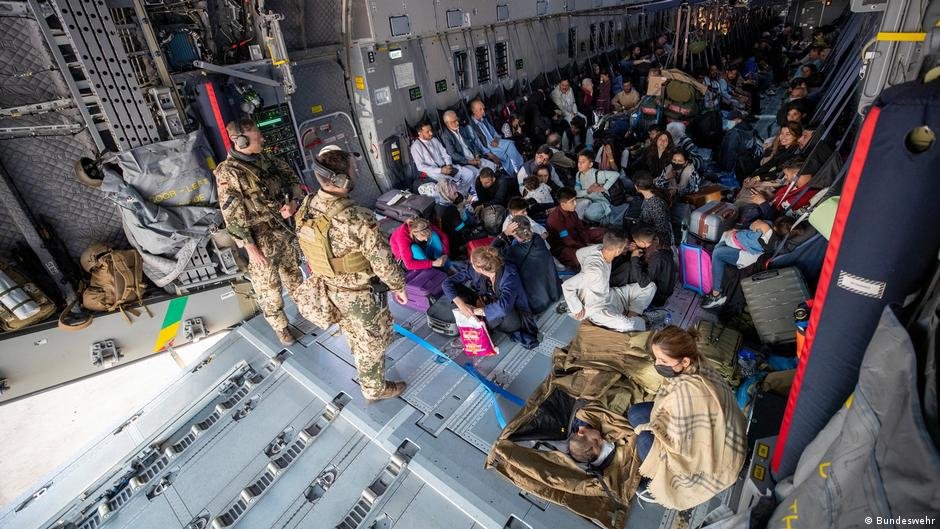
The local staff procedure is open to all local staff who were directly employed by a German department as of 2013 and who are directly at risk, either directly or indirectly, due to their work. The procedure also applies to local staff who worked indirectly for the Federal Foreign Office at a cultural intermediary organization (e.g. DAAD, Goethe Institute) or for the Federal Ministry for Economic Cooperation and Development at a bilateral development cooperation institution.
A spokesperson from the foreign office tells InfoMigrants that former Afghan local staff can continue to submit hazard notifications directly to their last employer in an unbureaucratic manner. No NGOs are involved in the local staff procedure.
Also read: Afghanistan: What happened to Germany's local staff?
Delays and safety concerns
Back to the federal admission program. Speaking to InfoMigrants, Berlin-based women's rights advocate, Mariam Arween, herself originally from Afghanistan, says that the role of NGOs appears to be "somewhat ineffective," explaining that while they seem to primarily focus on data collection, they have struggled with processing it. This may have complicated the process still further she thinks.
"The data collection process itself appears to be poorly categorized, which I believe is a major contributing factor to the failure of NGOs in this regard," she says, noting that in the past, data collection was more organized and efficient.
When the evacuation process was handled by NGOs, it took an excessive amount of time, resulting in the accumulation of a vast amount of data, Arween says. "This data proved challenging for the NGOs to sort through and consolidate effectively, ultimately leading to a situation where those who were truly in need of evacuation were left stranded in Afghanistan."
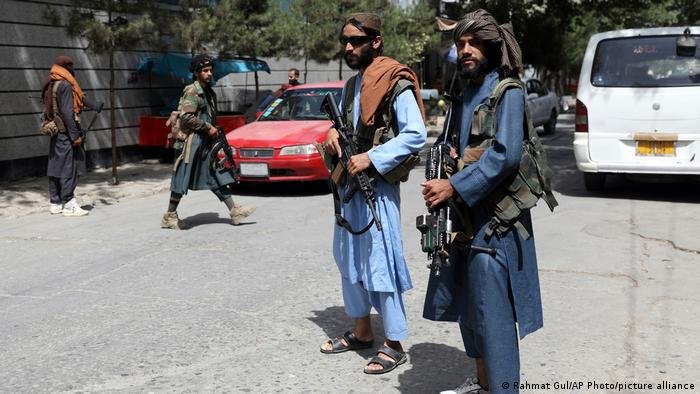
The German embassy in Kabul remains closed, therefore anyone admitted to the program will likely have to leave the country via Pakistan, which has its own entry regulations.
"The absence of an embassy in Afghanistan...makes obtaining a Pakistan visa an extremely challenging task," says Arween.
The German government claims it has no influence on some factors affecting the departure of Afghans at risk from Afghanistan to Germany. Sander states that persons who are to be admitted to Germany under the program will, as far as possible, be assisted by the German government in leaving the country as the visa procedure only takes place after departure in a transit country. "Currently, the only exit route is via Pakistan as a transit state. The German mission abroad and the other authorities involved are making every effort to complete the procedures quickly," he says.
However, the visa application process itself is arduous and time-consuming, explains Arween, often taking several months. Furthermore, she says, the extension of a Pakistani visa is "no simple matter" and often relies on under-the-table payments on the black market.
"Unfortunately, Pakistan's interactions largely revolve around the business of issuing visas, which only exacerbates the problem for individuals seeking stays in Pakistan," she adds.
Also read: Report: 14,000 people from Afghanistan still waiting for transfer to Germany
There is a way, but no political will
In March 2023, the German interior ministry and foreign office decided to establish adapted security mechanisms for persons who have been granted admission to the program. The foreign office states that this was a response to alleged "individual cases of attempted abuse that had come to light in the visa process and had been stopped".
In practice this means that in order to qualify for the program, prospective candidates must go through additional security checks once they reach Pakistan, explains Mirea This creates further hurdles for those at risk.

Until those additional checks were in place, departures were halted. In theory they started up again at the end of June 2023. The German Foreign Office says that it is now focusing on individuals on the program who had already reached Pakistan and Iran. Local staff still in Afghanistan have also been contacted, and the Foreign Office says they are being assisted with leaving the country, if they meet the requirements for entry to Germany.
However, in relation to the reception program NGOs remain skeptical, still waiting for the first actual evacuation under the program. Speaking to InfoMigrants, Alaows says "it is not a favor, it is a responsibility for Afghanistan. There is no political will to take them in, only reasons why it is not possible."
Adding that "there is a way there is just no will."
Also read: Germany resumes Afghanistan reception program
Impact on those seeking protection
"The situation in Afghanistan remains dangerous, human rights continue to be restricted, people are arrested and tortured," Alaows tells InfoMigrants.
Mirea warns the program is an "accident waiting to happen." People are forced to stay in the country for longer due to "bureaucratic incompetence," he says. Adding that "this is a financial issue because the federal government is not willing to pay for this mistake".
Speaking to InfoMigrants Arween says: "Sadly, we have experienced the loss of numerous individuals who were awaiting evacuation. They have fallen victim to various methods of assassination, and another peril linked to prolonged waiting is the psychological strain. The evacuees live in fear of being recognized."
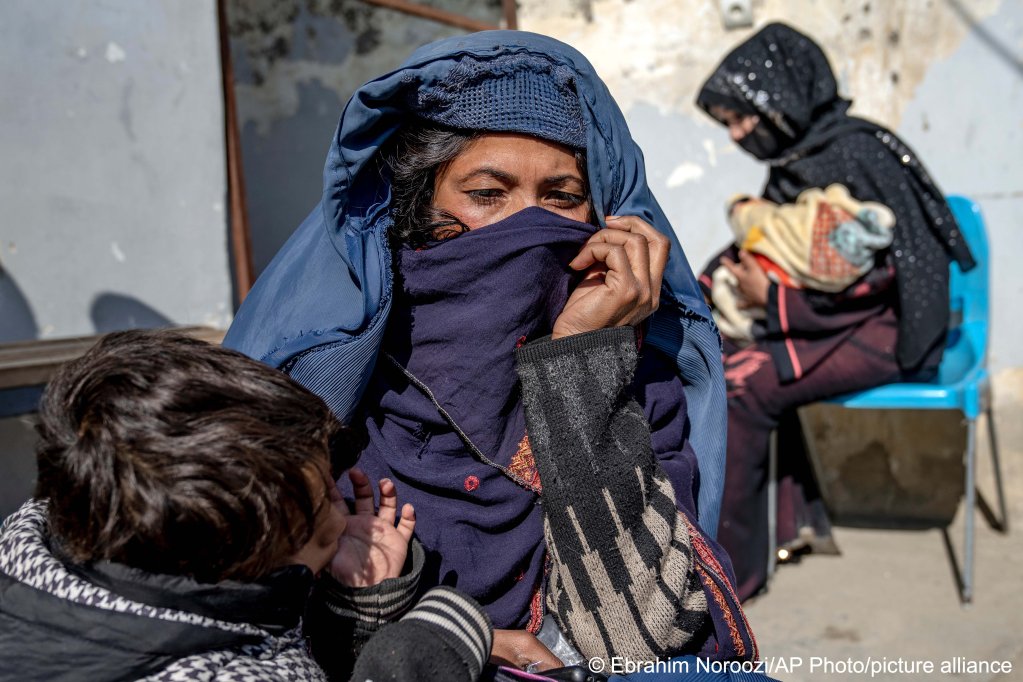
Arween tells InfoMigrants "I believe that hiding is not a permanent solution, and the cost of concealment is also excessively high. Regrettably, this method does not provide lasting security or safety."
Also read: Report accuses EU of 'staggering neglect' of Afghan asylum seekers