
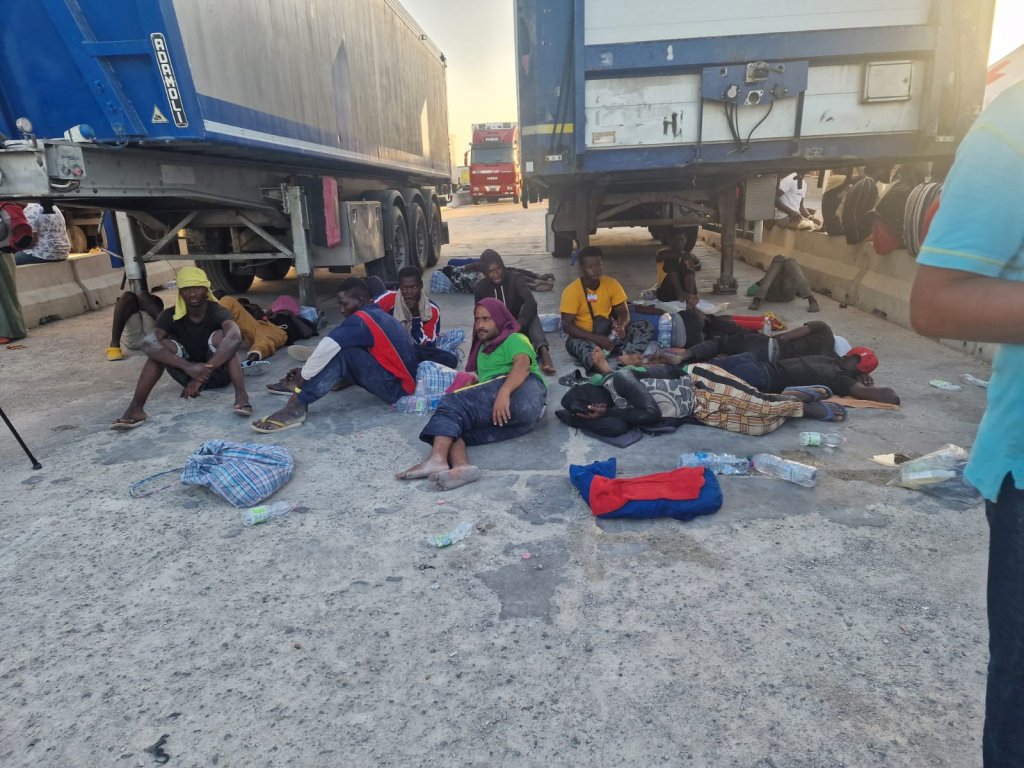
As the number of migrants exceeded the population of Italy's small island of Lampedusa at the end of last week, headlines concentrated on tensions and chaos. But many of the island's residents are trying their best to help by offering water, clothes, and even ice cream to the new arrivals.
"We know what to do," repeat many of the residents of Lampedusa who speak to InfoMigrants about the ways in which people have been helping migrants over the last week. The island's small population, of just over 6,000 has been watching the numbers of migrants arriving on their island go up and down for many years, and in some ways they are used to it, and used to coming together to help out where they can.
That doesn't mean though, that some of them don't also feel abandoned by successive Italian governments in far-away Rome. Lampedusa is in fact closer to the Tunisian coast than it is to Rome or the rest of mainland Italy. When the Italian Prime Minister Giorgia Meloni visited along with European Commission President Ursula von der Leyen on Sunday, some residents tried to convey to them that in their eyes "nothing has changed since 2011."
Before the arrival of European and Italian dignitaries and politicians, some Lampedusa residents held a protest at the quayside in Favaloro. They wanted to try and prevent the authorities constructing tents on the pier and creating additional migrant camps on the island. “We don't want to be like Lesbos,” they told the Italian press during the protest lead by the island's mayor Filippo Mannino and the vice-mayor Attilio Lucia.
Helping is in islanders' DNA
Partly because of their very geography, migration has always been a theme for residents of Lampedusa. They are used to people coming and going by sea, and many of their own population will migrate to Sicily, the Italian mainland or even further afield, to pursue studies, employment or other life choices.
Because of this close personal experience with migration in all its forms, many Lampedusans feel that opening their doors to migrants is just "part of their DNA." In this spirit, one local church, San Gerlando opened a little house called "Casa della fraternità" (House of brotherhood) to provide a sanctuary for some of the most vulnerable arrivals. "We didn’t eat for three days, we spent many hours in the boat with the sun beating down on our heads," explains Aboubakar, a young migrant from Mali, who has found solace at the church.
Every day in front of the church of San Gerlando thousands of migrants wait for a dish of pasta given out by the volunteers. Tourists buy pizzas for them too. Mohammed a 24-year-old from Senegal is there trying to help. "We are helping the Lampedusa people help our brothers," he explains.
"It’s like an apocalypse" comments Don Carmelo Rizzo to InfoMigrants. He is busy trynig to sort all the donations he has been receiving from Lampedusan residents. On the steps in front of the church, locals have been leaving clothes, shoes, homogenized food, diapers, medicines and whatever else they think might be needed to cope with the sudden increase in the numbers of arrivals.
'We are tired'
Inside the house, a group of Eritrean girls are busy with notebooks and pencils provided by volunteers from the charity Mediterranean Hope, the refugee and migrant program run by the Federation of Protestant Churches in Italy, which has been operating in Lampedusa since 2014.
The girls are covering their new notebooks in picture of the sea and the boats on which they arrived. In between drawing, they try and sleep. "We are tired," they say. Two of the volunteers helping to prepare rice, tomato and chicken for residents at the house, Grazia and Enzo said at first they really worried about the girls, "because they slept so much they appeared never to wake up." Now they have realised that after such a long and traumatic journey, the girls just needed time to process, and catch up on several missed nights of sleep now that they are finally feeling a little safer.
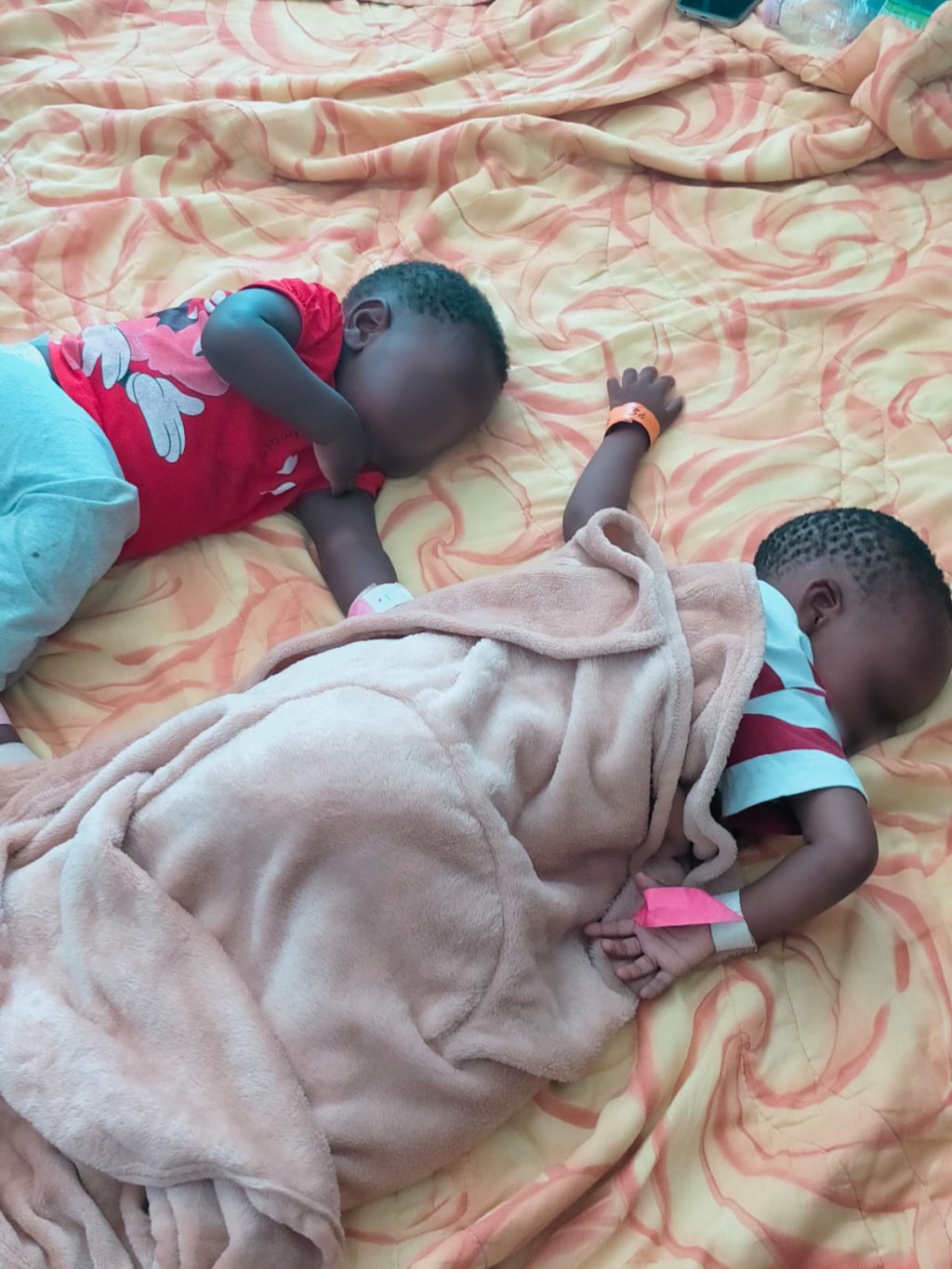
One of the most vulnerable residents of the house, is a child of just three years old. He arrived on Lampedusa without his parents, traveling in an iron boat which left Sfax in Tunisia. One of the nuns who has been looking after him has nicknamed him Moses, explain the volunteers. Now, residents of Lampedusa are trying to find a way to adopt him, they say.
Scarred by shipwrecks
The events of the last week are not particularly surprising to Lampedusans. They witnessed similar scenes back in 2011 when more than 6,000 Tunisian migrants arrived on the island following the onset of the so-called Jasmine Revolution and the start of the Arab Spring.
From that date, the numbers of wooden boats arriving from Tunisia and other countries in North Africa continued. Tragedies, like the shipwreck that marks its tenth anniversary soon, in which 368 people died near the Isola dei Conigli (Rabbit island) off Lampedusa, have scarred the memories of many too.
Vito Fiorino and his crew came to the rescue of some of those on board that shipwreck. Fiorino and his crew pulled 47 migrants from the sea and brought them on board his private boat, the Gamar. He also raised the alarm with the Italian Coast Guard. He remembers scores of oil-soaked hands reaching at him from the sea.
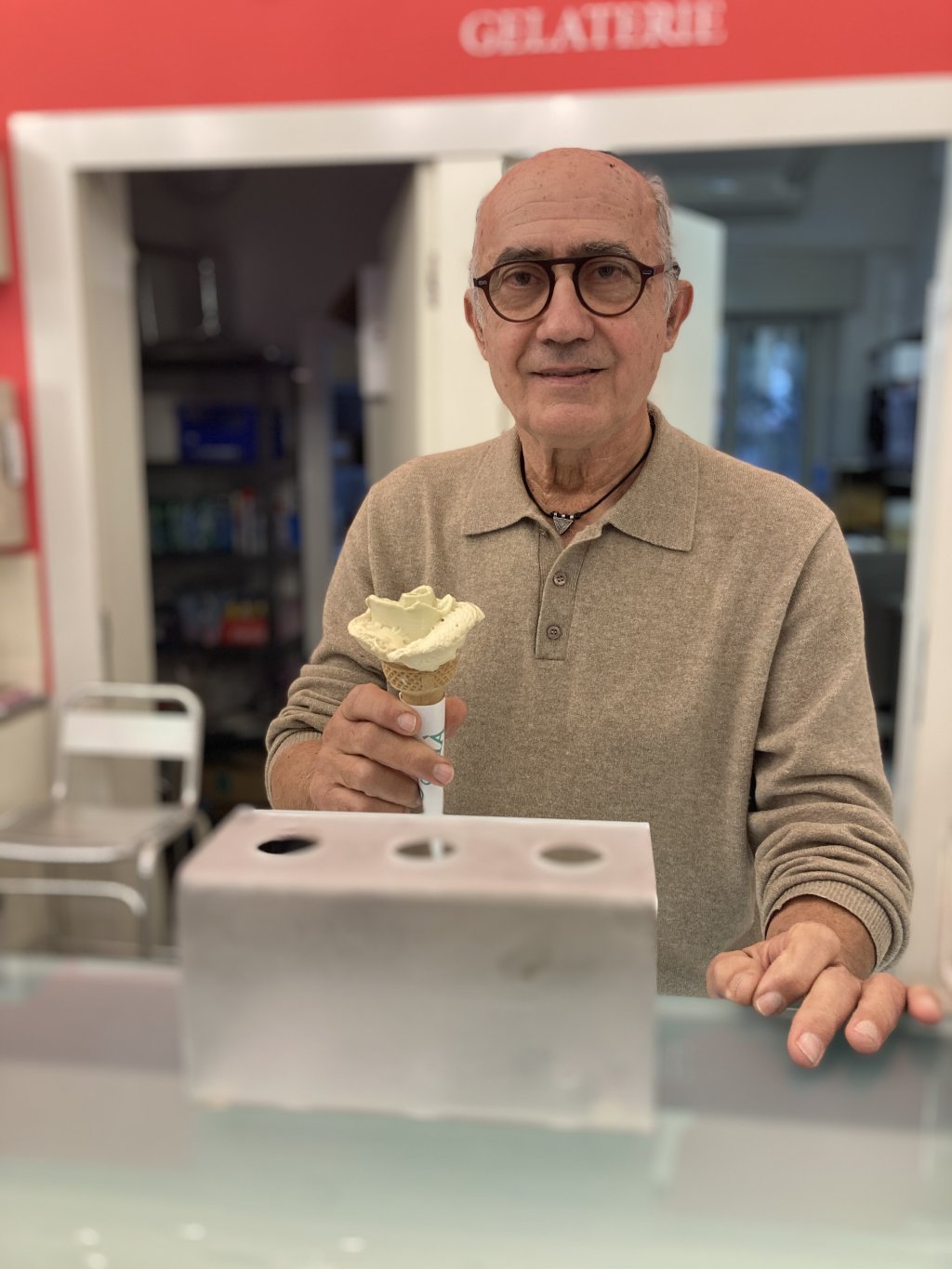
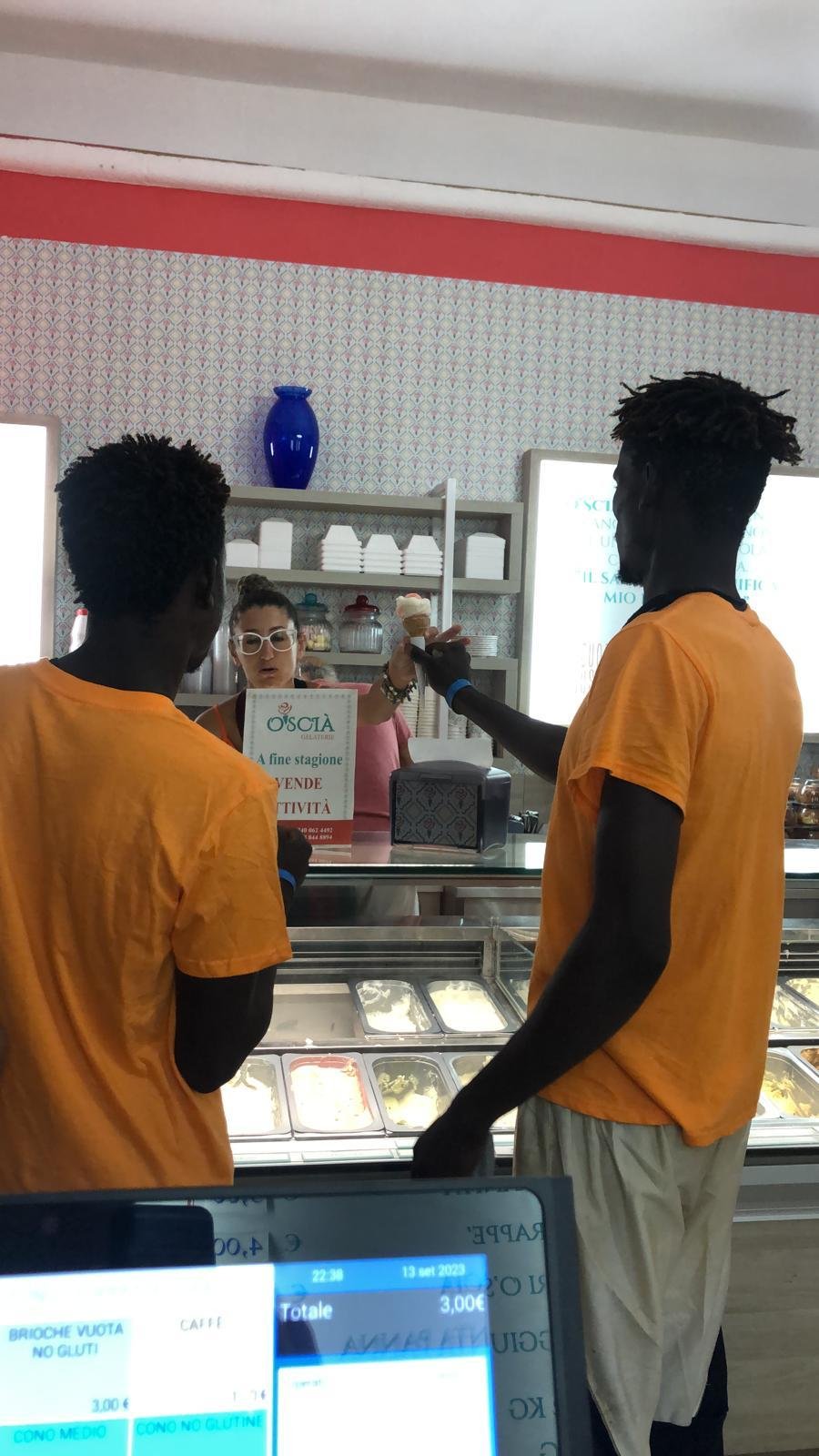
"These days we are experiencing what we experienced in 2011 and subsequent years. Nothing has changed," explains Fiorino from the ice cream shop, O'Scia, he owns and runs from the main street on the island. Fiorino's desire to help is also still strong.
As the numbers on the island of migrants outstripped residents, Fiorino wanted to do his bit too. Other residents were spontaneously buying food, milk, medical items and clothes for migrants in supermarkets and Fiorino had ice cream at his shop, so he decided to offer that. "It was normal to give out free ice cream to them, I could see how tired and sad they were, I just wanted to help," he said.
Last week, his shop developed long queues. "My colleagues and I started to prepare ice-creams at 9pm and we finished at 1am, he says of the first night of arrivals. At the beginning there were around four people waiting outside, then word spread and there were 400 queuing," explains Fiorino. He says he also received some negative comments on his Facebook page, but he is "not undeterred by this."
'They call me Papà (Dad)'
As the tenth anniversary of the Isola dei Conigli shipwreck draws near (October 3), Fiorino is gearing up to host some of the Eritrean people he helped rescue on that horrible day. "They call me papa, father," he says proudly. Fiorino was instrumental, along with others in errecting the memorial on the island for those who perished in this shipwreck.
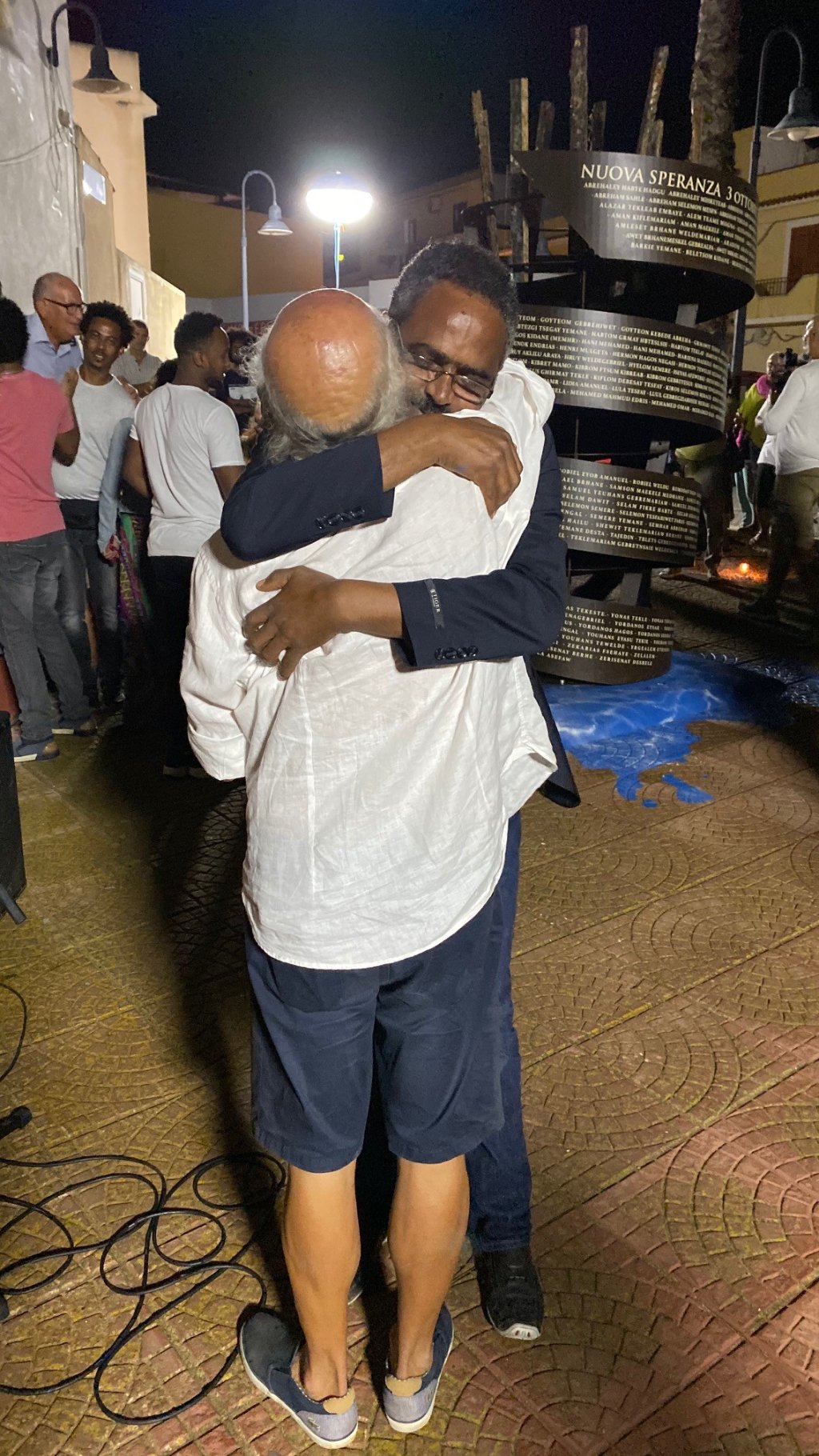
An assocation, Gariwo - Gardens of the Righteous Worldwide, which was formed in Milan at the turn of the century to recognize those who help their fellow citizens, particularly to save them from genocides designated Fiorino a "Righteous of Humanity" for his help in saving some of those from the sea.
"Everyone in Lampedusa is doing his best, we are buying whatever they need, but we are alone, the State is not present," says Giandamiano Lombardo, president of hoteliers association in Lampedusa wearily.
In every corner of the island there is a story of solidarity. Antonello Di Malta is a fire-fighter employed on Lampedusa. After helping his colleagues at the Molo Favaloro pier using water pumps to cool migrants down, he went back to his home where a group of migrants were asking for food.
Di Malta explained how much of an effect his work had had on him. Seeing how thirsty and tired the arrivals were all day, he felt compelled to continue helping even after his shift was done.
'Mother Theresa'
"With their fingers they pointed to their mouths to tell us they were hungry, so I called my mom and we prepared two large pots of pasta. That night I had a dinner with a group of friends, I said I wouldn't go," says Antonello, instead he welcomed a group of 10 youngsters from Burkina Faso into the house.
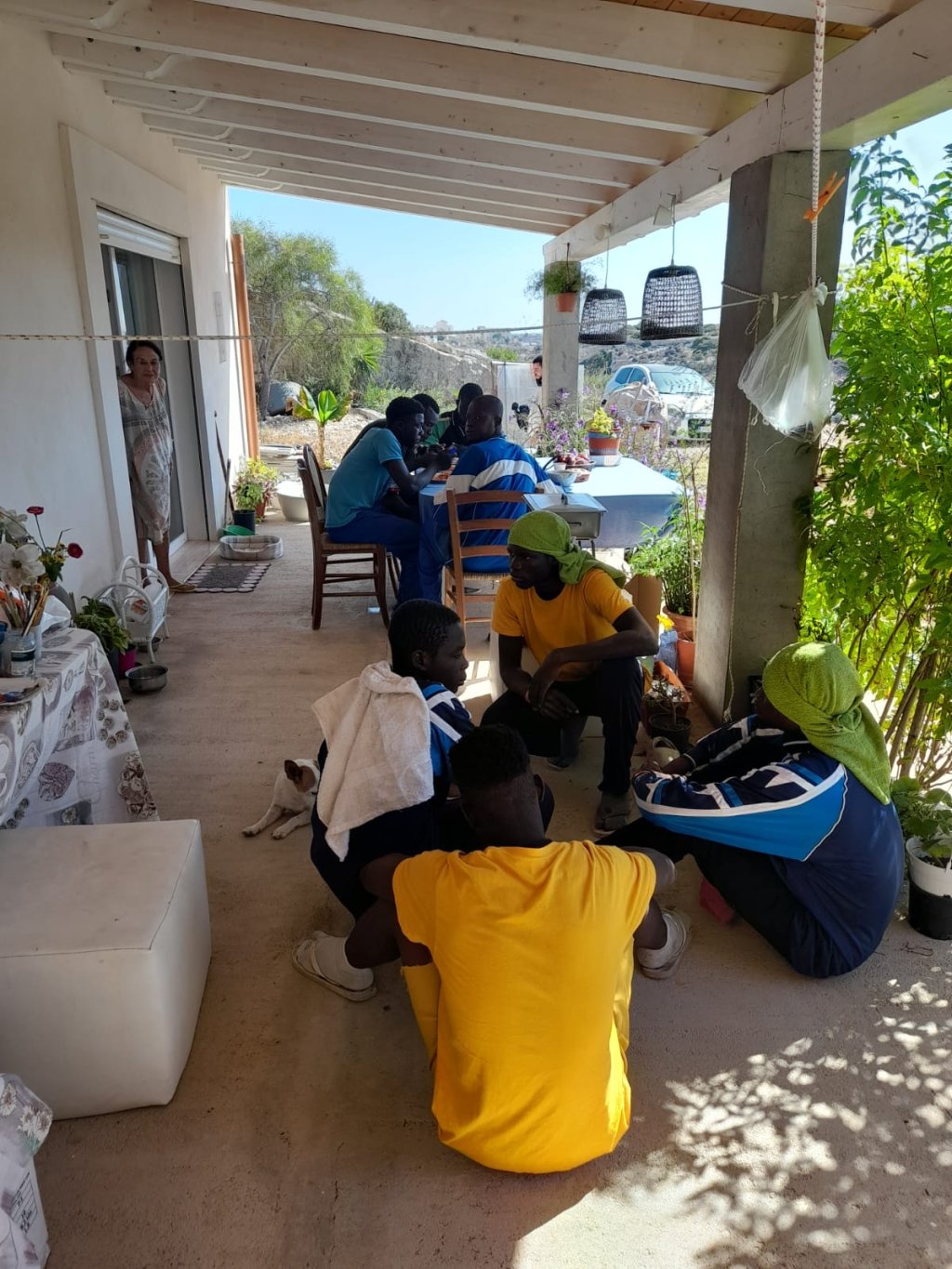
"What struck me the most was seeing them eating the carob and prickly pear figs with the peel in the gardens nearby." The next day other migrants knocked on his door, "We cooked pennette with a tomato and chili sauce, I was not afraid and I will never forget their sweet eyes. One of the boys eating the last grain of pasta looked up at the sky and thanked God," says Mrs. Teresa Giardina, 84, one of the many Lampedusa "mammas" who have been moved to offer food or shelter to some of the migrants recently arrived.
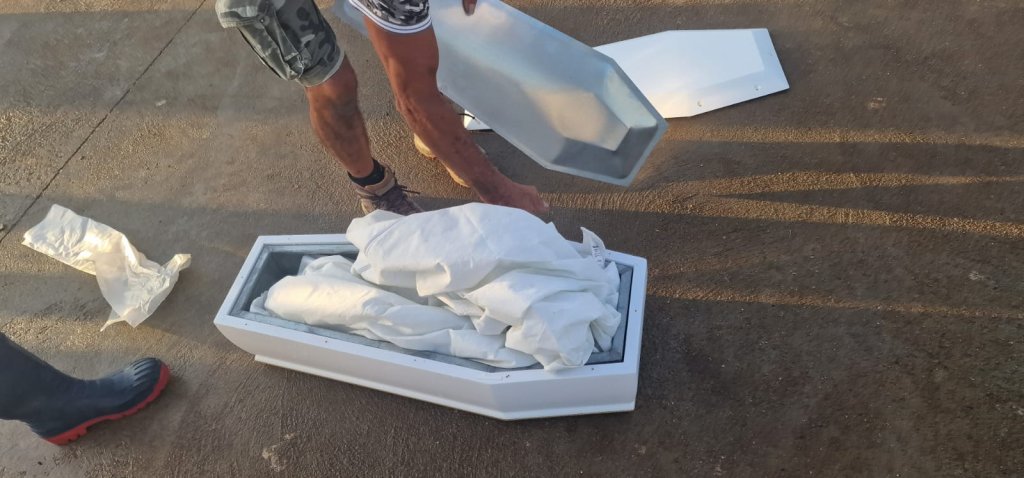
But among the transfers off the island and the continuing arrivals, among these moments of solidarity, there has also been sadness. Over the weekend, it was reported that a new-born baby, suspected to have been born on a boat, died before rescue arrived. Last week, a five-month old baby was also reported dead by the Italian coast guard after they arrived too late to pluck the infant from the sea.