
The latest measures aimed at stopping migrants from crossing the English Channel have been rolled out by the UK government. They include age assessment tests like bone X-rays.
The British government is in the middle of rolling out even stricter legislation designed to fight migration. On September 11, it signed a series of measures aimed at speeding up the asylum decision-making process, as well as procedures to clamp down on abuse of the system.
Most of the measures are due to come into force from 2024. Some processes are already being tightened.
Under the new laws, asylum caseworkers will have the powers to assess the credibility of asylum claims. If a claimant is found to have deliberately destroyed, or failed to produce an identity document, or refused to disclose information asked for, including their passwords to electronic devices, then these refusals or destruction will be "considered when assessing claims," according to a government press release.
Length of migration detention
The Home Secretary is now to acquire powers enabling them to determine what is a reasonable time period for detention for immigration purposes, and when a person might be removed from the UK. Until now, this has been a decision for the courts.
The government believes that this will prevent so many successful challenges and claims of "unreasonable detention" because the courts will be forced to take the Home Secretary’s view of what is reasonable or unreasonable into account.
The Ministry of Justice has also set out this week its intention, once it wins parliamentary support, to introduce the use of X-rays to obtain scientific age assessments. This, says the Home Office, will help caseworkers "improve their ability to effectively determine the age of illegal entrants making disputed claims to be children."
Scientific age-assessment measures
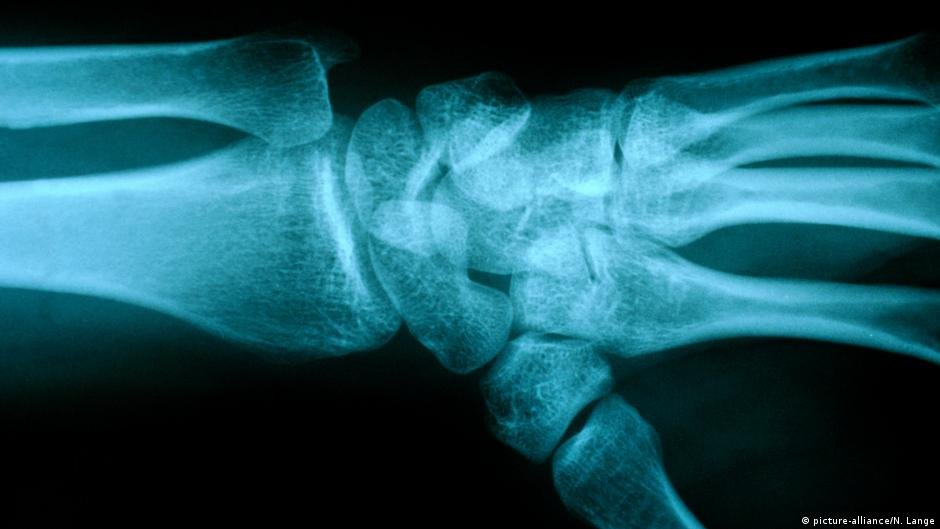
The government says by using X-rays and other age assessment measures, they can make sure that migrants found to be genuine minors will be able to access the support they are entitled to and others, who are actually adults, will not be able to take advantage of resources intended for children.
Also read: Backlog of asylum applications in UK reaches record high
The new legislation aims to make use of X-rays of teeth and bones in the hands and wrists, as well as magnetic resonance imaging (MRIs) of knees and collar bones to help with determining age.
The government said these new measures would be rolled out in 2024. The Immigration Minister Robert Jenrick told parliament, "implementing the measures within our landmark Illegal Migration Act marks a crucial step forwards in our fight against illegal migration."
Jenrick added that the kinds of X-rays and MRIs the government intends to use are used widely in other countries in Europe, including Norway, Sweden and Denmark. "Scientific age assessments are also vital to weed out adults who exploit the system and present serious safeguarding risks. It is only right that the credibility of those who pose as unaccompanied children and refuse to be scientifically age assessed is questioned and held against them as part of the decision making process," he concluded.
Government: 'Almost half found to be adults'
Government statistics show that between 2016 and June 2023, there were "11,275 asylum cases where age was disputed and subsequently resolved, of which almost half (49%, or 5,551 individuals) were found to be adults."
Also read: Summer sees migrants risk all to reach Britain via unstable boats
As an example, the government said a person had crossed the Channel who initially claimed to be 16 years old. Immigration officers assessed the man as being at least 21 years old. He was sent to a hotel as an adult and referred to a local authority for a full age assessment. According to the government, "it transpired that he had claimed asylum and lived in another European country for five years and was 26 years old."
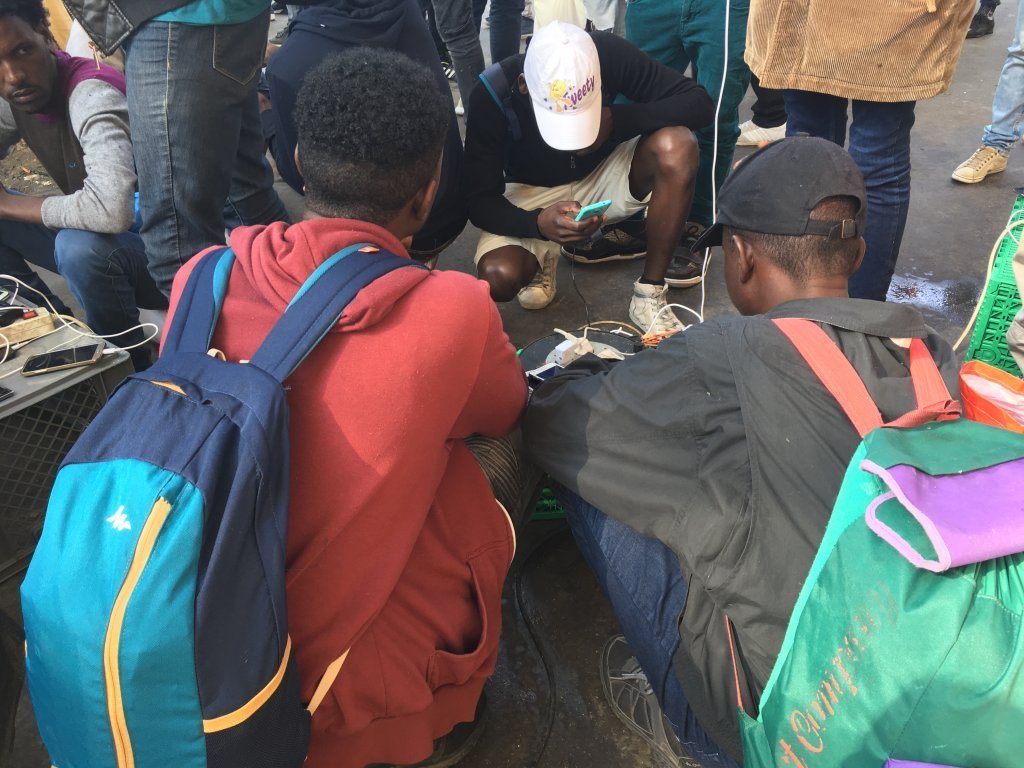
The government says it considers the safeguarding of children a priority. If adults are assessed as children and placed in local authority care with other actual children, this may put at risk the other children living there, it says.
The UK’s Refugee Council runs an "Age Dispute Project." It aims to help those who are actually children, but being treated as adults by the UK authorities win an assessment and the correct support to match their actual age. In 2018-2019, 300 people were supported through the project, the charity says. Of those cases, 204 were accepted as children, 42 were actually found to be 13 years or under and 45 of their cases were ongoing by the end of that time period.
'Some don't even know their own birthday'
"Without this project, I wouldn’t have been treated fairly, nobody helped me even though I kept telling people about my age, until the Refugee Council believed me," one young person helped by the project said.
The Refugee Council also cautions that many of those who claim to be children don't have documents to support their claims. "Some don’t even know their own birthday," adds the charity. In January 2023, in response to the government’s report about using scientific methods to assess age, the Refugee Council said that any methods should be "robust, repeatable and accurate as possible."
Also read: UK and Turkey announce deal on migration
However, it noted that the interim committee admitted that "no method, biological or social worker-led can predict age with precision." It is therefore calling for any biological assessments to be used "to consider whether the age claimed by the young person is ‘possible’, rather than be used to answer the specific question of how old that person is or whether they are under or over 18 years of age."
The committee also advised the government that "any methodology used for the assessment of age should respect and prioritize the health and wellbeing of the individual, upholding their dignity and right to choose, and minimizing any health risk, whether physical or psychological, to the individual being assessed."
'Scientific age assessments are not a stand-alone solution'
Enver Solomon, the CEO of the Refugee Council, said that "scientific age assessments are not a stand-alone solution, they are not risk-free and they should be used with extreme caution alongside other methods rather than on their own."
As well as punitive measures, the government wants to introduce more "safe and legal routes" by which to migrate to the UK. In October, the government will launch a consultation to assess the UK’s capacity to support those arriving through these routes, asking all the parliaments in England, Scotland, Wales and Northern Ireland about how best to offer support those migrants.
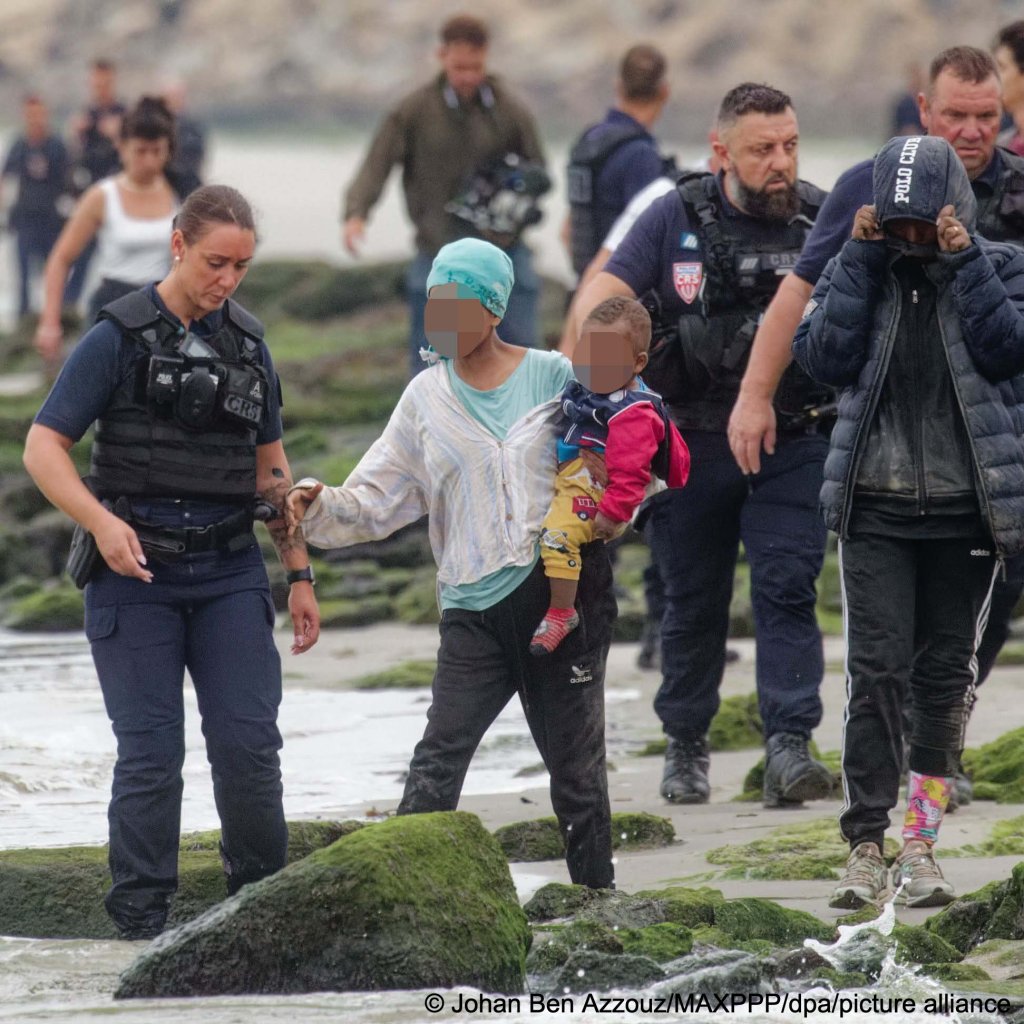
According to the government a report will be published in January detailing any additional routes and setting out all current existing safe and legal routes and how those on them can best access help.
The government has announced that it will roll out further measures in the coming months, including enforcing one of the main premises of the new law, which seeks to criminalize anyone crossing to the UK by small boat without the correct papers and permission to enter. This, promises the government, will then see them "detained and then swiftly removed to a safe third country or their home country."
The government says it "remains determined to stop the boats and deter people from making dangerous journeys to the UK."