
The incidence of gun violence follows reports of clashes between suspected smugglers and migrants.
One person was seriously injured in a shootout in the parking lot of a busy department store in the Serbian city of Subotica last Friday (September 8), reported RTS, the website of Serbian state television.
Eyewitness accounts state that four to five shots were heard around 6:30 in the evening in front of a German department store chain.
The altercation allegedly involved migrants and members of smuggler gangs, according to local news reports.
The incident comes in the wake of a similar recent report of gun violence.
Last month, an Afghan man died in a gun battle in a forest area in northern Serbia, close to the Hungarian border. Two others were also injured in the shooting.
Read more: Afghan killed in shootout near Serbian border town
Serbian border: Where smugglers outnumber migrants
At its northern border, rows of fences, barbed wire, and surveillance cameras, separate Serbia from its neighbor, Hungary.
The border fence, which runs about 160 kilometers, was constructed in 2017 as a response to the surge of arrivals in the previous year of people wanting to enter the European Union through the Hungarian border, about 20 kilometers away.
Hungarian border police guard this part of the Balkan route which has become synonymous with pushbacks or the act of violently preventing people from crossing country borders.
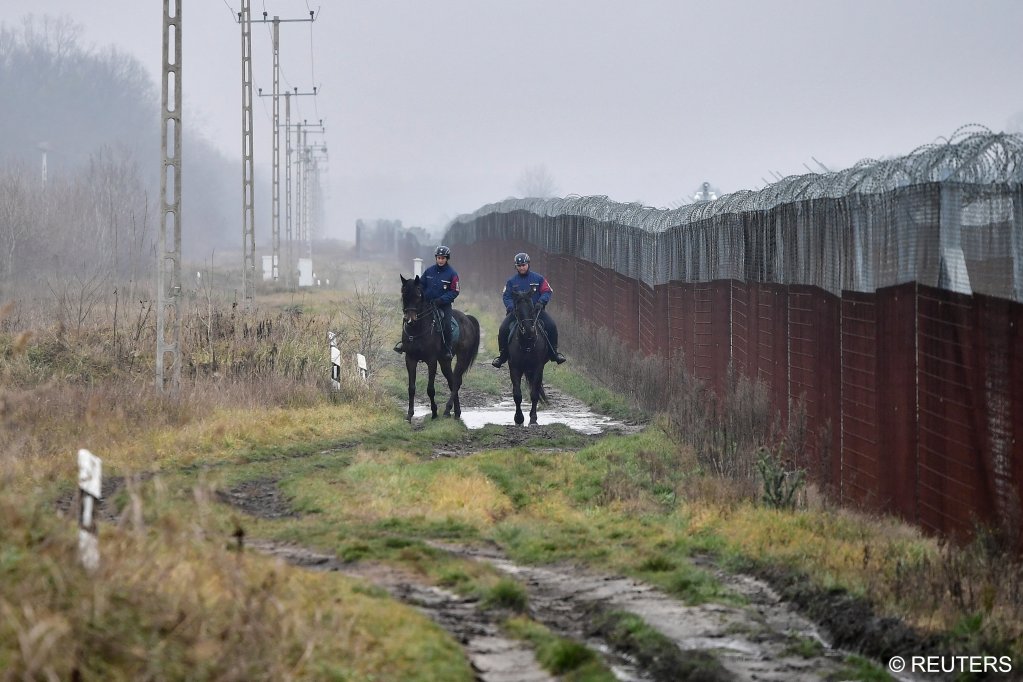
Attempts to cross the border into Hungary can mean months of facing pushbacks and other forms of violence from the border police.
Crossing Serbia to enter the EU is one of the most difficult stages for migrants on the Balkan route.
Those who wish to enter have little choice but to seek the services of smugglers who reportedly control the region.
Read more: Serbia: On the Hungarian border, smugglers 'control everything'
Last year, police made a wave of arrests following a deadly shootout that left one dead and several injured, including minors. The armed clash reportedly involved migrants and smugglers, also in Subotica, northern Serbia.
Eighty-five people were arrested and many automatic weapons were found.
Read more: Shooting in Serbia: police arrest 85 people and seize numerous weapons
Violent pushbacks: A feature of migration policy
Hungary is notorious for its anti-immigration policies which include implementing pushbacks to manage migration.
According to the Asylum Seekers Protection Center (APC), a non-governmental organization (NGO) with operations in several migrant reception centers in Serbia, the Hungarian authorities violently pushed back between 600 and 1,000 people every day last year.
European courts have ruled pushbacks as illegal—a ruling that Hungary has ignored.
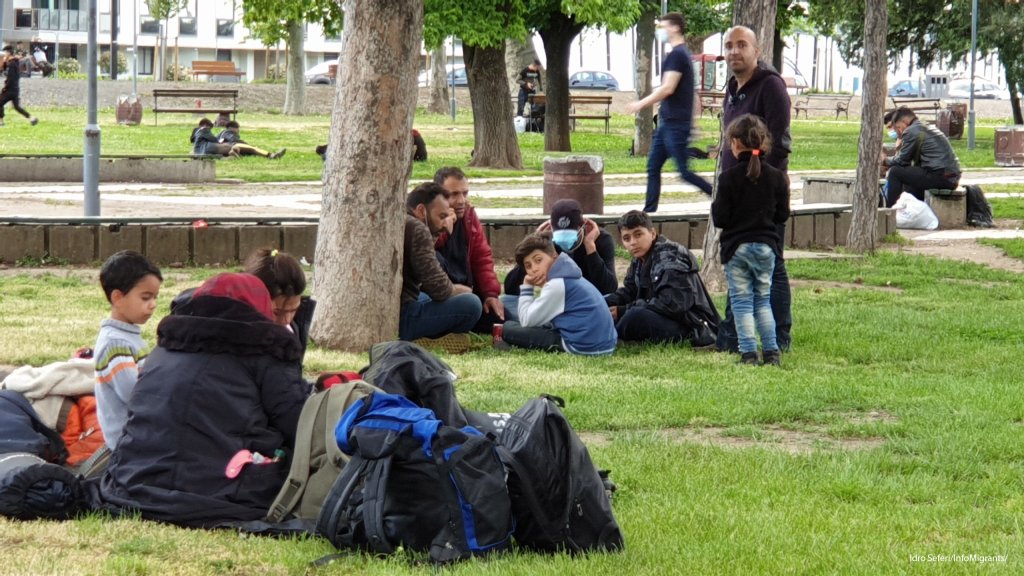
According to the European Council on Refugees and Exiles (ECRE), some 150,000 people have been returned from Hungary to Serbia, across the border fence.
Hungary, along with neighboring, Poland, are among the two countries that opposed the European Union’s move to equitably distribute arrivals within the EU bloc or financially compensate countries that take on a higher number of irregular arrivals.
The people traveling through Serbia and other Balkan states to the European Union are reportedly mainly from Syria, Afghanistan, and Pakistan, as well as Central Asia and other Middle Eastern countries.
Read more: European Union: Migration deal postponed amid disagreement