
Doctors Without Borders (MSF) has ended its medical operations in Tripoli detention centers. The NGO believes that it is no longer able to "properly provide care" to migrants locked up in these structures. Nevertheless, MSF continues its mission in other detention centers across Libya. InfoMigrants interviewed Federica Franco, the head of MSF Netherlands' mission in Libya, to find out more.
On August 24 the medical charity Doctors Without Borders (MSF) issued a press release announcing the suspension of its medical services within detention centers located in the Libyan capital. The organization has determined that the conditions necessary to deliver proper care to migrants are not met in these facilities.
Previously, in June 2021, MSF had temporarily halted its mission at the Abu Salim and Al-Mabani centers following a series of violent incidents against migrants within these facilities, which are managed by Libyan authorities.
Living conditions in the country's detention centers are regularly denounced by NGOs and international bodies. Individuals detained there endure forced labor, malnutrition, sexual assault, torture, and even extortion.
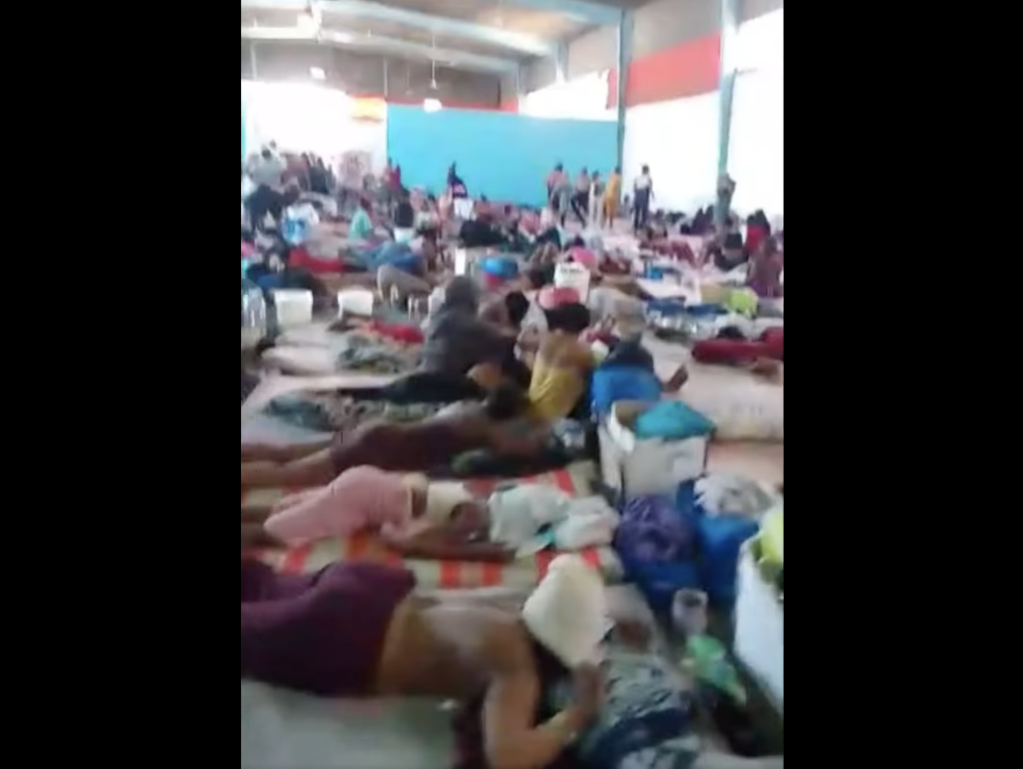
A video shared on August 21 by the Refugees in Libya account X (formerly on Twitter) offers further evidence of the violence exerted on migrants in Libya. The footage shows a woman, almost entirely naked and with her eyes open, lying on the ground in a Libyan prison. According to The Guardian, these images were filmed in early August at the Abu Salim prison. The woman, originally from Somalia, is believed to have died of tuberculosis. Many migrants held in this center have also contracted this disease, The Guardian reported.
Also read: Woman's lifeless body filmed in Libyan detention camp
InfoMigrants: When will MSF's mission in Tripoli end?
Federica Franco: MSF announced the end of its humanitarian medical operations in Tripoli on August 24. Our missions in detention centers and in urban areas have ended since that date.
Nevertheless, support for the national tuberculosis control program, as well as our activities related to respiratory diseases at the Abu-Setta hospital, continue until the end of the year.
IM: Why is MSF ending its missions in Tripoli?
FF: We made this decision after an in-depth review of our humanitarian actions on a global scale and as part of a redefining of our financial priorities.
MSF faces persistent problems accessing detention centers in Tripoli, but also administrative difficulties which have affected the medical monitoring of people detained there.
Our mission in the centers is driven by the humanitarian imperative to save lives and alleviate suffering. But the prerequisite for carrying out our actions is the possibility of having unhindered access to people who are locked up.
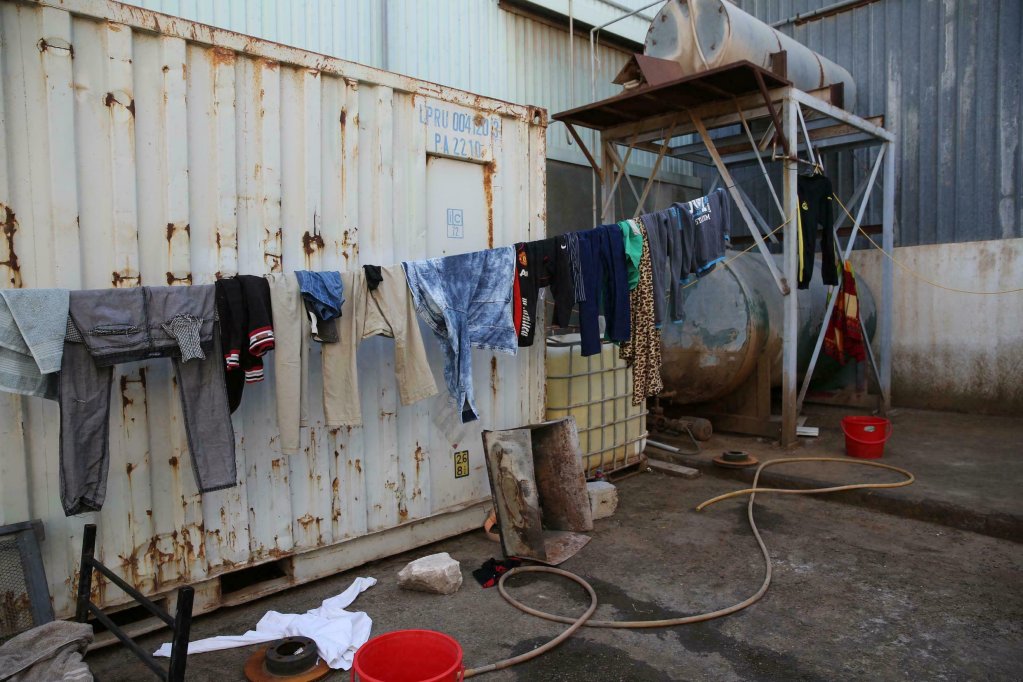
However, despite numerous negotiations with the competent authorities to respect our working conditions in prisons, including the possibility of carrying out medical triage inside the cells, MSF considers that access to these places is not is not sufficient.
As a humanitarian medical organization with operations in more than 80 countries, we must continually make choices about where to focus our work, based on the resources available to us.
For these reasons, we are therefore putting an end to our presence in the prisons of Tripoli. But we maintain our presence in Misrata and Zouara.
IM: Do you fear that the end of your mission in Tripoli will further complicate the daily lives of migrants?
FF: It is true that MSF provides health care to people held in detention centers in Tripoli, and that we are often one of the only medical organizations able to do so.
At the same time, MSF must find a balance between its desire to help these migrants and its ability to adequately provide care.
We also know that with this decision, we will unfortunately no longer be able to bear witness to the abuses and inhumane living conditions in the detention centers of Tripoli.
MSF has repeatedly denounced the cycle of abuse suffered by asylum seekers, migrants and refugees in Libya. We have been calling for many years for an end to the system of forced returns and arbitrary detention put in place by the European Union. We will continue to do so based on our work in other structures in the country.