
A video circulated on social media and published by the Guardian Newspaper on Tuesday has once again drawn attention to the situation in migrant detention centers in Libya.
The video is said to have been filmed by a Nigerian woman inside the Abu Salim detention center in Tripoli. As she walks through a large indoor space like a warehouse or a hangar, full of women, mattresses and bedding, and buckets, she can be heard shouting that the place is a "prison" and pleading repeatedly for help.
The camera then shows a woman lying dead on the floor, almost entirely naked and with her eyes open. "Look at her, she died this morning," the Nigerian woman can be heard saying. The body of the deceased woman – who was believed to be from Somalia – is emaciated.
The Guardian says the video was shared by migrants who had been detained in the Abu Salim center and had been forced to pay ransoms for their release. It had appeared early last week, shared on social media by the group Refugees in Libya, a refugee-led organization. The video’s authenticity was confirmed by Medecins Sans Frontieres (MSF) and sources from the United Nations.
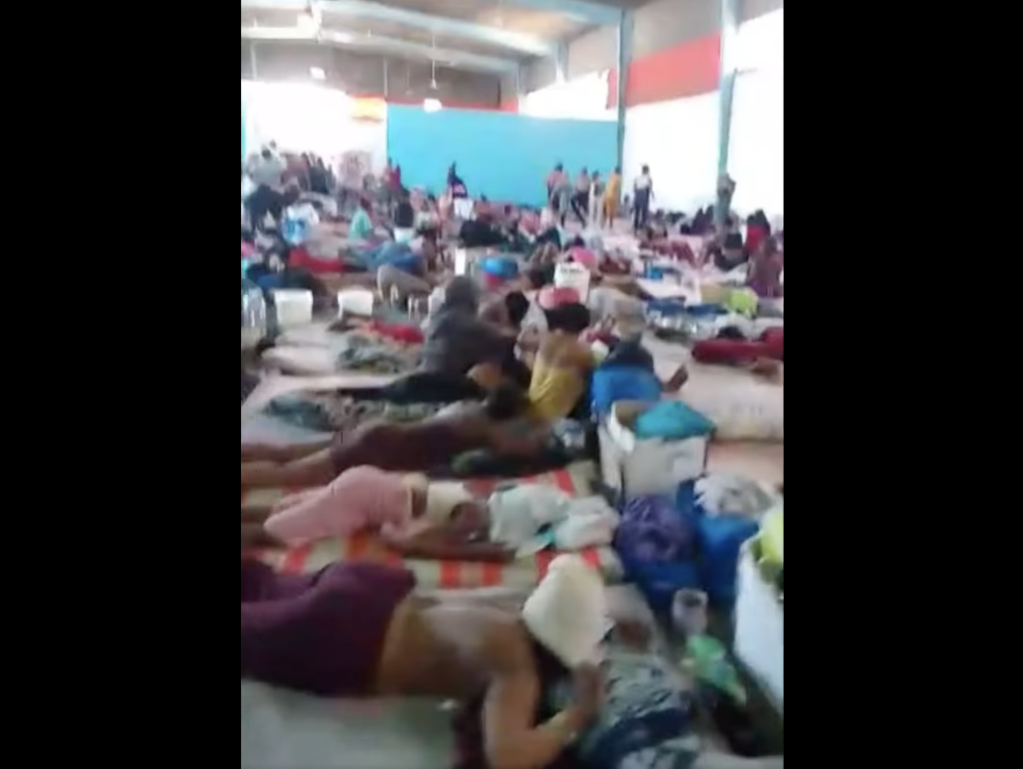
The UN source also reportedly told the Guardian that the woman might have died from tuberculosis, an infectious disease which commonly affects people in overcrowded detention centers where they lack access to medical care. Dozens of migrants in Abu Salim have contracted the disease, according to the Guardian.
Refugees in Libya wrote on Facebook that it is investigating the woman’s death. The group says she was a Nigerian national and that the cause of death was acute malnutrition and excessive torture.
Death no surprise
Sally Hayden, who has been reporting on the situation of migrants in Libya and has been in contact with people in detention centers, including Abu Salim, said she was not surprised by the video’s content. "[Inside the detention centers] you basically have every type of abuse: starvation, medical neglect, forced labor, people being used as human shields," Hayden told the American public radio program The World.
A migrant from Sierra Leone who spent five months in Abu Salim before escaping to Tunisia also showed little surprise at the news of the woman’s death, when interviewed by an Al Jazeera reporter. She said people had died, been denied food, and raped at gunpoint while she was in the center.
Others who had previously been detained in Abu Salim told the Guardian the only way to leave is by paying a ransom.
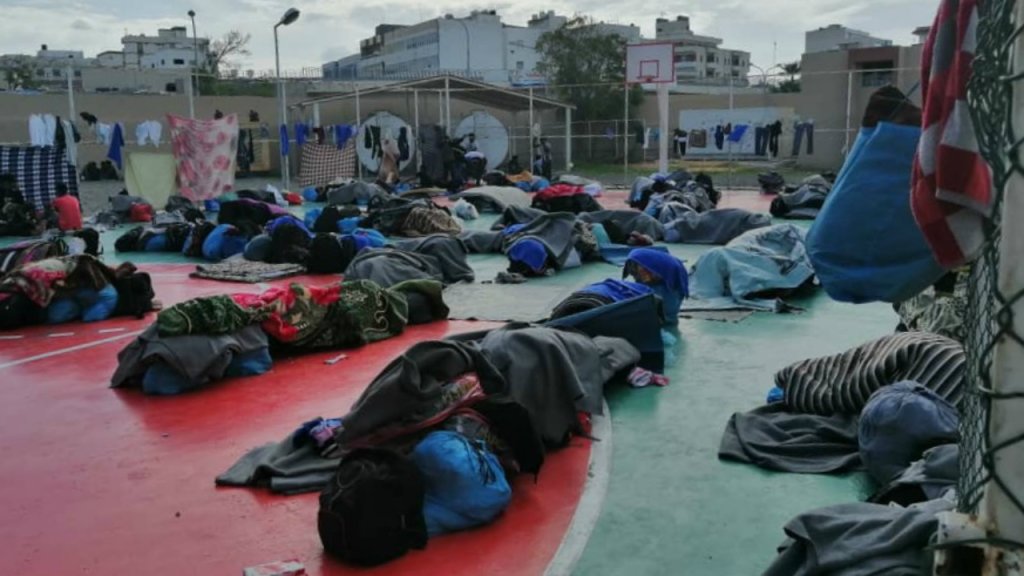
Non-government organizations such as MSF have documented many cases of violence against detainees in the Abu Salim facility. In June, 2021, the medical charity temporarily stopped providing humanitarian and medical care in Abu Salim and Mabani, another detention center in Tripoli, because of serious violence against migrants and risk to MSF staff there.
MSF announced last week that it would end all its medical activities in Tripoli by the end of the year. It stopped providing healthcare to migrants held in detention centers in the capital on August 24.
The detention centers in Libya are run by the directorate for combatting illegal migration (DCIM), controlled by the interior ministry. The facilities are used to hold thousands of people who are intercepted at sea while trying to reach Europe across the Mediterranean and brought back to Libya.
Earlier this year, the UN Human Rights Council found evidence that the DCIM was complicit in crimes against humanity which had been committed in Libya since 2016 against migrants in detention centers.