
For over two weeks, the UN has been facing a political impasse regarding access to a border crossing with Syria's Idlib Province, a rebel-held enclave. This stand-off might leave more than four million Syrians living there in immediate danger, affecting displaced populations in particular.
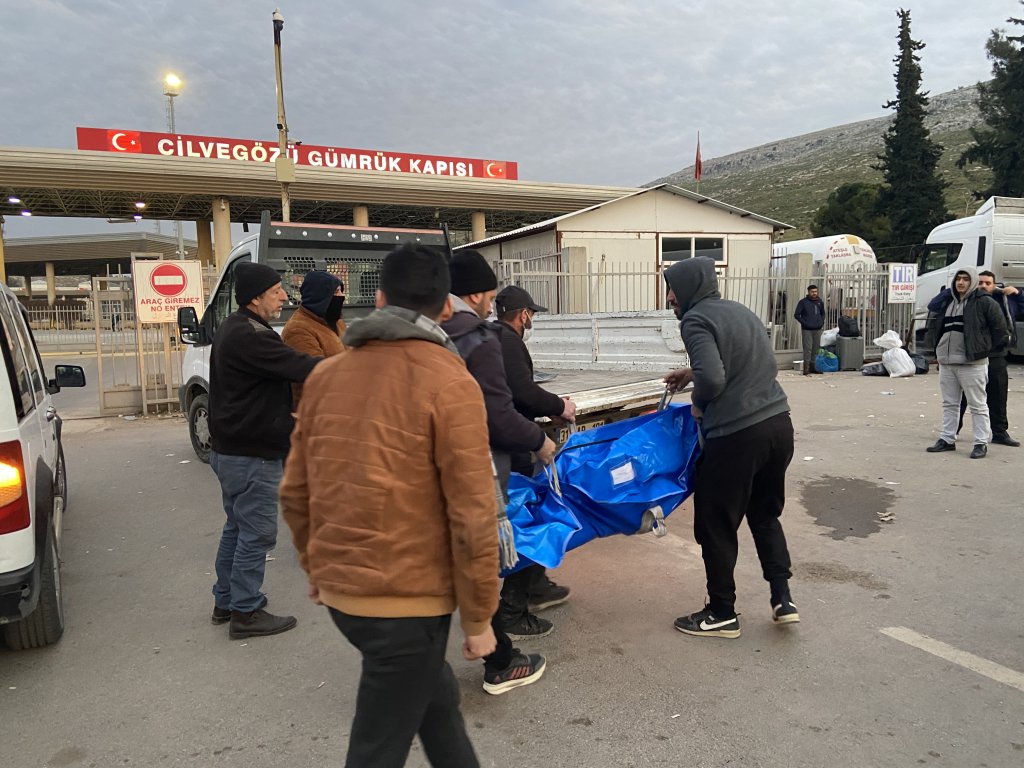
Since July 11, the UN Security Council has repeatedly failed to renew the mandate for the Bab al-Hawa border crossing between Idlib Province in Syria and Turkey.
For the time being, the Syrian government has agreed to allow UN aid deliveries to enter the rebel-held enclave in the country's northwest through Bab al-Hawa -- despite reservations.
However, there are mounting questions over the long-term sustainability of this arrangement. For one, the Syrian government might require permits and inspections for UN convoys to cross at Bab al-Hawa, and is likely to ban direct communications between UN bodies like the IOM and rebels to coordinate deliveries to Idlib Province.
The UN says that about 85% of its aid to northwestern Syria normally passes through Bab al-Hawa, making this crossing a vital lifeline to people in the region.
A decade of growing polarization
The UN Security Council is facing growing interference from Russia and China in securing the welfare of people in rebel-held parts of Syria: Back in 2014, it had succeeded in authorizing aid deliveries from Turkey, Iraq and Jordan through four separate border crossing points into rebel-held parts of Syria.
However, Russia and China over the years have demanded reductions in the number of authorized crossings to just Bab al-Hawa, with the duration of authorization mandates also being shortened down to six months, as opposed to the initial 12.
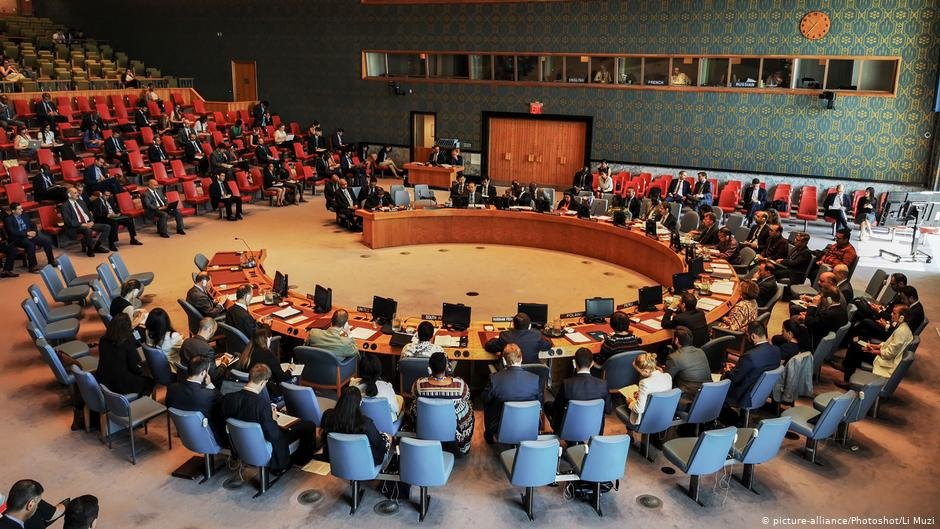
Earlier in July, the UN Security Council failed to adopt one of two competing resolutions on the border crossing issue. One was tabled as a compromise by a Swiss-Brazilian task force and was supported by Western countries, but then was vetoed by Russia, which remains a top ally of the Syrian government.
That plan saw the authorization for the crossing of UN aid through Bab al-Hawa renewed for six months.
The other suggestion, which was tabled by Russia in response, featured a host of additional requirements, including increasing aid delivery to the opposition-held enclave through government channels in Damascus directly while reducing UN aid.
This suggestion, however, only received China's backing, as Western countries remain reluctant to hand more control over to Syrian President Bashar al-Assad's government and to give in to Russia and China's increasing demands.
Moscow meanwhile remains adamant that UN aid should be cut, alleging that militant groups in the northwestern province of Idlib are effectively stealing aid deliveries made in good faith -- by preventing them from reaching those in need.
Read more: Russia and Assad committed war crimes in Syria
Dire need for aid
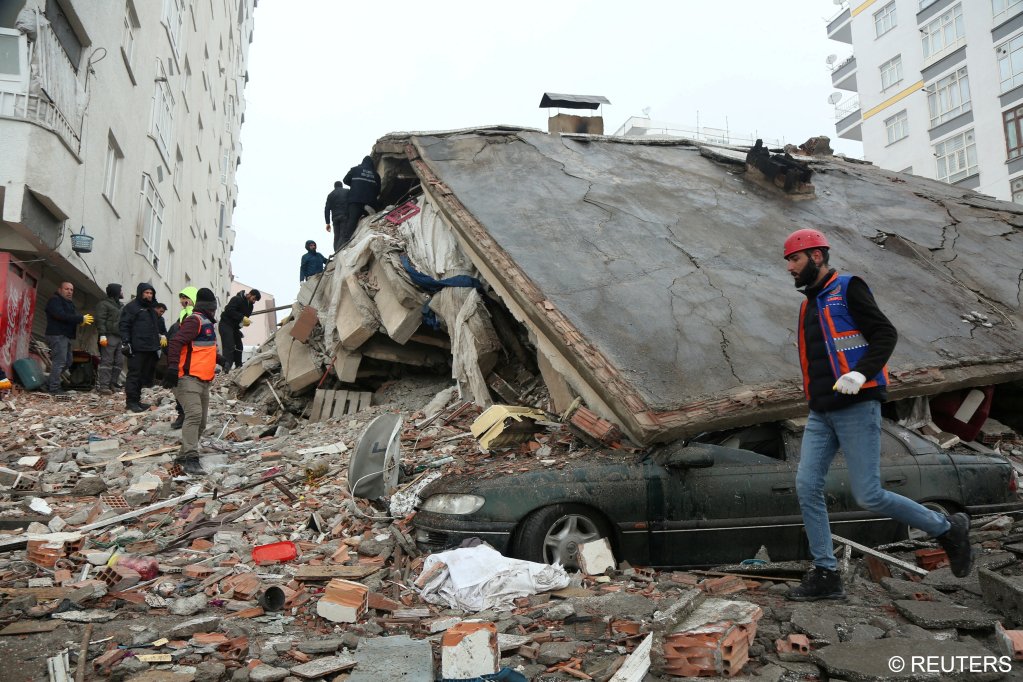
Several million people in northwestern Syria however rely on such aid deliveries to survive -- especially since the devastating magnitude 7.8 earthquake, which hit northern Syria and southern Turkey in February this year, killing over 6,000 people in Syria alone, according to the UN.
Hundreds of thousands of others suffered severe displacement, while previously displaced populations in the border region have found themselves having to return to Syria -- either to help family rebuild lives back in Syria or because the earthquake destroyed the new livelihoods they had built in Turkey.
At the same, migrants and refugees from Syria and beyond continue to cross from Syria into Turkey, oftentimes taking advantage of loose checks and controls in the the rebel-held border enclave.
They, too, rely on UN aid, as the enclave receives only limited supplies from the Syrian government.
Read more: Turkey earthquake: Between life and death, refugees have to start all over again
International Rescue Committee pleads for resolution
The President of the International Rescue Committee, David Miliband, urged the UN Security Council to "do its job" and find ways to resume activities at the humanitarian border crossing.
"The people of northwest Syria can ill afford a new wave of suffering, having lived through the trauma of the earthquake," Miliband told The Associated Press (AP) news agency on Tuesday (July 25).
"Our point of view is that interference with the humanitarian crossing point poses severe danger to the efficiency and the effectiveness of humanitarian aid," Miliband, who also is a former UK Foreign Secretary, added.
"There's a lot of danger for people in need in northwest Syria. And it's very important that they're not forgotten."
Read more: Analyst: 'Turkey wants to repatriate Syrians'
Logistic challenges
President Assad meanwhile has also opened two additional crossing points from Turkey into Syria -- one at Bab al-Salameh and the other at al-Rai, allowing an increase in aid flow to quake victims.
Miliband said that the International Rescue Committee and its partners were trying to use these other crossings for the time being in order to keep delivering aid to the enclave.
However, this means a major detour through government-held area in both cases, resulting in multiple logistical challenges in the midst of a precarious humanitarian situation: travels inside Syria from government-held areas to rebel-held territory usually involve a multitude of such hurdles, resulting in a significant backlog of aid deliveries and other humanitarian support.
The situation at the Bab al-Hawa border crossing meanwhile remains unresolved, with experts worried about renewed hostilities in the absence of cooperation between Damascus and rebel groups.
Read more: Displacement and migration explained
with AP