
The construction industry, which is largely dependent on migrant labor, is one of the sector's most devastated by the dual impact of Brexit and the COVID-19 pandemic.
Britain has added a number of construction roles to its "shortage occupation list" to attract more foreign construction workers to the United Kingdom, news agency Reuters reports.
Bricklayers, masons, roofers, roof tilers, slaters, carpenters, joiners and plasterers are among the occupations set to receive concessions such as reduced application fees.
The shortage occupation list consists of jobs badly in need of workers in the UK. Employers cannot find enough employees within the resident labor market or those already qualified to work in the country. Attracting workers with certain skill sets from outside the UK through relaxed visa regulations is a way to ease workforce shortage gaps.
According to the UK government website, vacancies included in the shortage occupation list can be paid 80% of the job's usual rate and still qualify for a visa. However, applicants need a job offer from an employer and must meet an English language requirement.
The Migration Advisory Committee (MAC) is the independent organization tasked by the UK Home Office to periodically review, identify and recommend occupations that will be included in the shortage occupation list. The UK government makes the final decision on which occupations to include based on recommendations made by MAC.
Other occupations included in the shortage occupation list are care workers, civil engineers and laboratory technicians, as well as other healthcare roles.
Read more: UK: At least 45,000 seasonal farmworker visas for 2024
Labor gaps brought by Brexit and COVID-19
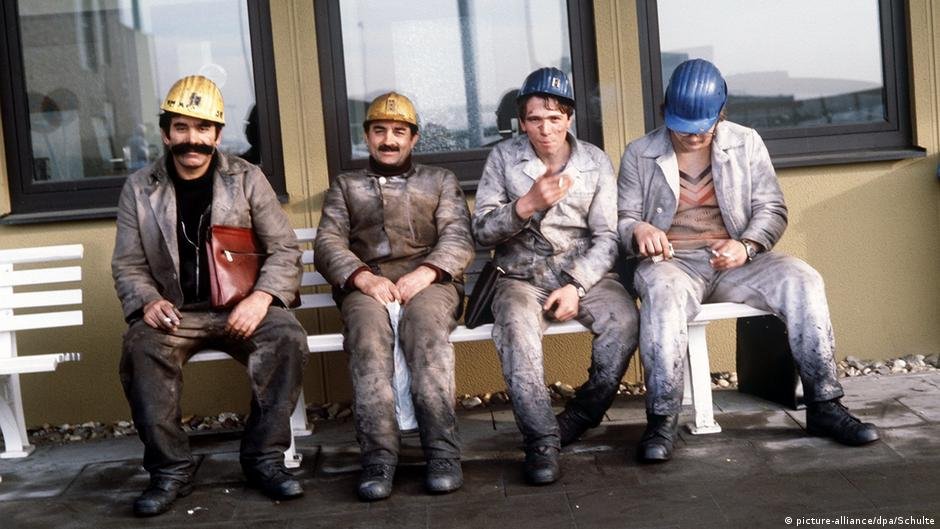
The UK is grappling with a severe shortage of construction workers as a result of the compounded impact of Brexit and the COVID-19 pandemic.
Brexit, or the UK’s exit from the European Union (EU), ended freedom-of-movement rights between the UK and EU member states, effectively slashing the reciprocal agreement allowing EU citizens to work in the UK and vice versa.
The construction industry is one of the first feel the crunch of the changing UK immigration rules.
Prior to Brexit, more than half of Britain's construction workforce was from the EU and other countries. Figures from the UK Office of National Statistics (ONS) indicate that that number fell 54% between April 2017 and April 2020.
Industry leaders have been sounding the alarm over the debilitating impact of immigration rules on a sector dependent on migrant labor.
“While the construction industry has been struggling with skills shortages for some years, the impact of the pandemic and the UK’s exit from the EU has intensified the issue,” Brian Berry, Chief Executive of the Federation of Master Builders, said in a statement on the London city website.
The problem is further aggravated by the UK's aging workforce -- between 10-20% of UK-born construction workers are set to retire in the next five years.
In January, London Mayor Sadiq Khan called on the government to create a temporary visa scheme for construction workers to ease the crippling dual impact of Brexit and the pandemic on the building industry.
“The Government must look beyond their current blinkered approach to immigration and recognize the impending crisis that is already enveloping one of our most vital industries,” said Khan in a statement on the London City website.
“Training our own people to take on jobs in the construction sector is an admirable aim and one we’re working hard to meet but, in the meantime, we need skilled tradespeople on site now to manage the short-term crisis and build a strong recovery,” Khan added.

Last year, the UK also initiated temporary visa concessions for truck drivers and poultry workers. In May, the government laid out its plans to grant 45,000 seasonal visas in 2024 for migrants who will work in agriculture.
Read more: UK fuel shortage drives U-Turn on short-term visas