
Thousands of migrants are photographed arriving in places like Spain each year. But with the next round of arrivals, the images of the previous migrants are quickly forgotten. Photographer Felipe Romero Beltran decided to work with migrants to stage images to bring their narratives back into the present.
Spain is one of the countries that remains at the forefront of the ongoing migration movements across Europe. In 2022, almost 30,000 migrants arrived on Spanish soil by sea, according to the United Nations.
This is only half the number of 2018, but with pandemic-related travel restrictions now a thing of the past, the number of people embarking on perilous journeys across the Mediterranean is once more on the rise.
Every time a boat arrives -- whether by rescue or by succeeding under its own steam -- the same images travel around the world: tired migrants and refugees being assisted on land with blankets and water; somewhere nearby there's usually an ambulance or Red Cross vehicle in the shot.
In some instances, these migrants can simply be seen walking away, usually never to be heard of again, as they enter the asylum system with all its pitfalls and rejections.
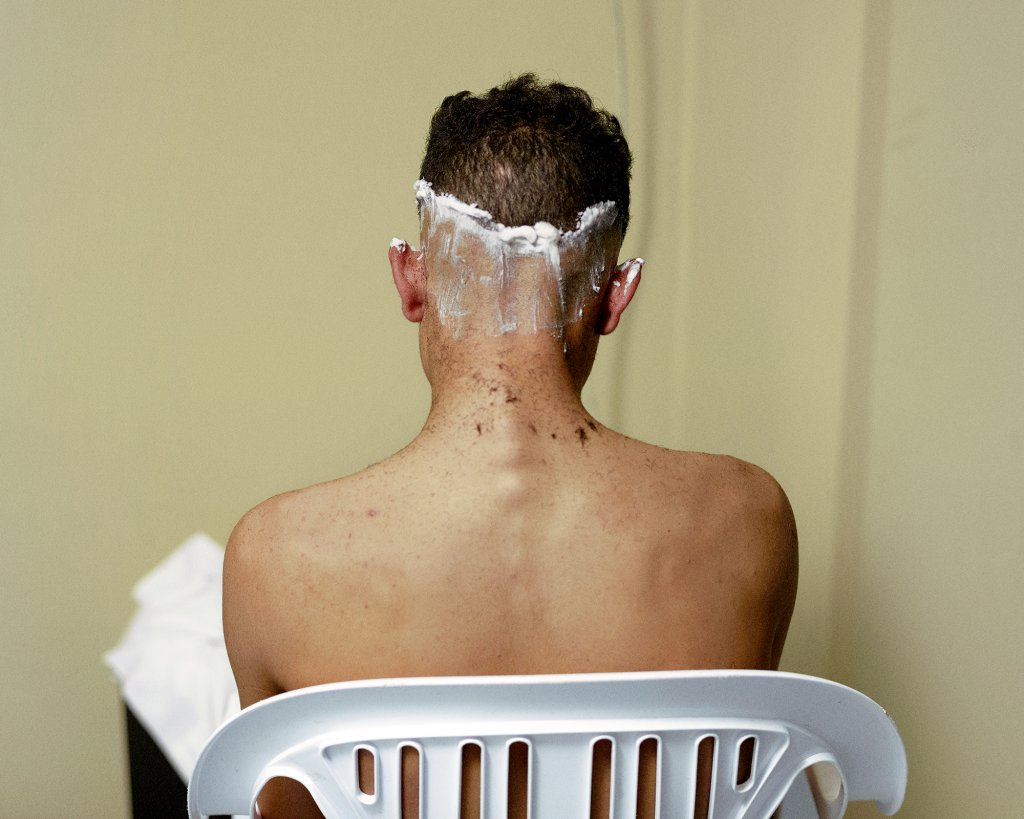
Photographer Felipe Romero Beltran decided that this is not where their story should end. In fact, for many this is the real beginning of the journey, having succeeded in coming abroad. This is why he decided to follow a number of young migrants from Morocco after their arrival in Spain to highlight their experience once they made it.
Part documentation, part photography art, Beltran, born in 1992, focuses on the lives of nine Moroccan men, who did not know each other prior to the photo shoots. They share their experiences, their fears, their frustrations as well as their hopes. They examine what masculinity mean in a new culture, which may not echo the expectations imparted upon them in their home countries.
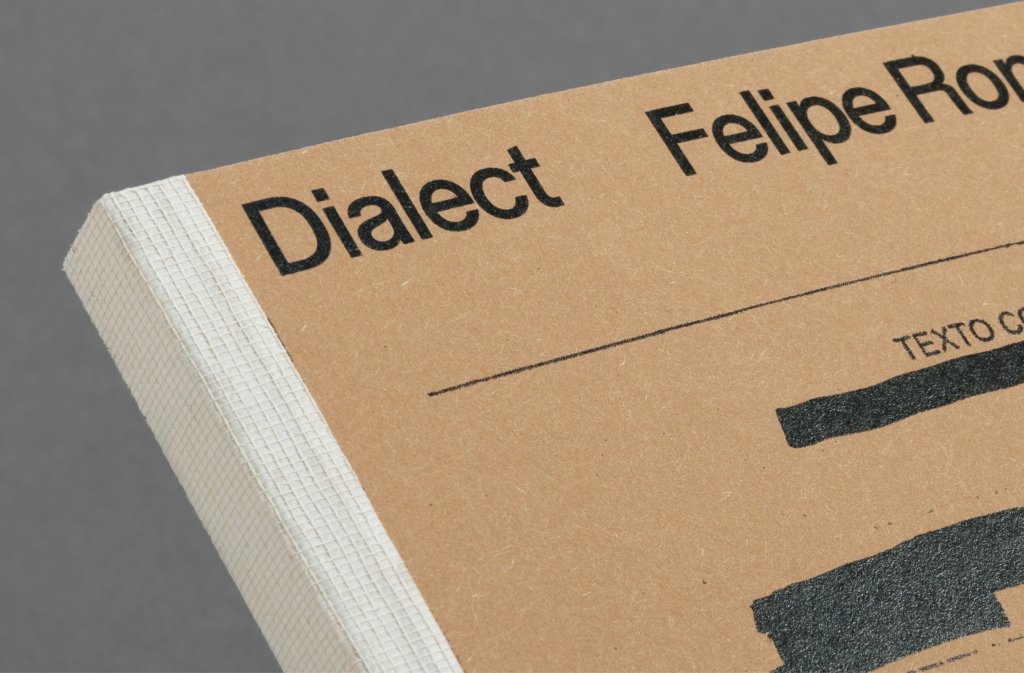
The result is a book and a photographic series called "Dialect," which aims to change the way we view the phenomenon of migration.
Years of idle waiting
Beltran had time to get to know the nine subjects in the book: they are required to stay in Spain for three continuous years before they can apply for residency and start a regular life.
During this time, they rely on state welfare for food and housing and are not allowed to work. Even with a certain number of classes they can join, such as Spanish lessons and integration classes, three years is a long time for boredom to not set in.
Beltran's images cut through this boredom, highlighting the reality of such migrants who instead of pursuing their dreams find themselves stuck killing time in a bureaucratic quagmire.
"I proposed the project and explained that I wanted to take photographs of them in this limbo state, documenting the years of waiting," Beltran explains.
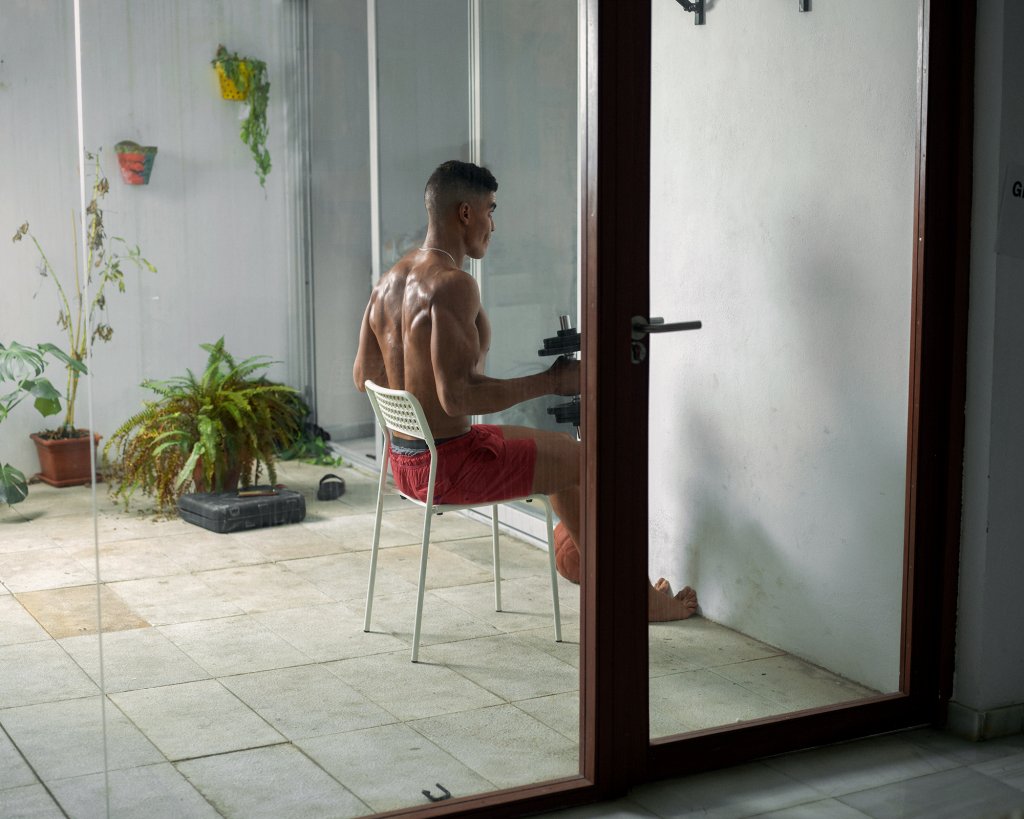
This is one of the reasons why Beltran decided to have a good amount of the images staged; he asked his young subjects to reenact moment of their migration journeys -- to share glimpses into the nightmares of migration in pictures which look almost like a piece of physical theater.
"There was an activity around taking the images -- it was something during the day that (could get them) excited. And it was fun," Beltran explained.
"Everyone was laughing, and they just make jokes each other during the sessions."
Immigration as a barrier
With the veil between art and reality thus deliberately being lifted, Beltran also incorporated some of his own experience of being stuck in bureaucratic waiting game in Spain: A few years before, he had moved to Spain from Colombia himself, where he suffered with the immigration authorities despite being a highly educated native Spanish speaker.
With the subjects of his "Dialect" project being francophone, he figured that the hurdles must be even considerably higher. To illustrate this, he also included a video named "Recital" in his work, in which he got the nine young migrants to try to read the first four pages of Spain's immigration law.
"They weren't understanding a word," he said, highlighting how this removes their sense of agency over their own fate -- even if they have Spanish lawyers attached to their cases.
"These legal procedures are really, really complicated, even for native speakers," said Beltran, adding that this leads to an overall sense of helplessness among migrants and refugees.
Re-enacting nightmares
Beltran says he hopes that his photographic project can help humanize the experiences of migrants to audiences which appear to increasingly be desensitized to images of migrant suffering.
The images look abstract and stylized -- they feel more like Instagram than the evening news. They appear like they will fill museums and not front-pages.
This is part of the reasons why the reenactments really can hit a nerve: they are interesting to look at but only reveal their full story on second sight. In one image, one of the subjects lies on a blue gym mat -- symbolizing the way he laid on Spain's shores upon surviving his migration ordeal.
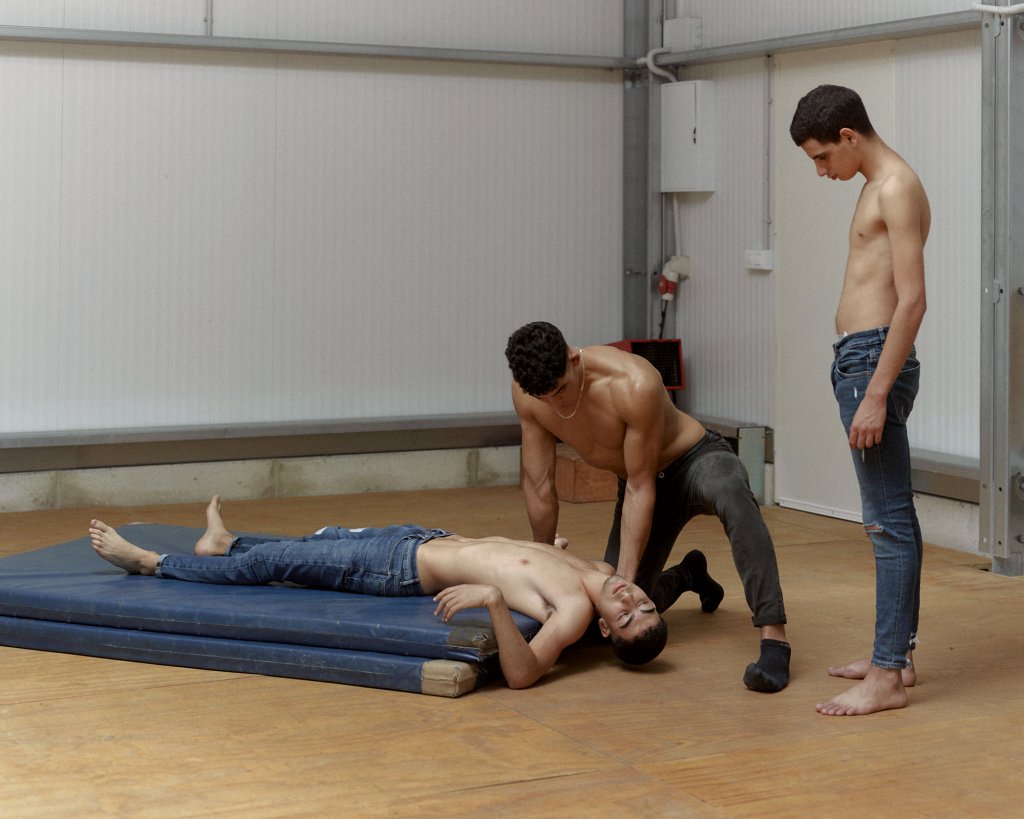
In another such scene, two men are seen carrying a third on their shoulders, recreating the moment that he fainted during a day-long walk to Seville.
Beltran says that Dialect covers "three years of state violence for nine young Moroccan migrants exiled in Kafka-esque limbo in Seville, southern Spain.
"When underage migrants enter the country illegally and cannot be verified as adults, their custody remains in the hands of the state – subjecting them to a lengthy process of up to three years to gain legal status."
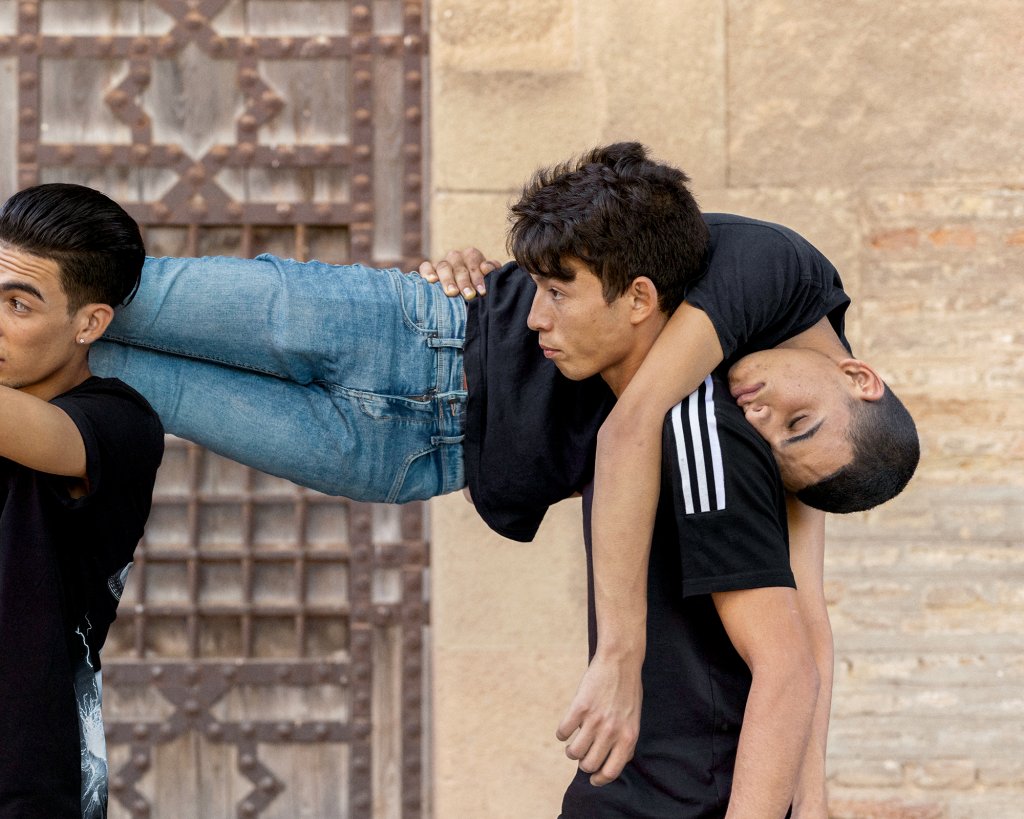
It is in this state of suspension and liminality, Beltrán says, that he engages with the body as a metaphor:
"Using a carefully articulated language between photography, performance and collaboration, the weight of dead time is registered upon the shoulders of these young men, entering into dialogue with their memories, journeys, and the humiliating mundanity of waiting and migration."
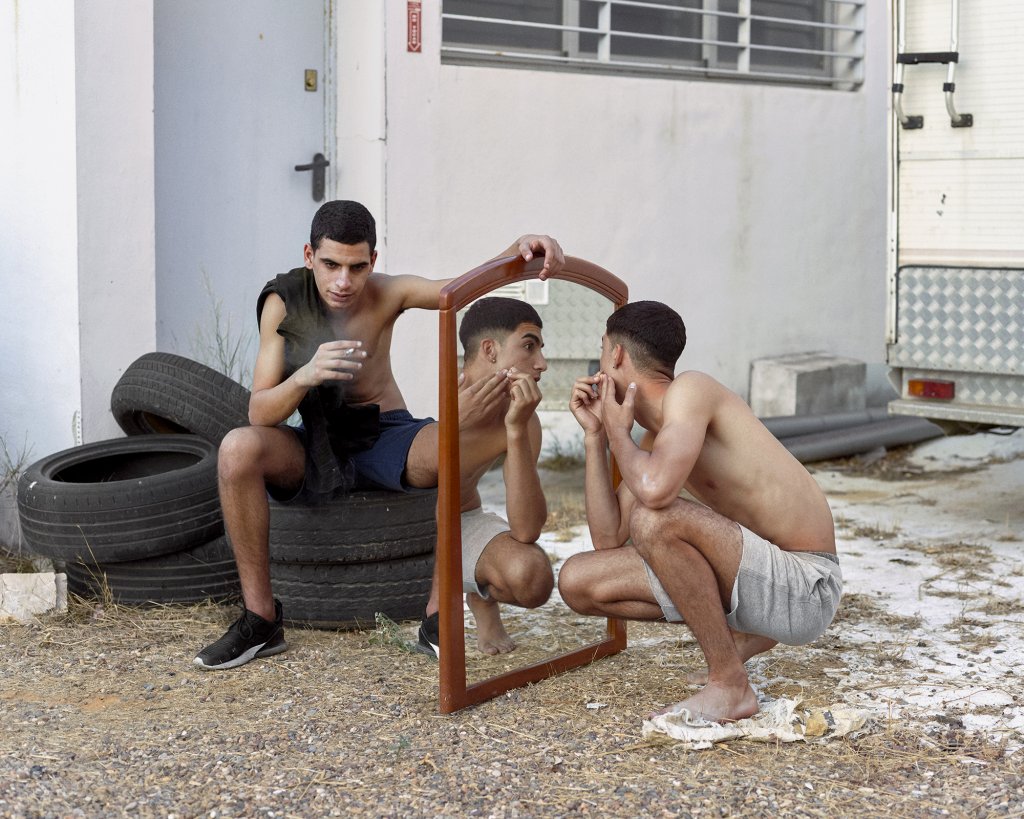
Dialect by Felipe Romero Beltrán is published by Loose Joints, and is available through to www.loosejoints.biz