
The Gambia has repatriated 296 migrants in the past two weeks, stated the country’s foreign ministry. Over half of those repatriated had been stranded in Libya. Others were returned from Senegal, Mauritania and Morocco.
Almost 300 Gambian migrants have returned home in recent weeks. The most recent repatriation took place on July 4, confirmed Gambia’s Foreign Ministry to Agence France Presse (AFP).
On June 21 and July 4, 140 Gambians were repatriated from Senegal, Mauritania and Morocco, and 156 Gambians were sent back from Libya on June 24, reported AFP.
Those sent back from Senegal, Mauritania and Morocco had been attempting to reach the Spanish Canary Islands in the Atlantic Ocean when their boats were intercepted by coast guards from the three countries.
In total, 231 Gambians had been picked up off the coast of West Africa, but many of them had "absconded" before they could be returned, stated the Foreign Ministry.
Repatriations from Tunisia?
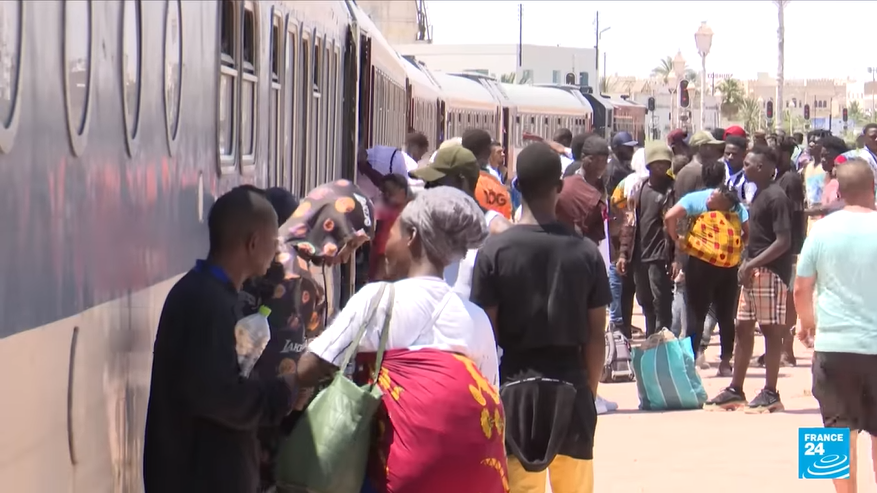
Gambia is among several West African nations, including Burkina Faso, Guinea, Ivory Coast, Mali and Senegal, that have been repatriating their nationals from Tunisia since February when discriminatory remarks made by the Tunisian President Kais Saied triggered a series of attacks and unrest towards sub-Saharan Africans living in Tunisia.
Most recently, unrest in Tunisia’s second-largest city Sfax has seen hundreds of sub-Saharan Africans reportedly being bussed by the Tunisian authorities close to the border with Libya and Algeria.
The Gambian Foreign Ministry said they were working "closely to ascertain their numbers and verify their nationalities as part of the evacuation."
The UN Migration Agency IOM often assists in repatriations of this type. With the agency's support, the Gambia has returned many of its nationals stranded in Libya. In May 2022, the IOM noted that since 2017, over 3,300 Gambians had been repatriated via the IOM’s Voluntary Returns program from Libya to the capital Banjul.
Also read: 'As a migrant, I also put myself in their shoes'
Repatriations from Niger
Some have also been flown back to the Gambia from Niger, after becoming stranded in the desert around Agadez, on the border with Nigeria. Once home, returning migrants are assisted by the IOM's in-country programs in Gambia, with a "comprehensive returns program," states the IOM, including reintegration assistance, which "may include economic, social and psychsocial support, tailored to each returnee’s needs."
Some returnees report struggling nearly as much with reintegration as with the challenges faced in their attempts to reach Europe. In autumn 2022, one Gambian returnee, Ali, who had attempted to migrate in 2019, told IOM that he had struggled to feel welcome or fit in with his family on returning. "Since I took this road and came back, I have changed. I don’t trust people as much as I used to especially since I have been disappointed by people close to me," Ali said.
The IOM helped Ali join a migrant peer-support group MPSG. There he was able to find some help and support by sharing his story with those who had gone through similar experiences. Shared activities in the group are meant to help them learn skills and enable them to open up about their experiences.
🎧 Subscribe to Tales from the Border, and listen to previous episodes here.
Peer support for returnees
Mustapha S. Minteh, a spokesperson for the Gambian Ministry of Health, told the IOM that "they feel comfortable, this group is like a safe haven for them." The IOM posted a video in 2021 telling the story of one returnee to the Gambia, Musa.
The MPSG groups were created in April 2022 and set up in four regions in the Gambia. One in the Greater Banjul Area, one in the North Bank Region, one in the Upper River Region and one in the West Coast Region. Some of the groups also include friends and family members of those who died in a shipwreck on the way to Europe.
One member of the group in the NBR region, Pa Malick, told IOM, that "we created this support group to have connections with the parents of those who passed so that they have a community to talk with. We can help each other to heal and manage our distress."
Also read: EU escalates row with Gambia over expelled migrants
Rebuilding trust
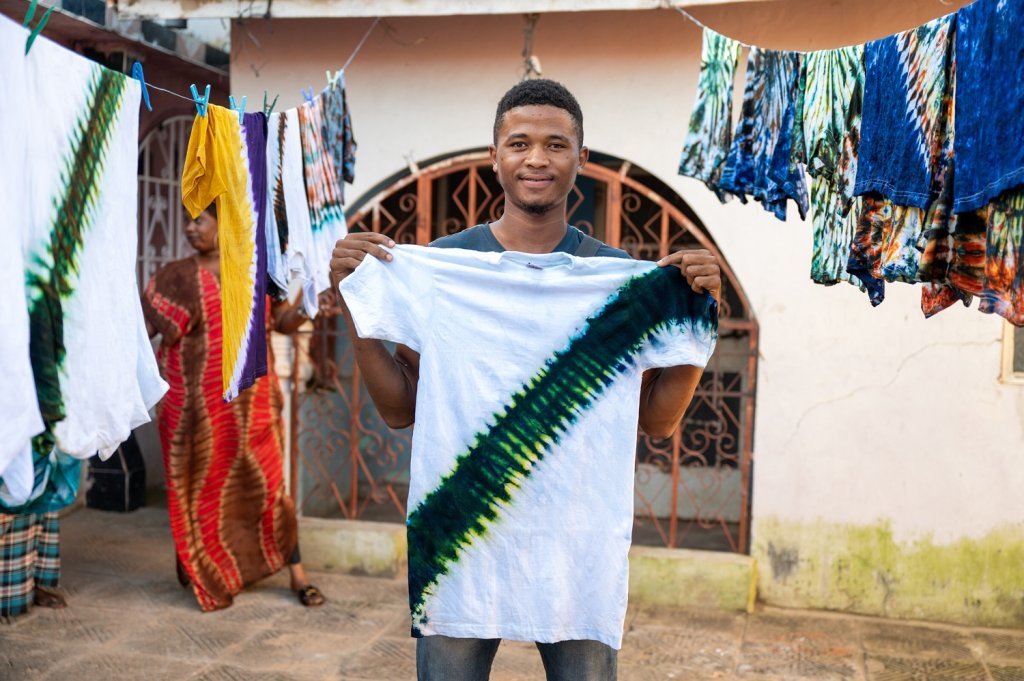
The groups also aim to improve the perceptions of returnees within the local community, explains IOM, as negative perceptions can often stand in the way of reintegration. The groups try and offer returnees life skills, such as the ability to speak publically, as that can help with their search for work and feeling like they have a future back in their home country.
Sometimes returnees play football as that tends to bring "a lot of joy," to the participants, explained the head of one MPSG in the West Coast Region. "After the game we talk about the experiences we went through and try to help each other," explains Mustapha Juwara.
Juwara admits that before joining the group, he had experienced mental health challenges but feels the people he has got to know through the group have helped a lot. "The relationships I’ve built here will last my whole life."
Ali told IOM that being a member of the group is helping him rebuild trust and giving him a sense of belonging.
With AFP