
Spanish authorities are searching for up to 300 persons who have been reported missing in the Atlantic Ocean. These migrants embarked on their journey from an area in Senegal and were headed to the Canary Islands.
Spanish search and rescue authorities (Salvamento Marítimo) have been searching for approximately 300 migrants, primarily from Senegal, who have been reported missing in the Atlantic Ocean for several days now. Local Canary Islands news portal Canarias7 reported that on July 6 and 7, the Spanish authorities received reports of the group setting off to sea, and sent out surveillance planes in an effort to locate them.
Despite search efforts south of Gran Canaria and Tenerife, the planes have been unable to sight the boat, Canarias7 reported on July 8. The Spanish migrant rights charity Caminando Fronteras (Walking Borders) also flagged the incident on its Twitter feed last Friday.
According to Helena Maleno Garzón, the head of Walking Borders, many of the individuals on board are believed to be children. Garzón expressed her concerns, stating that if the boat is not found soon, a "catastrophe" could occur.
At least 300 missing
By July 9, Reuters reported that there were at least 300 migrants traveling on three separate boats. Two of the boats, carrying approximately 65 and 50-60 people respectively, have been missing for 15 days, according to Maleno Garzón.
A third boat, which was reported to have left Senegal on June 27, is believed to have approximately 200 people on board. Maleno Garzón informed Reuters that the families of those on board are extremely worried. "There are about 300 people from the same area of Senegal. They have left because of the instability in Senegal," she explained.
Also read: Canary Island route proves deadly again
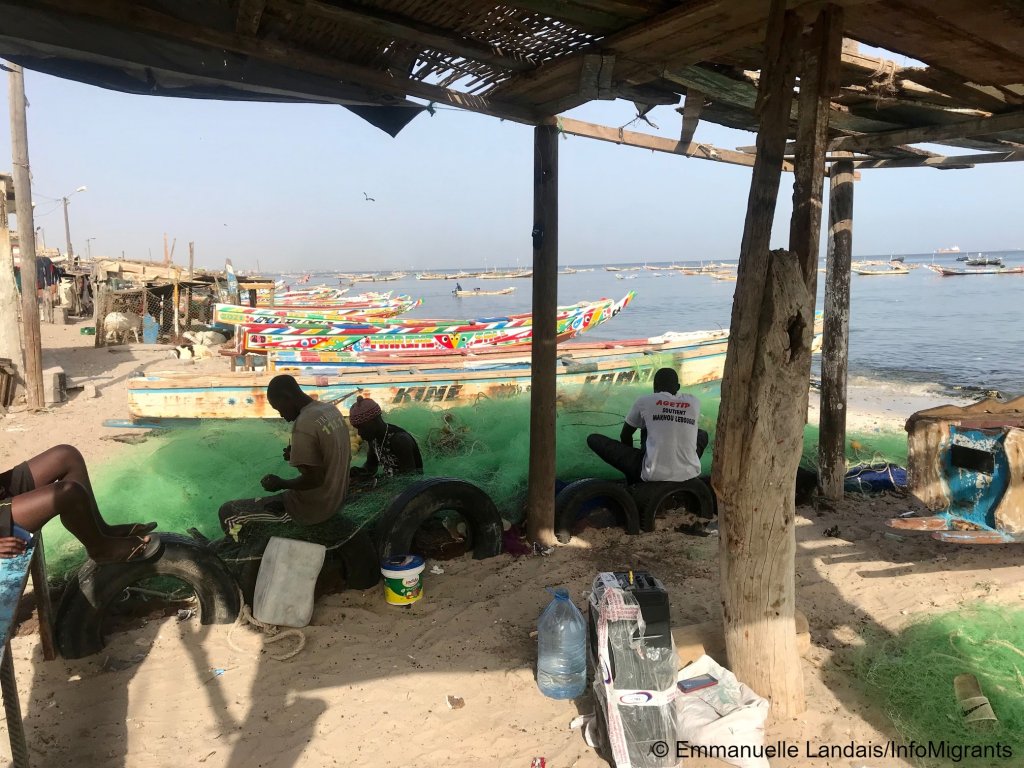
The departure point of the fishing boat, Kafountine, is a coastal town in southern Senegal, located approximately 1,700 kilometers from Tenerife reports BBC. In the past, many of the boats departing from Senegal tend to sail north along the West African coast towards Morocco or Mauritania before sometimes picking up additional passengers and then making the slightly shorter crossing towards the Canary Islands.
However, tides, weather and a lack of proper navigation equipment often cause these boats to veer off course. Increased coast guard activity in countries like Morocco might also deter boats from sticking to the African coast for so long, leading them to attempt a direct crossing from their port of departure.
Also read: More than 50 dead in latest crossing attempt from Morocco
Latest boat tragedy claims dozens of lives
Last week it was reported that at least 51 people lost their lives when a boat with at least 55 migrants on board sank off the North African coast en route to Spain's Canary Islands. The boat had reportedly embarked on the journey from Tan-Tan city in southern Morocco, and only four people could be rescued by Salvamento Maritimo, and brought to the island of Fuerteventura.
The route from West Africa, across the Atlantic Ocean towards the Spanish archipelago the Canary Islands is one of the most dangerous routes towards Europe, partly because of the distance and the weather and currents en route, and partly because of the quality, or lack thereof, of the boats that attempt to make the crossing.
Missing migrants
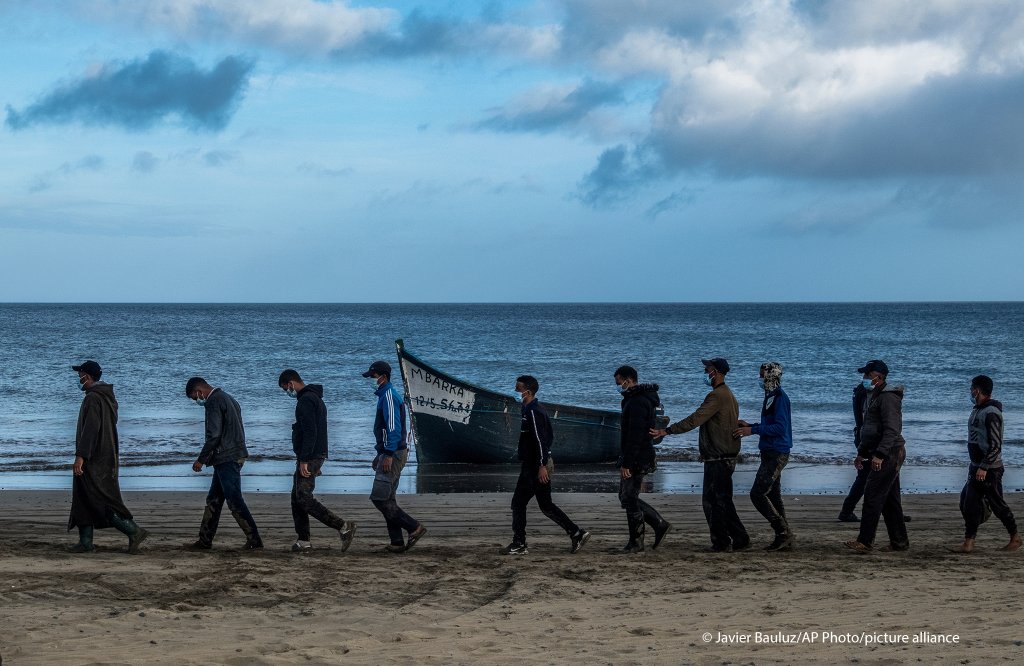
According to the UN Migration Agency IOM's Missing Migrants project, at least 559 people died in their attempt to reach the Canary Islands last year, including at least 22 children. The actual number of those missing and dead could be much higher, since many of those who depart do not tell even their closest family members or friends before leaving. Furthermore, the route to the Canary Islands is much less trafficked by other boats compared to the Mediterranean routes towards Europe.
At the end of June, the Spanish Ombudsman announced an investigation into whether the Spanish authorities contributed to the death of around 30 migrants on board a dinghy that set off from Morocco.
Walking Borders and the organization Alarm Phone, which monitors migrant journeys towards Europe, both accused the Spanish authorities of not intervening fast enough to try and rescue those on board the boat. At the time, Walking Borders said that the boat sank around 64 kilometers off the coast of Morocco, 12 hours after initial requests for help were made.
Also read: Deaths on Canaries route highlights lack of coordinated rescue ops
Spain investigated
Reuters reported that when the authorities arrived at the scene, a child and an adult man were found dead, and 24 people were rescued by the Moroccan authorities. The remaining migrants reported to be on board have not been found.
A Spanish rescue ship, located around 64 kilometers away from the boat in distress, had already rescued 63 other migrants from a separate boat and was ordered to return to port with them, as several of them needed medical attention, reports Reuters.
A source in Spain’s Ministry for Transport stated in response to an inquiry by Reuters: "At no time did the Moroccan authorities ask Spain’s rescue service for assistance or mobilization of resources, except in the final moments when the mobilization of a helicopter was requested. The resources are always at the disposal of any emergency and this was no exception."
With Reuters
🎧 Also read and listen: Tales from the Border podcast --Crossing the vast Atlantic Ocean