
The Dutch cabinet spoke for over five hours on Thursday, as divisions appeared in the coalition over how to implement migration policy, in particular a law regarding family reunion. Prime Minister Mark Rutte indicated on Friday things were more hopeful.
The Dutch cabinet is made up of a coalition of several parties with differing views on migration policy. The main point of disagreement is over family reunifications for war refugees and how to implement it.
Broadly speaking, the center-right/liberals People’s Party for Freedom and Democracy (VVD) of Prime Minister Mark Rutte and the center-right Christian Democratic Alliance (CDA) advocate a tougher stance on migration, while the center-liberal Christian Union (CU) and the center left-Democrats’ 66 (D66) aim towards a more humanitarian approach on the matter, in line with the international agreements to which the Netherlands is already a signatory.
After a five-hour discussion on the subject on Thursday (July 6), which ran until 1:45 am, Mark Rutte told the European news portal Euroactiv that the parties were "in conversation to reach an agreement on migration. This was one step in a process of steps."
Housing Minister Hugo de Jonge (CDA), another member of the cabinet, also indicated that things seemed to have shifted in a positive manner. "It’s a big difference from yesterday. We have spoken for five hours now. You don’t do that if you don’t think you can come closer together," he told Euroactiv.
Also read: Dutch courts rule that asylum seekers cannot be sent back to Italy
Row over family reunions
Prior to the talks however, Euractiv described the Dutch cabinet as being on "life support," especially due to its disagreement over family reunifications.
The VVD want to place a cap on the numbers of reunifications per month, capped at 200 and also ask those wanting to bring over family members to wait at least two years before doing so. The CU and D66 are opposed to this idea. In June, the VVD said they would be willing to let the whole cabinet fall rather than make concessions on this policy.
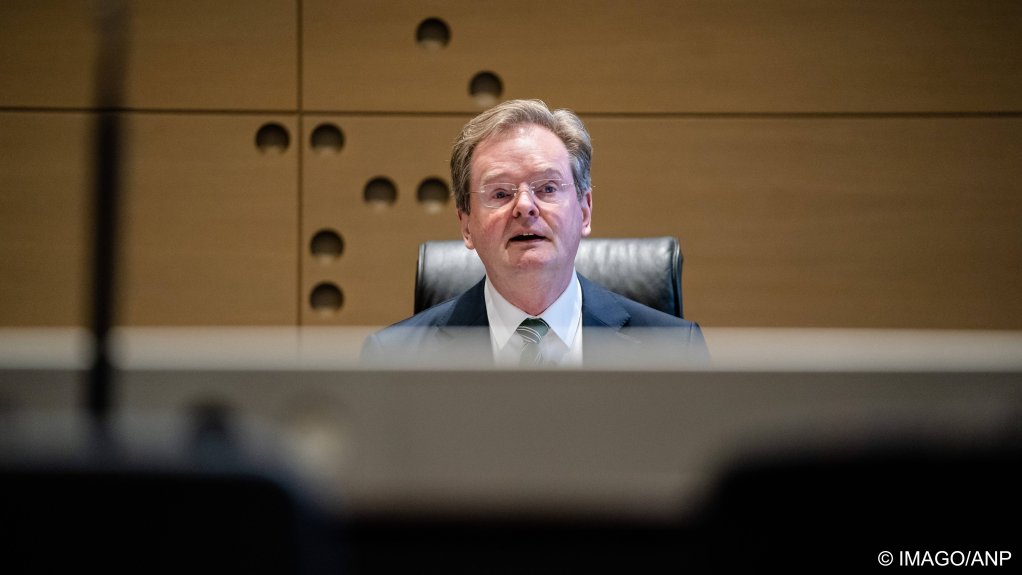
Dutch courts already passed judgement on the subject of family reunification in February this year. The country’s highest administrative court, the Council of State, ruled that a restriction placed on the number of family reunifications was in violation of both Dutch and European law.
At the time, the Ministry of Justice said that the ruling meant that about 1,200 refugee families in the Netherlands would benefit from the reversal of restrictions. Prior to the final ruling, the Dutch government had sought to appeal lower courts’ decisions which also ruled that it was illegal to restrict the right to family reunification for recognized refugees.
Overcrowding in asylum shelters
The Dutch government argued that a spike in numbers of people seeking asylum in the country had made those reunions impractical, in part due to a shortage of temporary accommodation.
Since last summer, there has been repeated reports of overcrowding in asylum centers in the Netherlands, with some asylum seekers sleeping in tents. A court ruled that some of the accommodation offered was "inadequate."
Last August 2022, the situation became so difficult to manage that the medical humanitarian charity Doctors without Borders (MSF) deployed teams to some tent asylum seekers to help the Dutch authorities manage the situation.
Asylum applications in the Netherlands increased by a third last year, to over 46,000. Estimates sugggest this year’s applications figures will top 70,000, even greater than the numbers seen in 2015, reports Reuters.
Also read: The Netherlands urges EU visa restrictions to curb migration
Asylum seekers in the Netherlands
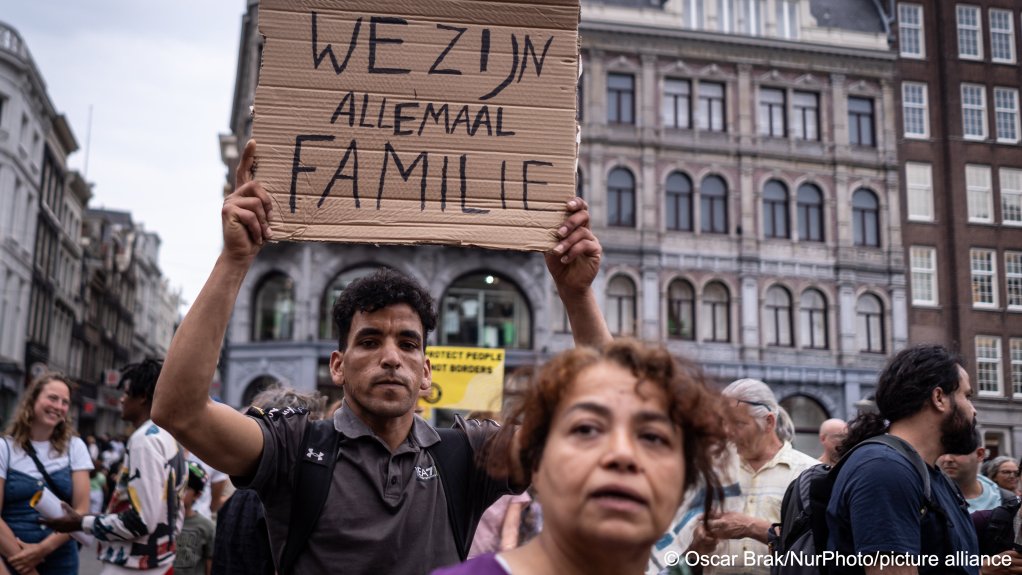
In order to try and cope with the numbers of asylum seekers and refugees, the Dutch government had proposed dividing asylum seekers in to two categories. Those who have been persecuted for their political, religious convictions or sexual orientation would have the full refugee rights, including the right to family reunification, whereas those classed as "war refugees" would be deemed to be in the country for a temporary amount of time and would enjoy fewer rights as the idea is they could return to their home country once the war had passed.
But the CU and the D66 said that they could not concede on the point of family reunification because family values is at the heart of the CU’s ethos in particular. Mirjam Bikker, leader of the CU told Euractiv "there are things you can ask us, and there are things you cannot ask of us," when questioned about the family reunification cap proposed by Rutte’s party.
It is expected that discussions will continue on Friday and that a decision will be made by Monday (July 10) at the latest.
Despite the more positive statements coming from certain party leaders, the Dutch public broadcaster NOS, led with a headline saying the "fall of the cabinet does not seem far away," and indicated that Rutte was on a "collision course" with his coalition partners. If the cabinet were to fall, new elections would have to be called, with immigration and how to manage it forming one of the main issues for politicians to campaign.
With Reuters and AFP
Also read: Dutch court orders government to clean up inhumane migration centers