
The UK Illegal Migration Bill removes previously set safeguards on detention periods for people attempting to enter the country through irregular means. Medical experts warn that prolonged detention poses grave health risks, particularly for children.
Britain’s top medical authorities warned that the prolonged detainment outlined in provisions of the proposed illegal migration bill could cause "unimaginable levels of harm" -- such as the development of post-traumatic stress disorder -- for refugee children, British newspaper The Guardian reports.
In an open letter sent to UK home secretary Suella Braverman and health secretary Steve Barclay, The Royal College of Pediatrics and Child Health, the British Medical Association, the Royal College of Psychiatry, the Royal College of General Practitioners and the Faculty of Public Health called for an urgent meeting to discuss the serious harm and risks refugee children in detention face.
In excerpts of the letter published on the Refugee Council website, the experts explained that along with prolonged detention could heighten also suicidal thoughts and other mental and physical risks surfaced during an already traumatic journey to cross borders.
“The evidence is clear that it (detention) causes horrific harm to their physical and mental health with lifelong consequences. We cannot stand by and allow this bill to put vulnerable children through such cruelty. That’s why we are calling for an urgent meeting – to urge the government to put an end to these appalling proposals,” wrote Kevin Fenton, president of the Faculty of Public Health.
Removing time limits set for detention
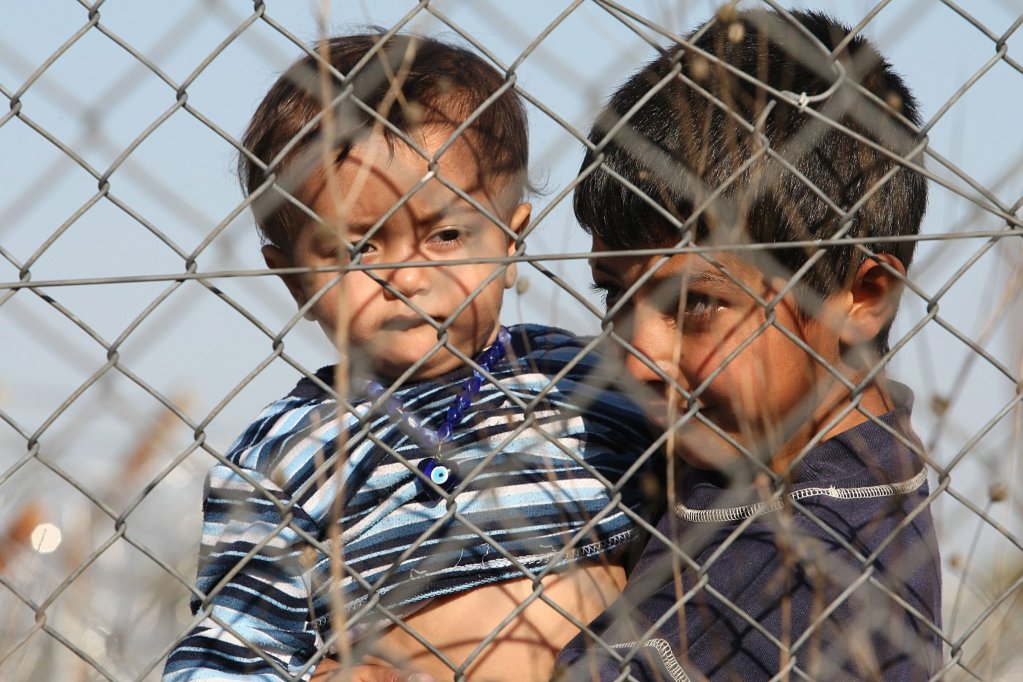
The illegal migration bill, which has been the cornerstone of UK Prime Minister Rishi Sunak’s migration reform policy, has drawn wide criticism from rights groups.
“The Home Secretary has the power to detain anyone who arrives in the UK without prior permission, including children, whether they are lone children or with their family,” said Refugee Council in a statement.
Current laws set time limits to 24 hours for the detention of separated children and 72 hours for those in families. Detention beyond those set limits would require ministerial approval.
If passed into law, these safeguards would be removed, giving the home secretary new indefinite detention powers for both unaccompanied children and children with their families.
A Refugee Council impact assessment found these proposed changes could affect over 45,000 children in the first three years of the bill's implementation, including nearly 15,000 children who have come to the UK alone.
A spokesperson for the UK Home Office defended the bill to The Guardian, “We have additionally clarified that an unaccompanied child can also only be detained in very limited circumstances. The statistics do not take into account how the bill will be implemented and do not include any allowance for the deterrence effect of the measures in the bill.”
Children fleeing
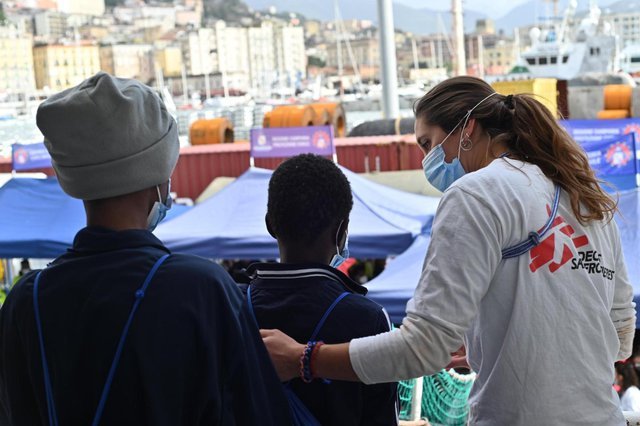
As of September 2022, over 5,100 asylum applications were filed by unaccompanied children in the UK. Most were between 14-17 years old and had come from Sudan.
The northeastern African country has faced years of political instability following a civil war. Last April, intense clashes between Sudan's two military ruling parties erupted, causing thousands to flee.
Within the wider European Union, more than 500,000 individuals were estimated to have applied for asylum. Almost a third were children under the age of 18.
International health organization Médecins sans Frontières (MSF) also slammed the UK's illegal migration bill in a statement.
"MSF teams around the world have witnessed how detaining and containing people seeking safety in high security, official and de-facto detention settings cause significant medical harm whilst stripping them of their dignity and humanity. This is particularly apparent in children," read the statement.
In an examination of the impact of detention on refugee children in reception centers in Greece and Nauru island, MSF found that children exhibited trauma and fear-induced behavior in response to containment.
Between 2019 and 2020, MSF medical staff declared a mental health emergency in the wake of alarmingly high rates of self-harm and suicidal acts among children in reception centers in Lesbos.
More than two-thirds of the 180 patients who experienced self-harm, suicidal ideation or attempted suicide were children. The youngest was a six-year-old child.
“The UK government has publicly stated that it is using the Greek and Australian models for this plan, but MSF has worked in both contexts, and we have seen that detaining and containing children inflicts severe, lasting damage to their physical and mental health. The government’s plans to replicate these models in the UK are unconscionable,” said Natalie Roberts, executive director of MSF UK.