
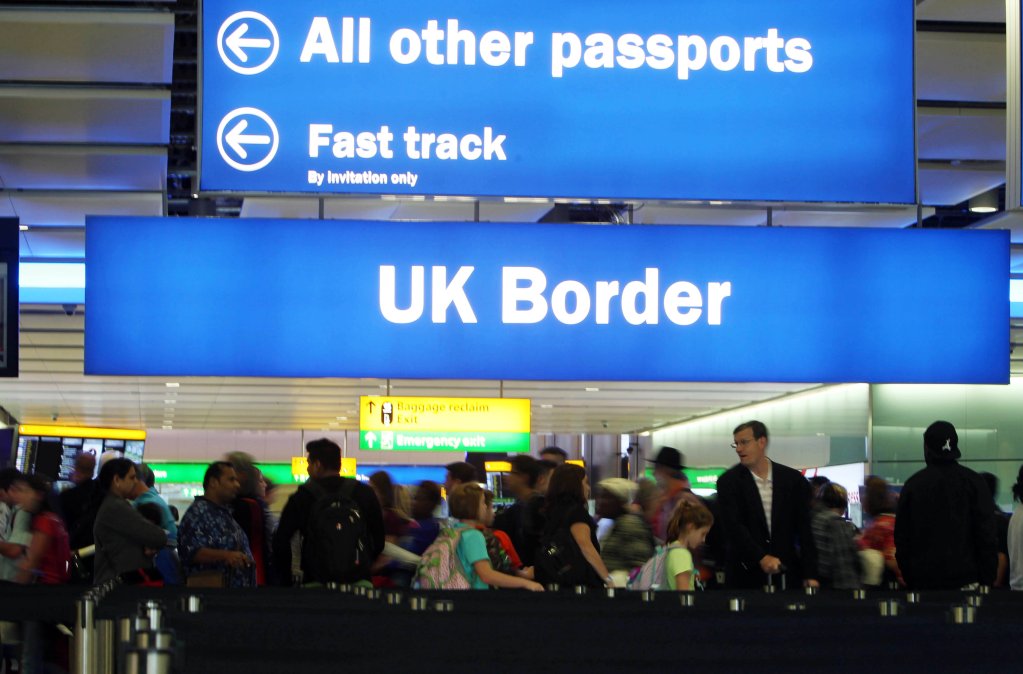
The UK aims to attract a skilled worker inflow while cutting immigration in the wake of Brexit. But net migration is on the rise show the latest figures from the Office of National Statistics.
On a visit to the Channel port of Dover on June 5, British Prime Minister Rishi Sunak gave a speech on the situation of small boats crossing the Channel. He insisted that crossings were down by 20%. "I will not rest until the boats are stopped. With grip and determination, the government can fix this, and we are using every tool at our disposal."
The Prime minister’s speech came shortly after figures published on May 25 showed that net migration in Britain hit a record high of 606,000 last year, despite post-Brexit restrictions. The majority of British voters from across the political spectrum think migration is too high, according to polls.
At the same time, voters say they want more nurses, doctors and workers in the hospitality sector. As the weekly British news magazine The Economist aptly wrote, "Britons may not much like immigration, but they are keen on immigrants."
Record immigration numbers
"A combination of factors has led to record immigration numbers in the UK," said Jonathan Portes, a professor at King's College London. "The first is an increase in the number of refugees, many of whom are from Ukraine and Hong Kong. The second is the arrival of international students, particularly from India and Nigeria. Finally, the numbers of those coming to work have also risen," he added.
Not long ago, it seemed as if the UK had turned against mass migration once and for all. Britain voted to leave the European Union in 2016, with immigration cited as one of the main reasons. Leaving the EU meant an end to free movement and trade with the EU. In its isolation, the UK suffered from worker shortages and higher bills for customers.
Then in 2022, "a series of unprecedented world events and the lifting of restrictions following the COVID-19 pandemic led to record levels of international immigration to the UK," wrote Jay Lindhop, Director of the Centre for International Migration, Office for National Statistics in an email to InfoMigrants.
Today, the new, post-Brexit immigration system has reduced migration from the European Union in favor of migration from the rest of the world. "Brexit has not been good economically for the UK, but we are steadily gaining a comparative advantage over Europe with the rise in international students and skilled worker inflow. This is especially the case in the higher education and finance, business and tech sectors," said Portes.
A softer public opinion toward migrants
At the same time, attitudes toward migration have softened. "The public expects a well-ordered and carefully managed system of immigration, but they also want the system to be flexible, responsive and compassionate. An agenda on immigration and asylum which captures this perspective could command broad support," wrote Marley Morris, associate director for migration, trade and communities at the Institute for Public Policy Research.
The Conservative government is split on an economic point of view on how to elaborate this agenda. "The Treasury Minister [Jeremy Hunt] wants more immigrants and there is nothing particularly unusual about that," said Portes. "The Home Secretary [Suella Braverman] wants fewer; again, that’s normal. It’s true that Braverman is particularly unpleasant in some of her anti-migrant, xenophobic rhetoric, but then of course the same is true in France with the Minister of the Interior Gérald Darminin."
Braverman faced heavy criticism in October 2022 when she described the arrival of asylum seekers on the United Kingdom's southern coast as an "invasion" the day after an attack on a center for asylum seekers in Dovers. The Home Secretary later courted more controversy after declaring Britons of Pakistani origin were "predominant" in the country's prostitution gangs.
While waiting for the record-high immigration numbers caused by temporary factors to go down, the government has been cracking down on the people crossing the English Channel in small boats (some 45,000 arrived this way last year).
Floating prisons off the coast of Dorset
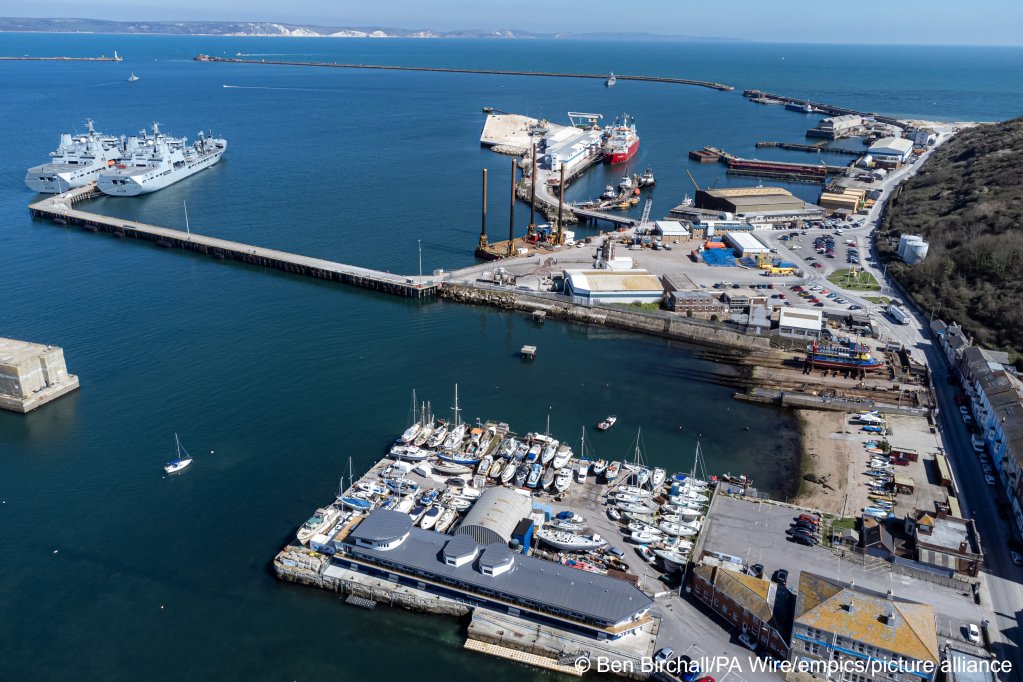
Among the measures employed by Sunak’s government to stop the small boats, is the "illegal immigration bill" which aims to bar people who have crossed the Channel in small boats from requesting asylum in the UK. Associations have also denounced the government’s plans to house asylum seekers on giant ships. The first of the floating accommodation centers will be docked off the coast of Dorset in South-Western England in June and another two will accommodate another 1,000 asylum seekers.
As a general election approaches next year, the Conservative government's survival will depend on controlling immigration. On the other hand, it will have to ensure the country has enough workers in its medical, culinary and hospitality sectors, among other sectors. "Immigrants from all over the world are coming to the UK and no longer just from the EU. India and Nigeria have a surplus of young people, while EU populations will shrink [. . .] Germany is trying to catch up with the UK in this respect," said Portes.
In this shifting environment, where wealthy countries are in competition with each other for skilled workers and students, potential migrants might benefit from changes in the political environment or migration law in the UK, say certain experts.