
Under a deal with Britain, Rwanda will act as a "safe third country" where asylum seekers to the UK can be deported to have their asylum application processed. Is Rwanda, ranked as one of the most climate-impacted nations in the world, prepared to take in more refugees?
Earlier this month, various parts of Rwanda were pummeled by days of consecutive rainfall that brought "shocking floods and landslides", leaving 131 people dead and affecting more than 50,000.
As Rwanda struggles to manage its climate-induced emergencies, it is also preparing to host asylum seekers from the United Kingdom.
Under a deal with Britain struck in April, the UK has identified Rwanda as a "safe" third country, where asylum claims of those who will arrive on its shores irregularly will be processed. Under the plan, those granted asylum will stay in Rwanda.
International human rights organizations, advocacy groups, and asylum seekers condemned the measure, calling it “obscene” and “damaging”.
Last month, asylum seekers and refugee groups challenged Britain's plan to send hundreds of migrants on a one-way trip to Rwanda in court, claiming that it is unlawful.
However, countries that are moving towards more restrictive policies to curb migration like Italy applauded the move.
Britain has reportedly paid Rwanda £120 million (€ 140 million) for the planned outsourcing of its asylum procedures.
Safe for asylum seekers?
Rwanda, a landlocked region located in East Africa, is one of the most climate-impacted nations in the world.
The Notre Dame Global Adaptation Initiative (ND-GAIN), which calculates a country's vulnerability to climate change alongside its readiness to improve resilience, ranked Rwanda as the 10th most vulnerable country to climate change.
However, the study noted that while the country is on the road to responding effectively to climate change, “the adaptation needs and urgency to act are greater.”
According to the World Bank, Rwanda is highly vulnerable to climate change and since the early 2000s, both the frequency and severity of weather-related disasters such as floods and droughts have increased.
For many years, Rwanda has positioned itself as a "land of refuge" for refugees from all over the world. Under President Paul Kagame, the country's approach to welcoming migrants is presented as a model of hospitality in Africa.
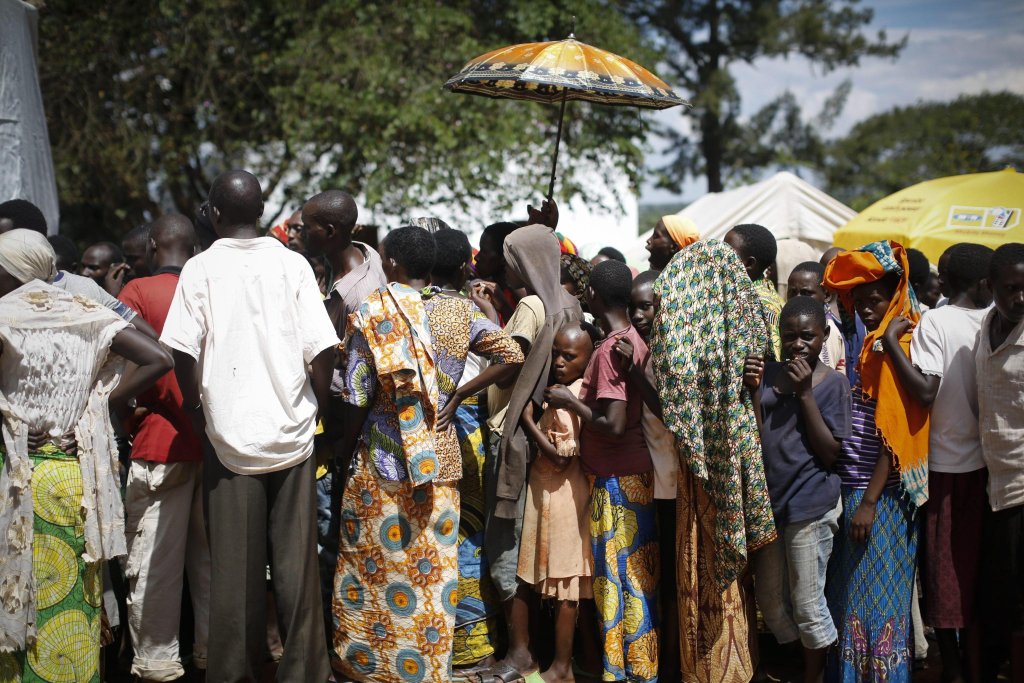
Currently, there are a recorded 126,429 refugees in Rwanda, mainly people fleeing from internal conflict in the Democratic Republic of the Congo and Burundi. Approximately 91% of refugees in Rwanda live in refugee camps. Last year, the country offered asylum to Afghans fleeing the arrival of the Taliban.
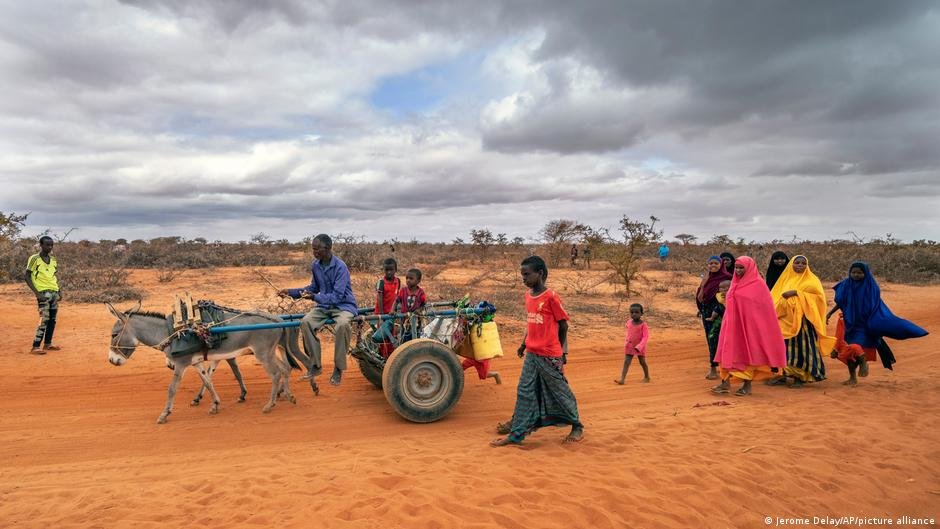
Due to constraints on land availability, refugee camps are located in remote communities and in areas more likely to experience extreme weather events that include flooding, landslides, and water shortage during dry spells.
These conditions are worsened by the population density of host communities.
Humanitarian groups have underscored the need for risk reduction measures to help camps located in high-risk areas become more resilient to climate shocks.
However, moving refugee populations out of an established refugee camp site is costly and disruptive, and is only usually undertaken when the government deems it necessary.
UK ignored climate risks in Rwanda
Last December, the charity Christian Aid claimed that the British government ignored climate risks in Rwanda in its plans to send asylum seekers to the East African country.
The UK foreign office had earlier published a report highlighting climate-linked threats affecting Rwanda which include risks to food security due to soil erosion caused by heavy rainfall, health threats linked to higher temperatures, and the increased spread of vector-borne diseases such as malaria.
The report predicted that these conditions would worsen in the coming years due to the onslaught of global warming.
According to Christian Aid, a Freedom of Information (FOI) request established that the British Parliament did not consider climate risk assessments in its plans for deportees being sent to Rwanda.
"Any basic research into the climate dangers posed to Rwanda would have found warnings ... which show that the country is unsuitable for vulnerable people in need of support to build a safe and prosperous life," a Christian Aid spokesperson told news agency Context.
In response, a UK Home Office spokesperson said the UK-Rwanda deal was "ground-breaking".
"Rwanda is a safe country with a track record of supporting refugees. The UK government already works extensively with the Government of Rwanda to help mitigate the impacts of climate change and to develop new green solutions for the future," the spokesperson said in an email response to Context.
Thirty-two of the world’s 48 economically developing countries are located in Africa. The 2021 UN Intergovernmental Panel on Climate Change (IPCC) report warns that at 1.5 degrees Celcius of heating, heavy rainfall, and related flooding are projected to intensify while extreme drought is already being felt in southwest Africa.