
The EU-led sea operation IRINI has helped rescue more than 1,200 refugees and migrants from distress at sea in the Mediterranean this month. In the past week alone, there were two sea rescues by Italian ships which involved in IRINI.
According to data provided by the German Foreign Office, 656 people were rescued in the Mediterranean Sea on April 13 with the help of Operation IRINI, and 610 people on April 16. In both cases, the rescued migrants were taken to Sicily.
In total, IRINI crew were involved in four sea rescue operations during its current mandate period, which ends at the end of April. For comparison: in its first year of operation, it didn't assist with any sea rescues at all; however, as this period coincided with the onset of the COVID-19 pandemic and related restrictions, numbers of attempted crossings and arrivals in the EU plummeted during that time.
Operation IRINI was launched in 2020 to replace the previous operation of EU Naval Forces (EUNAVFOR) in the Mediterranean, named SOPHIA. Operation SOPHIA had been established in the summer of 2015 "as part of the EU's comprehensive approach to migration," according to EUNAVFOR.
EU response to UN resolution
Operation IRINI is primarily tasked with ensuring that the stipulations of the UN arms embargo against Libya are implemented, which was imposed on Libya in 2016 after civil war broke out in the country (United Nations Security Council Resolution 2292).
In its own words, the EU operation says that it accomplishes its objectives "through the use of aerial, satellite and maritime assets."
Importantly, the current mandate for Germany's participation in Operation IRINI, also stipulates that "(a)ll maritime units deployed … are subject to the obligation under international law to provide assistance to persons in distress at sea."
Read more: UN votes to continue inspection of vessels suspected of migrant smuggling from Libya
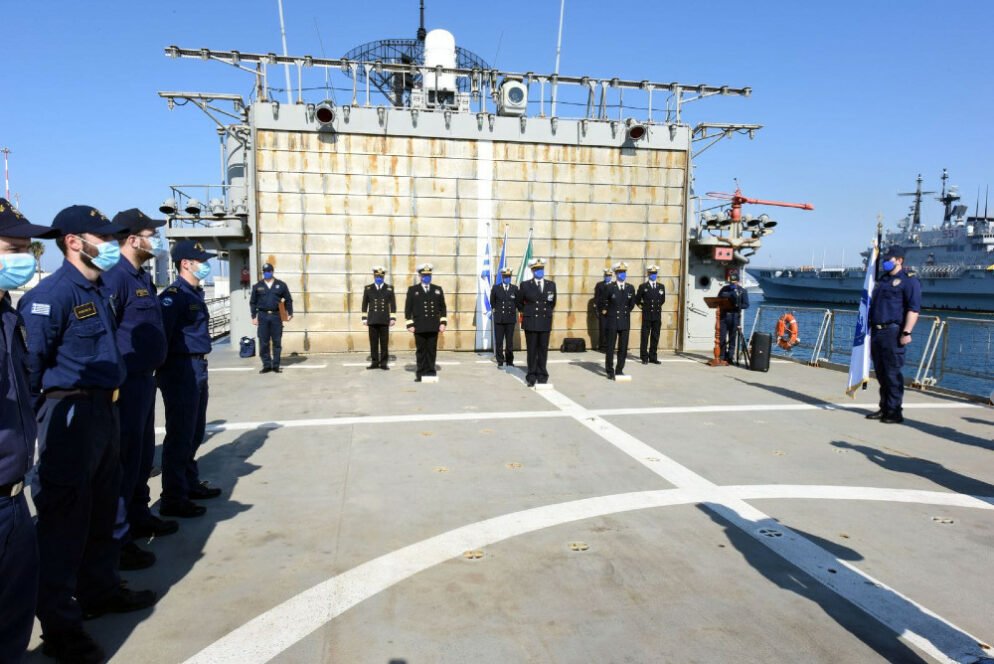
Patroling large parts of Mediterranean
However, the EU operation is also involved in preventing the illegal export of oil and oil derivatives from Libya and in gathering intelligence required to combat smuggling networks. With a budget of almost €10 million, the operation also is tasked with conducting reconnaissance missions in the airspace above these areas as well as adjacent sea areas.
Operation IRINI covers the Central and Southern Mediterranean Sea outside the territorial waters off Libya and Tunisia and south of the Italian island of Sicily. The sea area around Malta, however, is excluded.
Operation IRINI, however, has also come under criticism for supporting Libya's coast guard, which is accused of being complicit in human rights abuses, in the past with training and the exchange of information.
Read more: Human rights organizations denounce Libya-EU cooperation agreements on five-year anniversary
Change in direction
The German government said it wants to continue its participation in IRINI at least for another year until April 30, 2024.
The Bundestag, Germany's lower house of parliament, however still has to approve the mandate for the continued deployment, which involves up to 300 soldiers.
Green Party member of the Bundestag Max Lucks presented the latest number to the house, and said that "saving the lives of people in distress at sea is not a matter of political attitudes -- saving lives is simply our humanitarian duty."
"For far too long," he added, "Germany had followed the false premise that avoiding to help (migrants at sea) would minimize dangerous migration attempts."
He stressed that it was "good" that for the past year under the new federal government, this attitude had changed.
Read more: EU Parliament approves migration emergency plan
With dpa, EUNAVFOR, Bundeswehr