
Lengthy asylum processes and the uneven implementation of educational programs for asylum seekers across the European Union are hurting unaccompanied minors' prospects of integration and employment, according to ECRE.
The European Council on Refugees and Exiles (ECRE), an alliance of more than 100 non-governmental organizations in 40 countries in Europe, says that delays in the registration of asylum applications and administrative barriers to accessing education are hurting integration and long-term employment of unaccompanied minors.
In a report released this week which analyzed country information about reception conditions and detention across 20 European countries, ECRE noted that asylum-seeking children in detention centers have little to no access to formal education.
According to the ECRE in Bulgaria and Greece, "asylum-seeking children in detention centers have no access to formal education [at all]. In Poland, classes organized for detained children do not cover the minimal scope of a compulsory curriculum."
"Given the high proportion of children, adolescents, and young adults among asylum seekers, it is extremely important that the right to education is guaranteed as early as possible, not only in terms of compulsory education but also as regards secondary, vocational, and higher education," ECRE said on its website.
The refugee rights group also emphasized the link between inclusive education and training to successful integration into the receiving country, which includes participation in the labor market.
The right to education
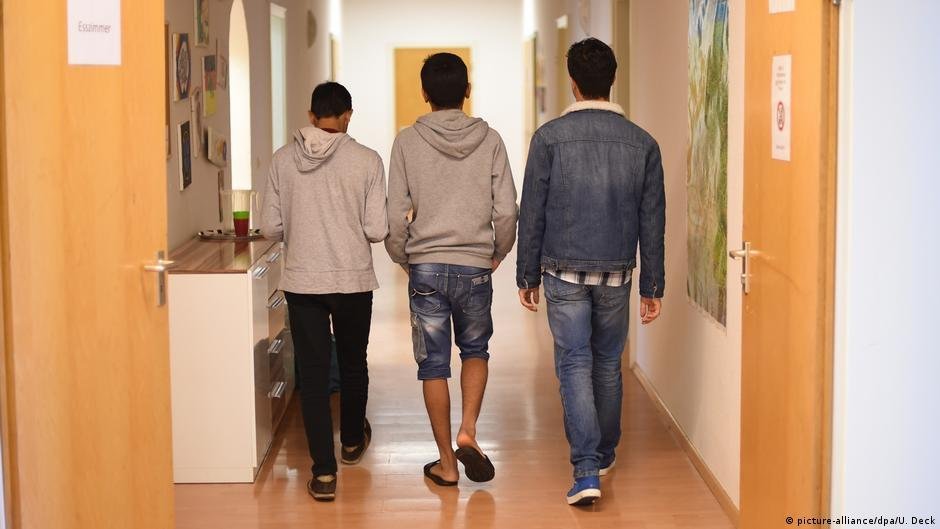
In 2021, more than 500,000 individuals were estimated to have applied for asylum in the EU, and almost a third of them were children under the age of 18.
Within the EU legal framework, access to education for asylum-seeking and unaccompanied children is protected under the Reception Conditions Directive and the Action Plan on Integration and Inclusion.
As stated in Article 14 of the Reception Conditions Directive, EU member states must grant minor applicants access to education within three months of the date from which the asylum application was submitted.
However over the past year, the EU has received the highest number of applications for asylum since the initial surge of refugees and migrant which was recorded in 2015-2016. As of January, there were an estimated 644,000 asylum cases awaiting first-instance decisions.
Slow processing times
Applications for asylum are classified according to the state or status in the asylum procedure. First-instance decisions refer to a decision granted by the respective authority in the receiving country.
Data compiled in the Asylum Information Database indicates that the processing time and recognition rate for asylum applications together can average much longer than the three-month period stipulated by the Reception Conditions Directive.
In Germany, for example, the processing of an application on average takes about 219 days, and in Sweden, it might be as long as 293 days.
Furthermore, those are just average number. In Germany, for example, the average processing time of 7.3 months can run up to 21.9 months for certain applicants, in particular for Somali nationals.
Barriers to accessing schooling
Apart from the delay in processing asylum applications, many administrative and practical barriers -- such as limited school capacities, the reluctance of schools to enrol large numbers of foreign students, lack of documentation, and other factors -- also add to the difficulty of young migrants accessing mainstream education.
"Even when asylum-seeking children can access mainstream education, that does not automatically mean that they study alongside local children," ECRE stressed.
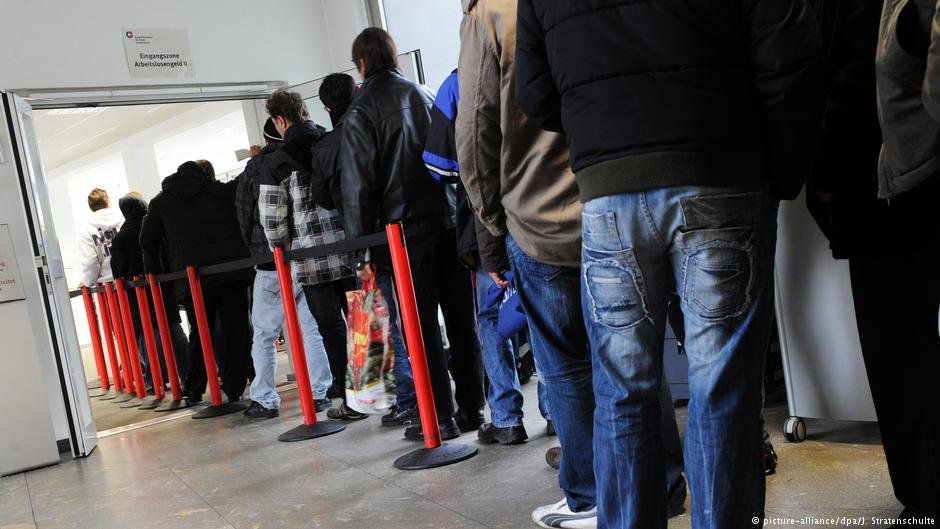
In Hungary, for example, local schools only accept asylum seekers in segregated classes, hindering the inclusion of children within the country.
The ECRE report, however, also noted some examples of positive education policies and various references online to support teachers and schools; it highlighted for example that in Germany, children from a transit center who had sufficient German language skills could access the mainstream school system in a straightforward manner.
In Portugal, enrolment in public schools is guaranteed within two weeks on average. In addition, the country also offers social assistance for the purposes of food, accommodation, financial assistance, and school supplies.
'In limbo'
An article in the International Journal of Refugee Law highlighted that the needs of unaccompanied children were "often of secondary concern to States."
State interventions with a narrow focus on children's basic needs and survival deny children agency and autonomy, and negatively affect their well-being, the periodical found.
According to the study, the use of uncertain legal status as a means to "discourage children from persisting with protection claims, to deter others from arriving, or to hold children in limbo until they reach adulthood" was of particular concern.
"The European Commission should maximize funding opportunities for civil society organizations, including refugee-led organizations, to support their activities focusing on accessing education," ECRE said.
The report concluded that barriers faced by asylum seekers when accessing education should be removed and the implementation of education programs outlined and mandated in integration and inclusion strategies, which need to be systematically assessed and monitored.