
Sunday's shipwreck off the Calabrian coast of Italy was one of the country's deadliest in years. Rescue workers say new laws governing Mediterranean rescue missions will increase the number of these types of wrecks.
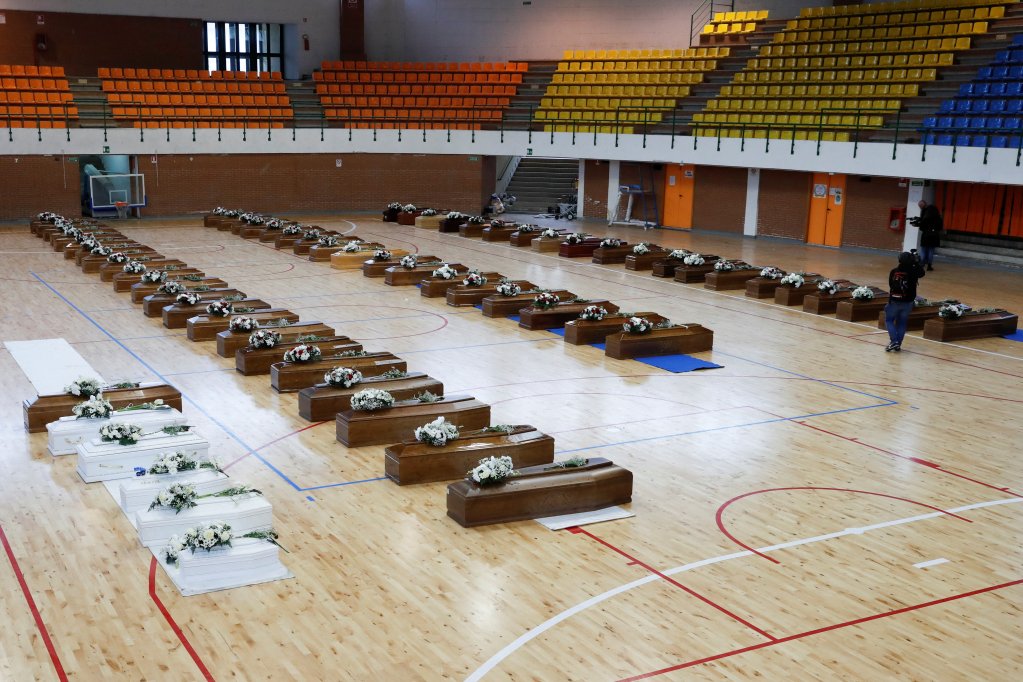
The Italian coast guard is still combing nearby beaches for bodies after a boat of migrants crashed against a rocky bank and broke into pieces Sunday morning (February 26). At least 65 people have been declared dead, making the wreck one of Italy’s deadliest in the past ten years.
Three men have been charged with the alleged trafficking of the 150-200 people aboard. So far 80 have been rescued, but many are still missing. Survivors told local media they paid smugglers between five and eight thousand euros ($5,300 to $8,500).
"We haven't seen anything like this in Italy since October 3, 2013," Sara Prestianni, who leads the Migration and Asylum program at the NGO EuroMed Rights, told InfoMigrants. On that day, a boat from Libya carrying around 500 people sank less than a kilometer off the coast of the Italian island of Lampedusa, killing 368.
Although European agency Frontex was alerted to the boat on Saturday, bad weather conditions made a rescue impossible. The wooden vessel took off from Turkey late last week over the Mediterranean to Italy the most dangerous migration route to Europe.
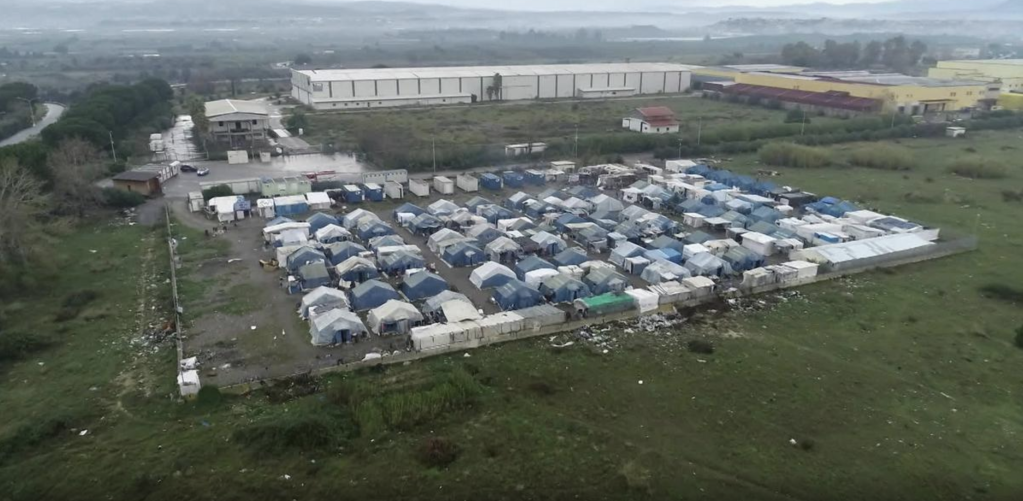
New decree
The shipwreck comes three days after a controversial Italian decree came into law requiring civilian rescue ships to request a disembarkation port as soon as a sea rescue has been made. Upon receiving a port, they are required to sail there immediately.
Since large vessels typically remain at sea for several days to make multiple rescues before returning to a port, sea rescue workers say the law “obstructs lifesaving efforts” and “will cause more deaths.”
The Italian government is also requiring rescue ships to disembark at ports that are far out of the way from where rescues take place.
“The illegal Italian decree attempts to withdraw rescue ships from the area of operation and thus prevent rescues,” Maximilian James, a spokesman for the German rescue NGO Sea-Eye told InfoMigrants. “It is quite clear: the fewer rescue ships there are in the Mediterranean, the greater the danger that people will die. This was also the case last weekend.”
Sunday’s wreck took place along what is known as the “Calabria Route”, which stretches from the Turkish coast to the Italian peninsula.
A journey along this route is especially dangerous because of how long it takes — around five days — and because most humanitarian ships rescue in central, rather than eastern, sections of the Mediterranean, Maurice Stierl, activist and member of Alarm Phone, a maritime emergency phone platform, told InfoMigrants.
“We do not know the exact trajectory of the [wrecking] boat, but the route it took is not a priori a route where NGOs carry out rescue operations,” he said.
Geo Barents under detention
On February 23, the day the Italian decree governing disembarkation was codified, Italian authorities told Doctors Without Borders rescue workers that the NGO’s main rescue vessel Geo Barents had been fined €10,000 and put under administrative detention for 20 days.
Although it is unclear whether this detention played a role in Sunday’s shipwreck, sea rescue organizations say tragedies of this nature will increase in response to these sorts of detentions.
“What happened in Calabria could be repeated in a few hours,” said David Webber, a spokesman for Emergency, an NGO that also operates a migrant rescue vessel in the Mediterranean. “We always witness the same indignation before every tragedy but nothing ever changes. On the contrary, a big ship like MSF's Geo Barents is stuck, stopped in the port in Augusta for 20 days because of a technicality.”
Webber added that even hours after the wreck had taken place and reported by media outlets, there still weren’t any search and rescue ships in the Greek and Maltese stretches along the Calabria route.
Bloc-wide anti-migration politics have rendered a system of search and rescue channels to coordinate efforts in these areas is “practically absent”, he said.
With AFP, Reuters
Read more: International law and the criminalization of sea rescue