
An Eritrean mother, who was separated from her three children in December while all four of them tried to board a boat to cross the Channel, has reportedly also now managed to cross the Channel and arrived in the UK.
The woman, who is reportedly 31 years old, had paid smugglers for places on a boat to cross the Channel in December 2022. As the family -- her son and two daughters, aged 14, 9 and 5 -- tried to board the boat, the woman became separated from her children.
According to a report in the British newspaper The Guardian, the woman said that she “put my oldest son on the boat, then my second child and then the smallest one. I was about to get on the boat with them when the police came and tried to stop the boat from leaving the shore.”
The smuggler running the operation "was afraid the police would stop the boat from leaving, so he pushed it out to the sea before I could get on the boat," remembers the woman. She said she tried everything to join her children on the boat but "fell into the water and could not get on the boat." She added that someone "called an ambulance for me and I was taken to hospital."
Requests for reunion ignored
The woman’s case made the headlines at the time in both France and Britain but her requests to be able to legally travel to the UK to be reunited with her children were reportedly ignored, her solictor Jamie Bell from Duncan Lewis Solicitors told the Guardian.
Mr Bell is a specialist in public law and immigration and has worked on a number of high profile immigration cases. On the Duncan Lewis website, Mr Bell states: "I have significant experience dealing with vulnerable clients, including those in detention, those suffering from complex psychological issues and victims of torture and trafficking. I have a particular specialism in challenging the detention of vulnerable clients and have achieved success securing their release and awards of damages for the client."
He also visited Calais several times in 2016 to give advice and support to unaccompanied refugee children.
Also read: At least 6 out of 10 Channel migrants qualify for asylum
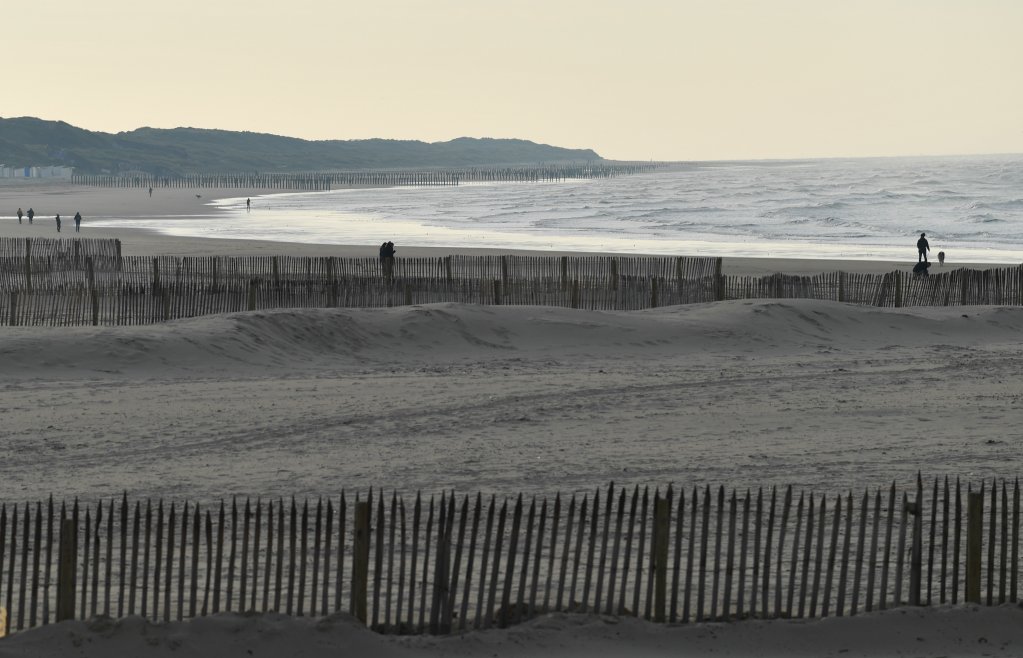
In December, the woman was reportedly told by officials in France that she had to claim asylum in France and that she should be fingerprinted in France if she wants to see her children again. However, she wasn’t sure from which office these officials were from.
At the end of December, she said she was staying in an accommodation center for asylum seekers in northern France but "nobody is giving me any information about my children." The organization ECPAT, which is dedicated to ending the sexual exploitation of children and child slavery, supported the mother from its offices in Calais.
'It is in the best interests of both the mother and her children'
In December, Amelie Gatoux from ECPAT in Calais, told the Guardian that they had also appealed to the UK authorities so that the mother and her children could be reunited. Gatoux said: "It is in the best interests of both the mother and her children that the UK government puts a solution in place so the mother can be reunited with her children in the UK after all of them have been through so much trauma."
The independent TV provider VIALMTV in France reported that the French Interior Minister had also come under pressure to make sure that the mother could be reunited with her children.
According to the Guardian, Mr Bell has made "legal representations to the Home Office ... to try and reunited the family in the UK." Solicitors also commissioned a psychological report on the woman to demonstrate that the enforced separation from her children was causing her "acute psychological harm."
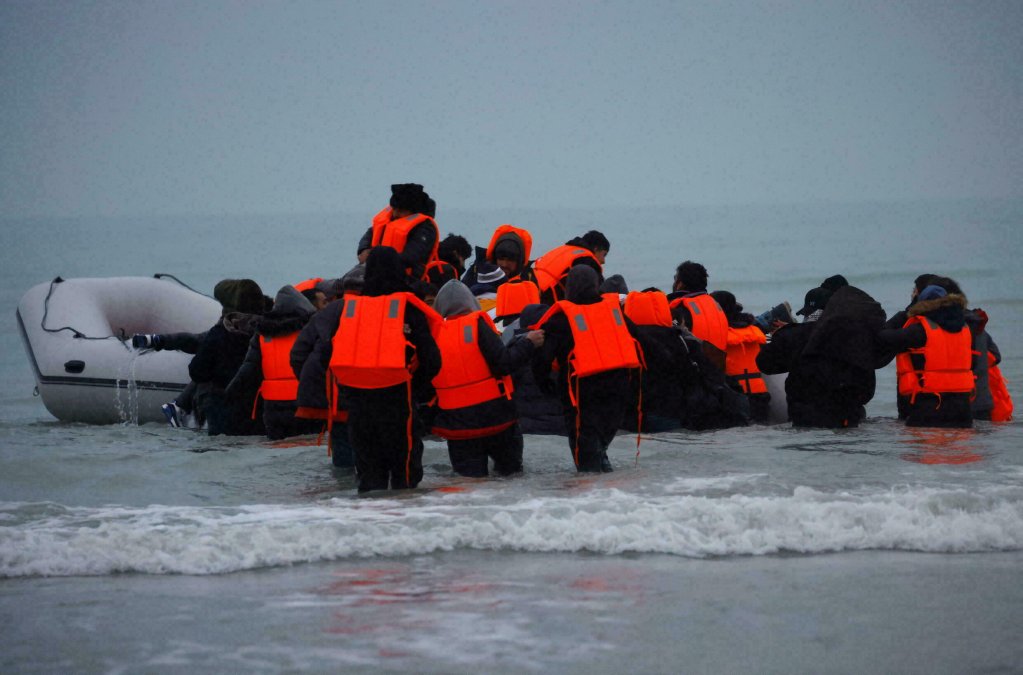
Her requests though were met with silence, according to Mr Bell, and so reportedly the woman decided to board another boat and arrived in the UK on January 25. According to UK Home Office figures for January, the woman was one of 321 migrants who made the crossing in January in eight small boats.
Channel crossings in January
According to the same Home Office figures, 1,180 migrants made it across the Channel altogether in January. The greatest number of people crossing in one day was the day that the Eritrean mother arrived on British shores.
The woman reportedly had to wait ten days after being separated from her children before she was even allowed to talk to them by phone on December 26, the day of her youngest child’s birthday. The woman reported being barely able to sleep or eat because she was so upset by not being with her children.
Since they arrived in England, the woman’s children have been placed in foster care. The woman reportedly told the Guardian, "I know my children are safe but I am their mother. I need to be with them. I cannot be separated from them. My children are my whole life. I just want to be reunited with them and to see them grow up in safety and security."
It is not clear whether the woman has yet been allowed to see her children, but Mr Bell told the Guardian that his firm was "delighted that our client has made it to the United Kingdom and we hope that she can be reunited with her children very soon." He added that it was "a shame that her request for a safe and legal route to the UK was not responded to."
The Home Office refused to give the Guardian a comment on the individual case but underlined yet again that they wanted to stop smugglers putting people’s lives in danger on the route between the European continent and the UK.