
Just a few years ago Astoun escaped his native Syria, crossing perilous waters to reach Europe. Now, aboard the Ocean Viking, he rescues people doing the same across the Mediterranean.
In the vast expanse of water between Libya, Malta and Italy, the crew of the Ocean Viking wait to spot the next unseaworthy rubber boat, with as many people packed on as smugglers can fit, heading vaguely in the direction of Europe.
When the moment comes, they launch into action, to get to the small boat as fast as they can, distribute life jackets if there’s time, and most importantly get the migrants onto the rescue ship.
The work is physically extreme. Even on a calm day, the ocean swell keeps the boats constantly see-sawing away from each other. And that’s just one part of a rescue operation.
That critical moment of transfer also requires constant communication, crowd control and situation assessment. Not to mention the extensive preparation and training – hours at a time at sea in a RHIB (Rigid-Hulled Inflatable Boat - imagine a modified rubber powerboat) – often in miserable weather.
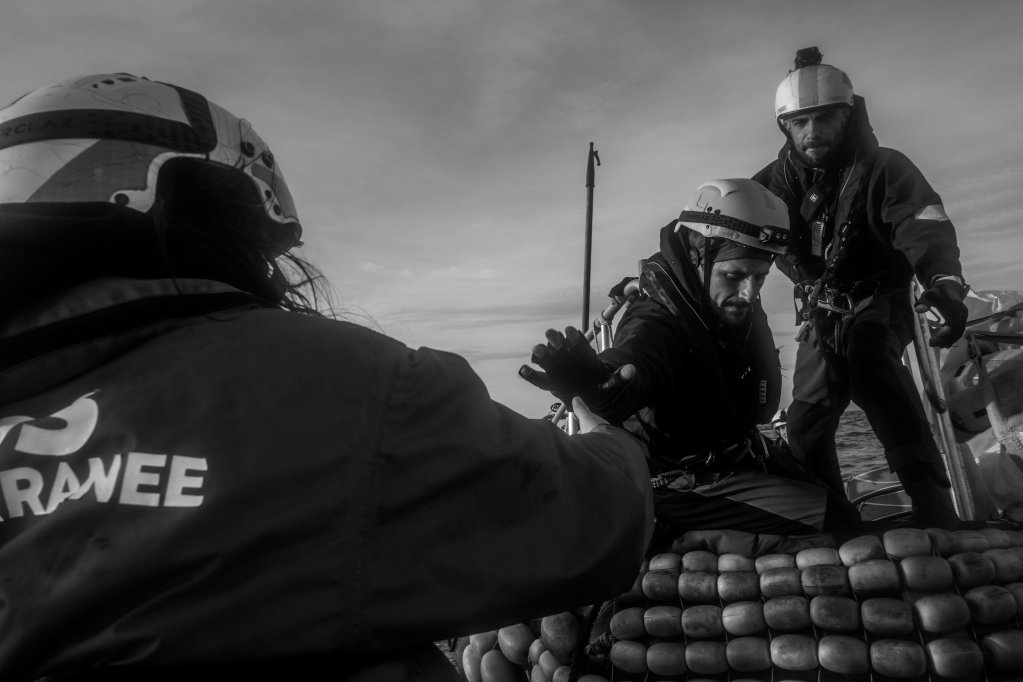
It is the kind of work where maritime experience is highly valued, and that’s why many of SOS Méditerranée’s crew are trained sailors, alongside others with backgrounds as paramedics or in other kinds of emergency work.
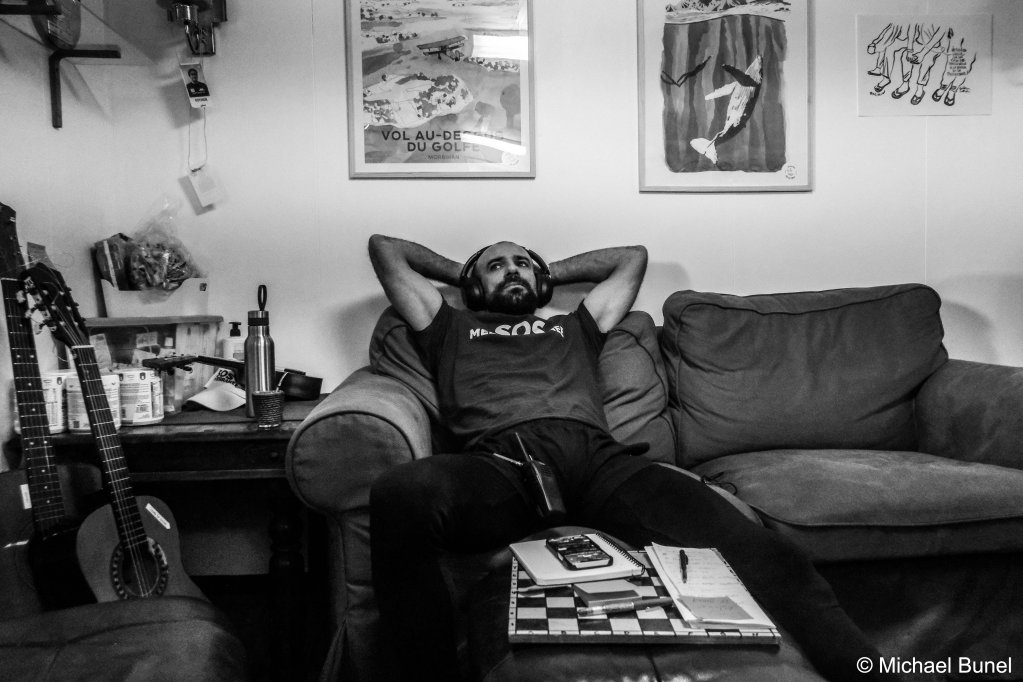
Astoun, one of SOS Méditerranée's rescue team, is a sturdily-built Syrian man in his late 30s. When not working, he spends his time studying French, using the rudimentary gym onboard and listening to music on headphones that look oversized on his closely-shaved head. He’s a quiet man, but has a lot of stories to tell once you get him going.
He studied maritime engineering in Egypt and was a merchant sailor for many years. All great experience for the demands of the job. He also served in the Syrian military in his early 20s. But he also carries something with a different kind of value. He knows what it's like to flee his home and seek a new life in Europe, crossing perilous waters to get there.
Leaving home
Astoun was born in Hama, in central Syria. He describes it as a small city, though, "when you say a small city in Syria, it’s like one million people," he says, laughing.
Four years before he was born, Hama was the site of an uprising against the government of then-President Hafez al-Assad. A retaliatory massacre of tens of thousands of civilians followed. When Astoun last saw his home in 2012, after a similar uprising against current-President Bashar al-Assad had triggered a civil war across the country, Hama "was chaos. The army had surrounded the city."
Astoun left for Egypt, where he witnessed the country’s own uprising in 2013. It was around this time that his mother called to tell him that the Syrian army, the same force that had repeatedly besieged his city, had turned up at their house looking to re-conscript him. He realized he probably could not go home again, "at least until Assad is gone."
Setting sail
Astoun fled Syria in a hurry, but his journey to Europe took years. He first took a contract with a Syrian shipping company, transporting live sheep between Lebanon and the Gulf States. "Luckily I was in the engine room, so I didn't have to deal directly with the animals. But still, you can imagine the smell."
Then, like many of his fellow Syrians, he ended up in Lebanon, working various jobs in Beirut: "I worked in a bakery, construction, building maintenance, everything. Whatever I could find."
During this time, Astoun spent a lot of time in conversation with other Syrians in Beirut, talking about the war and their futures, even the kind of very private matters most people keep from strangers. "We have an issue with borders, us Syrians. We know a lot about each other. Like, even if you’re just sitting at a cafe next to someone, you know a lot about them just from talking. You go deep directly. So yeah, I think we have a problem with borders."
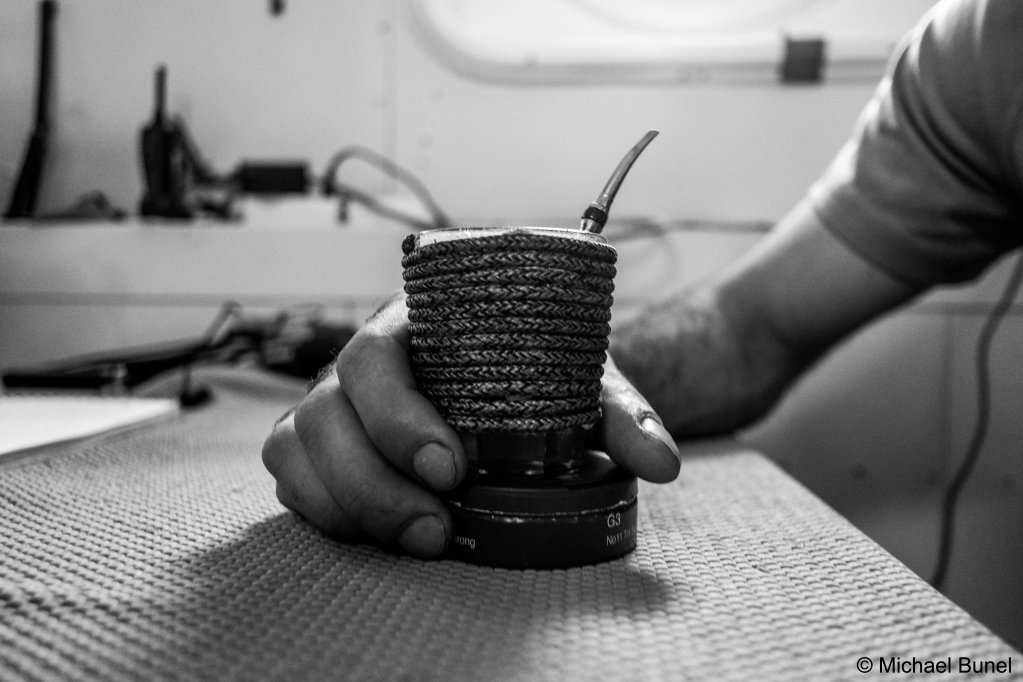
Throughout this time, Astoun was cautiously optimistic that the conflict in Syria would be resolved soon and he could go home: "I was hoping for a positive result after a big revolution. Like, 'let's build the future, build democracy, freedom, values, equality, give people rights, human rights,' you know what I mean?"
But as the war intensified, he became disillusioned. He lost hope. "I felt really disappointed. There wasn't going to be a solution."
With that, Astoun also gave up any idea of returning to Syria. He felt welcomed and reasonably safe in Beirut but he didn’t see a future for himself there either, given the economic circumstances. Being just one of millions of Syrian refugees in Lebanon, "I felt like the river of time had stopped for me, I was stuck."
"So I worked on a plan."
After speaking to friends in Europe, he decided to head to the Turkish city of Izmir and find someone who could take him across to Greece. "In Izmir I just walked around on the street until I saw a group of people with black bags. That’s how you know they’re people preparing to leave."
A place in a van with the group was around $1,000. "It was all very quick – give me five minutes, I go back to the hotel, get my stuff and we go."
They arrived at the Turkish coast in the small hours of the morning. Astoun estimates there were about 50 of them, including many children. The rubber boat was small, but in good condition. He wasn’t scared: the water crossing to Greece is a relatively short one and he was used to being on the water. Nonetheless, the presence of children on board made him keep a watchful eye out.
"This crying child, he will make you feel responsible for some reason. Even though he doesn't belong to you, I’m still an adult on board, and I have this (maritime) background."
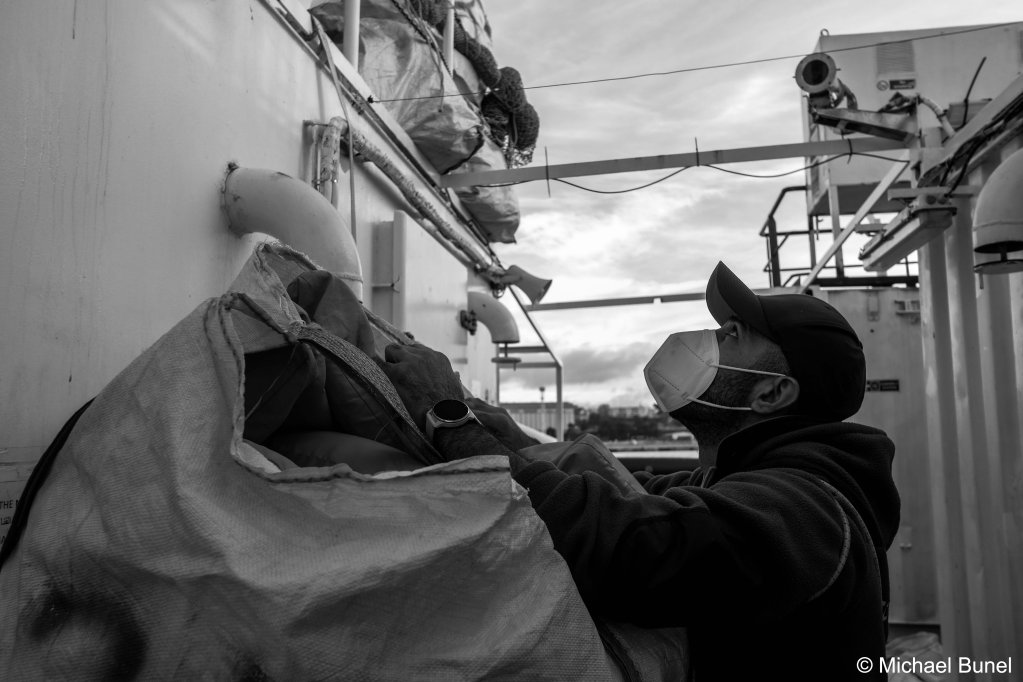
They landed on the Greek island of Samos without incident, and a few days later Astoun was in Athens. From Greece, he went through various Balkan countries into Austria and then north from there until he got to Norway – a journey that took him months, across dozens of border crossings. It was there, he says, he felt his future opening up again.
"When I reached Oslo, I felt like 'Okay, now the river of time can continue again'."
The way of life in Norway – from the language to the bureaucracy and workplace culture – was difficult to adjust to. In particular, he noticed Norwegians – famously a reserved people – had the opposite 'borders problem' to Syrians, which occasionally caused some embarrassment. But through all of this, he says he always felt accepted, "even when I did something wrong, I didn’t feel like I shouldn’t be there. And for me, this is like a true love."
Back at sea
Astoun’s work now aboard the Ocean Viking, a Norwegian-flagged vessel, puts him in close contact with many people who are in the middle of their own dramatic journey. The specific details may differ, but Astoun says he recognizes something in the people he helps save.
"I got to the point where I had to put myself on a rubber boat. And I put myself there when I lost hope. I didn't put myself on the rubber boat because I was hungry, or because I was dreaming about European luxury. No, I put myself in that situation because I had lost hope."
Astoun sees the same loss of hope in the physical and emotional scars of those rescued by the Ocean Viking. Speaking from a cabin on the ship, he gestures up to the shelter, where dozens of people are in that moment bracing against near gale-storm weather.
"You see the marks on (the survivors’) bodies. Those marks speak for them, they tell you 'we lost hope, that’s why we are here. That’s why we put ourselves on a shitty rubber boat trying to cross the Mediterranean'.
"One of them was shot in the arm, just for his phone. Another one lost his arm. Some of them were forced to work for free for months to get the chance to get on that boat."
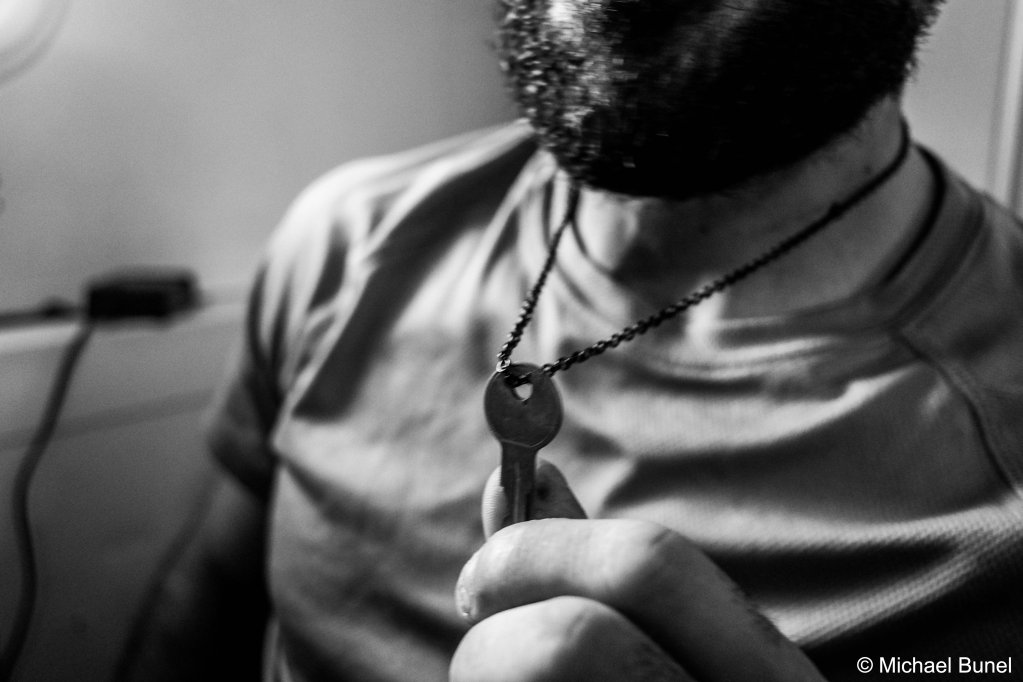
Astoun knows the work he does is just one piece of a larger puzzle, and many of the missing pieces are in the European Parliament. But until a solution is found which means people no longer have to make such journeys, he says it’s his duty to remain at sea, protecting as many people as he can. He wears around his neck the key from the engine of the first boat he saved people from.
"Someone has to do the task. And I'm up to it."