
A group of Afghan families evacuated to the UK are challenging in court the implementation of the government's 'Operation Warm Welcome'. Like more than 9,000 other Afghans, their stay in temporary hotel accommodation has been longer than promised, hampering their ability to hold down jobs or continue education.
The group of Afghan families, supported by the Public Law Project, are taking their claim against the UK Home Office (Interior Ministry) to Britain’s Administrative Court in London on January 17 and 18.
The claimants are just some of an estimated 9,000+ Afghans who are still living in temporary accommodation in the UK almost 18 months after being evacuated from Afghanistan after coalition forces withdrew and the Taliban took over control of the government in August 2021.
According to the Public Law Project, an independent national legal charity in the UK, the families were unexpectedly moved out of London in October 2022 and transferred to an airport hotel in a northern city. The families had been resident in London for almost a year.
"The unexpected move has resulted in the loss of job offers, training opportunities, school places and the support networks they had built with other families," says Public Law Project.
The charity combines researchers, lawyers, trainers and public law policy experts to represent marginalized individuals and communities when their lives have been affected by unlawful state decision-making. In this case, each of the moves experienced by the families is disruptive to their lives and future integration in the UK, Public Law Project argues.
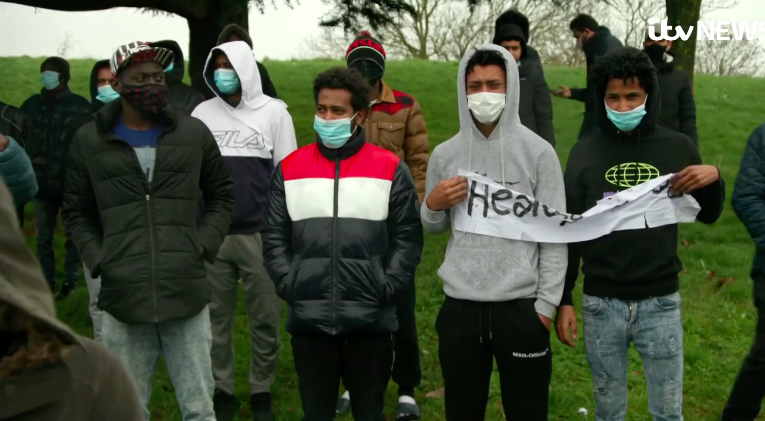
'It felt like a deportation or a second migration to us'
Daniel Rourke, one of the solicitors with the Public Law Project, is trying to challenge the reasons why the Home Office saw fit to move families around from one hotel to another.
Rourke said in a press statement, published on January 13, that when the families tried to arrange their own accommodation "in coordination with the Home Office, they have been stonewalled, yet if they do so without Home Office approval, they have been told they will lose a support package in place to help their integration and independence."
One of the individuals taking the case to court told Public Law Project that "the move in September uprooted my children from the life we had started in this country and left them feeling deprived of their education. It felt like a deportation or a second migration for us, after we had started to feel like we had a home again."
The man added that since being moved, "it feels like all of the good deeds and dangerous work I carried out in support of British forces in Afghanistan has been forgotten."
School interrupted
Two of the teenagers from the group of families spoke to the BBC late last week.
Najma and Marzia, who are both 15 years old, said that the move north resulted in them being taken out of the school in South London they had been attending, where they had felt happy and had begun working towards their GCDEs (General Certificate of Secondary Education – taken at age 16 in the UK and required as a school leaving certificate or entry to A-Levels which lead to higher education).
Marzia is still receiving online lessons from her old school so she can study from the hotel room where she now lives, BBC reported. Her classmate Najma has found a place in a more local school but has been asked to repeat the year she had already completed (Year 10).
Marzia told the BBC that they found out about their move last summer in a text message from the Home Office. She said: "They told us they were going to put us in a good school. They broke their promise. The hotel is like a jail."
Marzia added that although a hotel might be "a good place ... for a holiday," it was "not for almost two years."
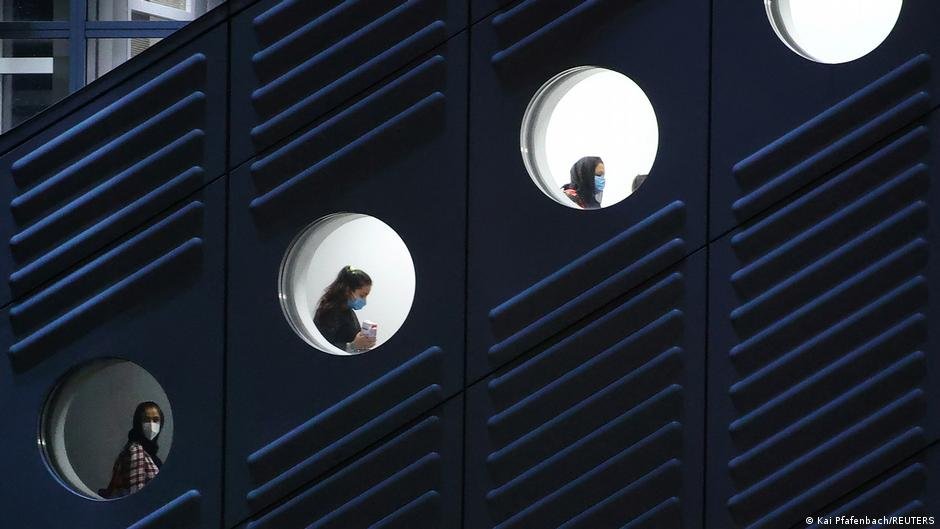
'Precarious situation'
The principal of Najma and Marzia's old school told the BBC that she and her staff found it "difficult to see them move from a situation that was precarious that we did everything we could to try and shore up for them, to another situation that isn’t permanent and is just as precarious."
Lawyers for the group say that the Home Office is required under the Borders, Citizenship and Immigration Act to "safeguard and promote the welfare of children when it makes any immigration decision," reported the BBC.
However, according to court papers seen by the BBC, lawyers for the government are expected to argue that moving families between two so-called "bridging" hotels within the UK does not constitute an immigration decision."
Daniel Rourke points out that the operation to welcome vulnerable Afghan families to the UK was dubbed "Operation Warm Welcome," but that is not what they have received.
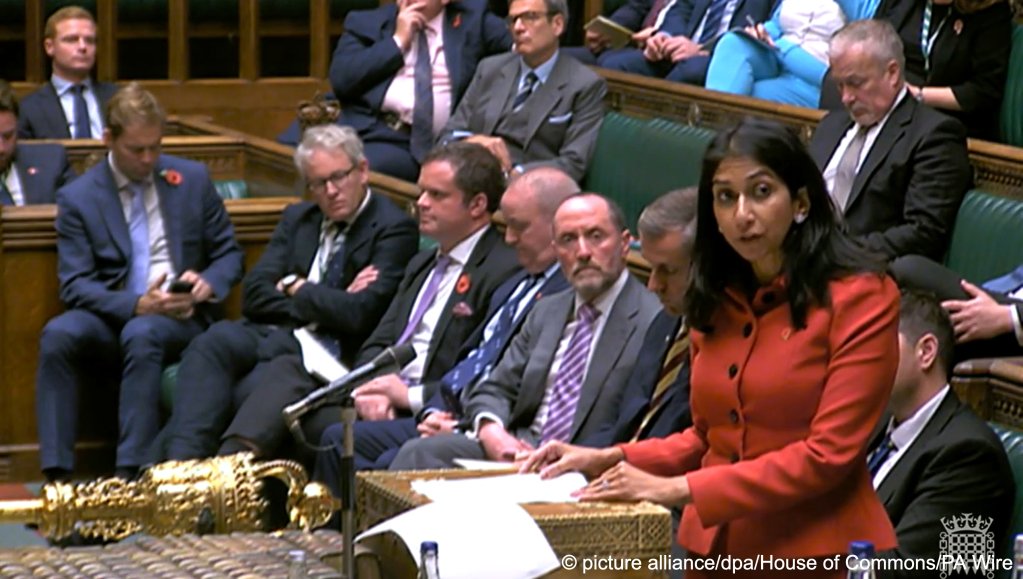
"They were promised a warm welcome and it is quite chilling to now hear the home secretary [Suella Braverman] argue in court that she owes no duty to have any regard to the best interests of the children that are affected by this important decision to uproot them and move them hundreds of miles to live in an airport temporarily."
Home Office looking to 'bring down the numbers' of those in hotels
A Home Office spokesperson told the BBC that the UK has already provided homes for almost 7,400 Afghan evacuees. The spokesperson admitted that "while hotels do not provide a long-term solution, they do offer adequate space and secure and clean accommodation."
The spokesperson said the government was looking to "continue to bring down the number of people in bridging hotels, moving people into more sustainable accommodation."
According to the website Free Movement, which specializes in legal questions and information surrounding immigration, "more than a year after the fall of Kabul, over 9,000 Afghans remain in temporary bridging accommodation."
Free Movement states that bridging accommodation is a "key function in the government’s Warm Welcome strategy." Soon after the first Afghan families were housed in this type of accommodation, a five-year-old Afghan boy died after falling from the window of a hotel in Sheffield. Free Movement said that an inquiry into his death found that the "Home Office did not carry out any safety checks on the hotel, which was the subject of a fire enforcement action at the time the Home Office placed families there."
Since then, many of the families themselves, as well as organizations who work with migrants and asylum seekers have criticized the use of such accommodation. Already in September 2021, Louise Calvey, head of services and safeguarding at Refugee Action expressed "significant concerns about the potential for hotel accommodation to compound damage caused by trauma, particularly if there’s no information on how long they’re likely to be there and what their ultimate destination is."
'Left in the dark'
As 2022 progressed, more delays appeared in finding more permanent accommodation for Afghan families. Local government associations across the UK have complained that they have been left "in the dark" by central government policy.
Home Office Data shows that the numbers of hotels being used to house Afghan families are declining, but on November 4, 2022 7,572 people had been resettled into permanent accommodation and 9,242 (about half of whom are children) are still living in hotels.
Once permanent accommmodation is found the government gives the Local Authority who found the accommodation core funding of around €23,000 per person over three years in order to help cover the costs of health, education and integration support costs, according to Free Movement.
In the meantime, under the UK’s Afghan Relocation and Assistance Policy ARAP, the UK government is expected to resettle up to 20,000 people over the next few years. In 2023, "over 3,500 Afghans are expected to arrive in the UK under the scheme. Without a coherent housing stratgy in place, it is difficult to see how this can be managed effectively," writes Free Movement.