
As the UN registers more than 100 million people trying to escape war, persecution and hunger, those trying to help migrants and refugees may feel like they have little to celebrate. But the fight for better humanitarian assistance and peace-building continues.
However, there is another side to that coin: in Germany, the UN Refugee Agency (UNHCR) National Director Peter Ruhenstroth-Bauer told the KNA news agency this week that "we should be encouraged by the solidarity for refugees and the resilience of people on the run."
With Germany being the EU nation with the highest rate of migrants and refugees, he believes that the overall willingness to help those fleeing their homes continues to be great; however, he adds that at the same time, discussions about how to deal with people who have fled are becoming "more heated and sharper."
Conflicts around the world from Ukraine to Africa
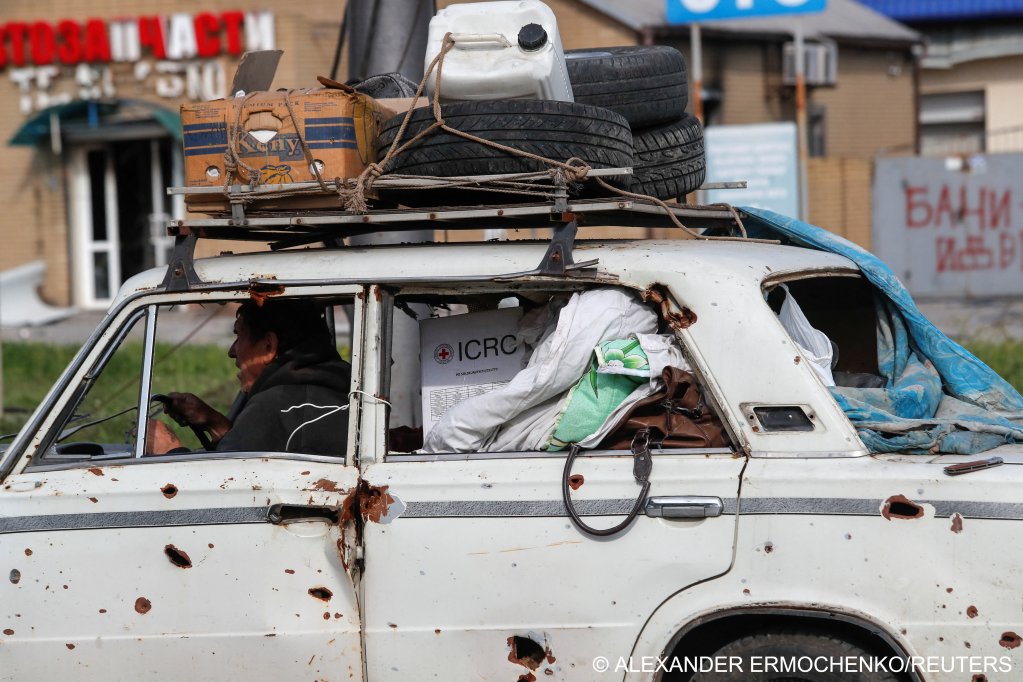
Ruhenstroth-Bauer launched an appeal for more understanding and willingness to help, highlighting that especially in Ukraine and Russia, the onset of winter and the deepening of the war are likely to result in another refugee wave.
According to UNHCR, nearly a third of the Ukrainian population have already suffered displacement; almost eight million Ukrainian nationals have fled to other European countries, and more than 6.5 million are living as displaced persons in their own country.
Read more: Ukrainian refugees push German cities to their limits
Ruhenstroth-Bauer stressed that in addition to the war in Ukraine, the past year was marked by a series of further "unresolved long-term conflicts.”
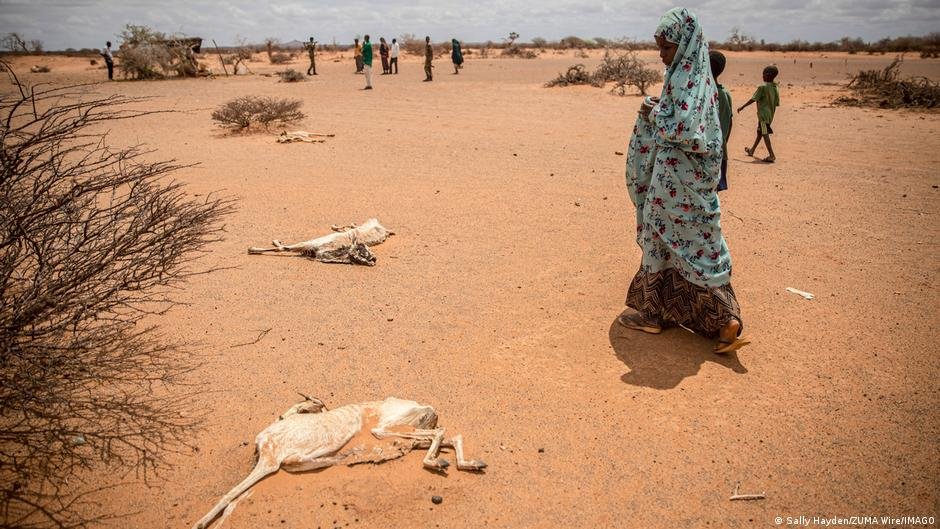
The catastrophic drought in the Horn of Africa, for instance, is threatening the lives of more than 20 million people. Since the end of 2020, four consecutive spells of drought have resulted in severe food shortages, not seen in the past 40 years.
Concern over Horn of Africa situation
The war in Ukraine meanwhile is also having a major impact on other regions of the world. According to the UNHCR, twelve aid missions have been drastically underfunded since the onset of the war.
"Those affected are caught in a cycle of international political neglect, limited media coverage, donor fatigue and permanently growing humanitarian needs," the agency said.
The 12 affected countries include Uganda, Ethiopia, Iraq, South Sudan, Yemen and Bangladesh, according to the UN report. The document revealed that for each of them, little more than 20 percent of the needed funds has materialized.
Furthermore, grain deliveries from Ukraine to the drought-stricken Horn of Africa continue to depend on Russia's support and cooperation, which could change depending on the direction the war might take.
Call for more resettlement placements
With an overall pessimistic outlook on migration trends, there have been renewed calls on creating further opportunities for those fleeing their homes to be taken in elsewhere.
The general secretary of the Churches' Commission for Migrants in Europe (CCME), Torsten Moritz, has called for the voluntary acceptance of more refugees in the EU.
With many refugees unable to return to their country of origin because of ongoing conflicts, Moritz said that more permanent resettlement and relocation options were needed, stressing that this would also reduce the risk of people dying on dangerous migration routes at the hands of smugglers and traffickers.
"And it also has advantages for the receiving countries, because they know who is coming and can plan accordingly," Moritz added.
EU slow to enact change
The European Parliament and the individual governments of the EU member states had agreed in mid-December on a resettlement program for refugees, which had been in the making for the past six years.
However, this is only a voluntary program for member states with no fixed quota, and still needs to be formally approved by the European Council and Parliament before it can go into effect.
According to the UNHCR, more than two million refugees globally will need a place in a resettlement program in 2023 alone — a third more than last year.
Read more: EU asylum authority: Number of applications up 54%, will rise further
with KNA, epd