
A European investigation into the border agency Frontex has concluded that it was involved in covering up illegal pushbacks of migrants from Greece to Turkey in violation of their "fundamental rights."
A report on Frontex' activities by the European anti-fraud office OLAF completed in February has been made public this week by the Germany-based freedom of information portal FragDenStaat together with media organizations Der Spiegel and Lighthouse Reports.
Top managers at Frontex committed "serious misconduct and other irregularities" in covering up pushback incidents, not investigating them or handling them correctly, the report found, but names were redacted.
"In doing so, they hindered the capacity of Frontex to fully comply with its responsibilities, namely ensuring for the protection and promotion of fundamental rights," the report read.
'Allegations proven'
Frontex coordinates search-and-rescue and border interception operations on behalf of the 27 EU countries. Pushbacks, the forcible return of people across an international border without an assessment of their right to asylum or other protection, violate both international and EU law.
OLAF investigators gathered information from open sources and media reports, sought documents from the European Commission and Frontex, and conducted interviews with 20 witnesses to investigate accusations of possible involvement or covering up of illegal pushbacks and accusations of misconduct or irregularities.
"OLAF concludes, based on the evidence collected during the investigation, that the allegations are proven," the report read.
There was no immediate comment from Frontex or Greek authorities on the report, but both have previously denied any wrongdoing. The Greek government dismissed earlier media reports on pushbacks as "fake news."
Agency covered up practices, misled institutions
The conclusion of the OLAF report earlier this year (the document remains classified) as well as revelations of the illegal practice of pushbacks at Europe’s borders led to the resignation in April of the Frontex Executive Director Fabrice Leggeri.
Read also: Frontex hit by lawsuit amid further allegations over pushbacks
The published report details how Frontex has covered up and enabled the pushbacks. It says evidence of them was mishandled, often not reported or not investigated according to Frontex's own rules. Frontex officers also may have failed to report alleged pushbacks carried out by Greek units due to fear of repercussions from Greece, the report said.
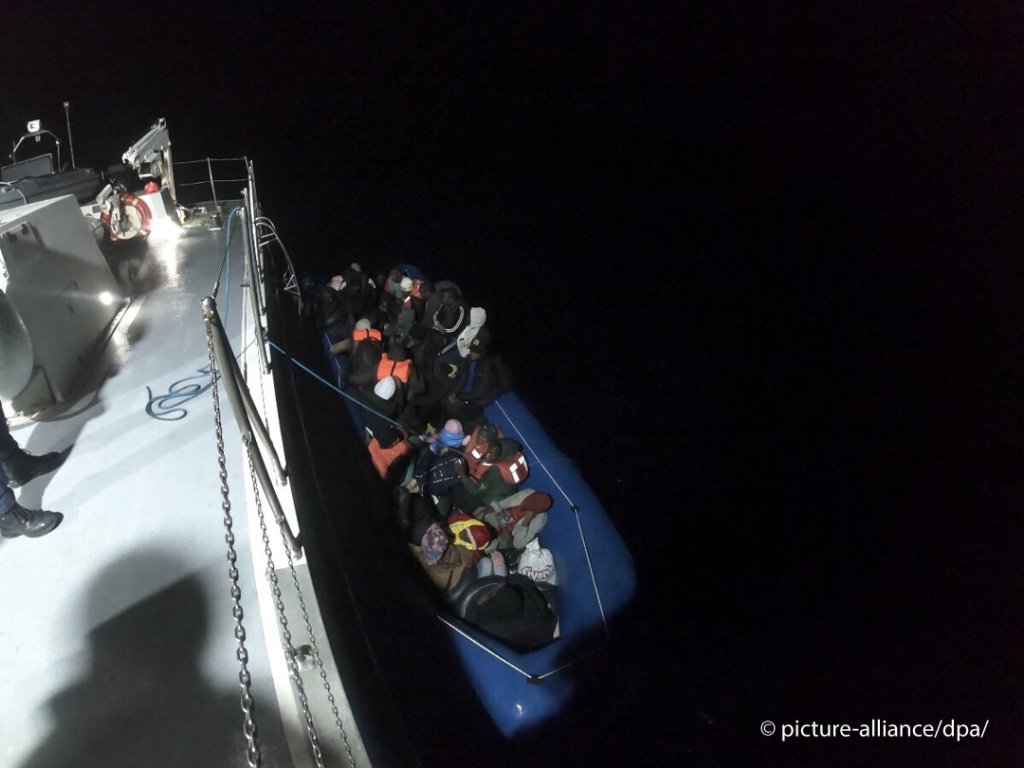
In one case, the report said the EU border agency's surveillance plane flew away from the scene of an alleged pushback "to avoid witnessing incidents in the Aegean Sea." On August 5, 2020 a member of Frontex reported his concerns in an email after a Frontex plane witnessed Greek authorities forcing a flimsy migrant boat back into Turkish waters.
"Towing an overcrowded fragile boat in the night towards the open sea is a situation that can seriously endanger the lives of the passengers,'' the email said. "Our aircraft was immediately instructed to fly away from the scene by the Hellenic coast guard expert."
OLAF investigators also said Frontex misled EU institutions, including members of the European Commission and Parliament, who are responsible for holding the agency accountable, as well as OLAF investigators themselves.
Systematic involvement in rights violations
"I welcome that the OLAF report is finally public, as it should have been from the very beginning," said Cornelia Ernst, a Member of the European Parliament in the Left group. "It proves once again black on white what we have been saying for many years: Frontex is systematically involved in human rights violations and their coverup at the EU's external borders," she added.
Lena Dupont, an MEP with the European People's Party said there had been "misconduct within the agency concerning three people." She added: "The way the agency was structured by them was not helpful, the way they dealt with the allegations was also not helpful," the Associated Press reports.
Dupont described Leggeri's resignation as the "correct" thing to do and welcomed the structural changes taking place at Frontex to address these issues.
Greece granted Leggeri a state award in January, thanking him for helping the country lower the rate of incoming migrants. The award was presented by Greek Migration Minister Notis Mitarachi, who was mocked on Thursday by a prominent Greek lawmaker.
"Now with the leak of the entire damning report, everyone can now understand what was going on and who has been covering it up," said Kostas Arvanitis, a left-wing Member of the European Parliament.
What now for Frontex operations in Greece?
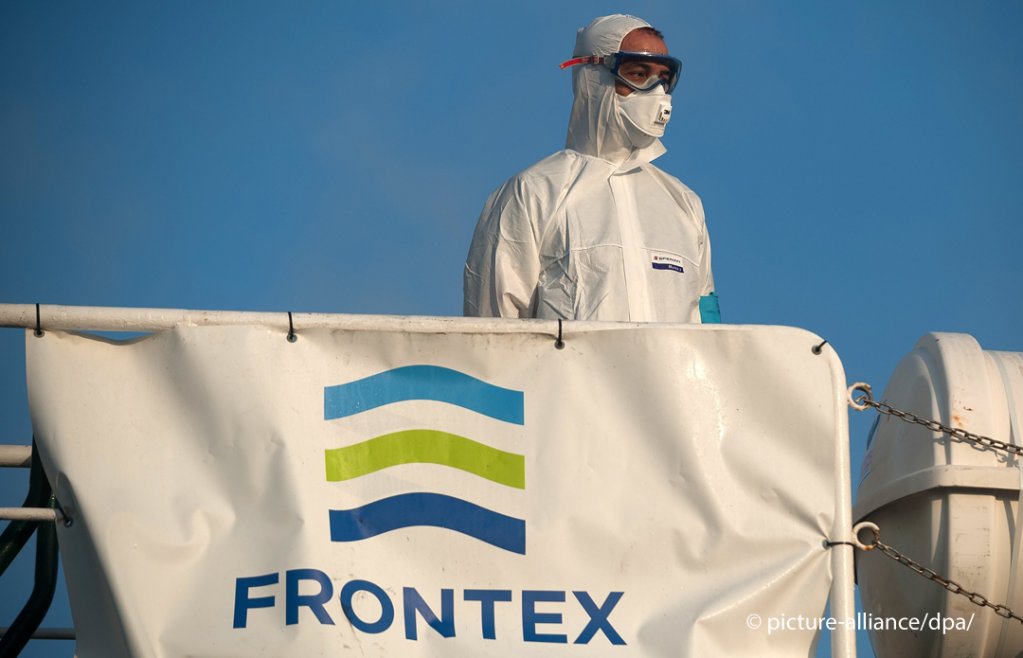
According to Frontex’s own regulations, the agency's leader should suspend or terminate its activity if they see "violations of fundamental rights or international protection obligations that are of a serious nature or are likely to persist." Since Leggeri’s resignation, the post of Executive Director has been filled on an interim basis by Aija Kalnaja. Confirming that Kalnaja had read the OLAF report, Frontex stated last week that its actions in the Aegean Sea region have been carried out in compliance with the law, "including in accordance with the responsibilities stemming from fundamental rights."
Meanwhile Front-LEX, a Dutch-based NGO challenging EU migration policies, has filed a complaint with the European Court of Justice seeking the immediate termination of Frontex operations in Greece based on OLAF's findings.
"As long as Frontex is there, the Greek government has carte blanche to continue throwing migrants in the water to drown," Front-LEX lawyers Omer Shatz and Iftach Cohen told AP.
Publishing the report in full on Thursday, Der Spiegel and FragDenStaat said it provided the best foundations yet for Europeans to debate how asylum seekers should be treated at their borders.
With AP