
Dozens of Bangladeshi migrants have been arrested in Romania recently while trying to cross its border illegally, or for not joining their workplaces. Experts think human smugglers are luring migrants to move to Italy, promising them better income opportunities.
Romania has become a lucrative destination for the workers of non-EU countries as the European country offers thousands of job visas to skilled and unskilled foreign workers. Many of the workers come from South Asian countries, including Bangladesh.
Daud Ali, the Muslim-majority country's ambassador to Romania, told InfoMigrants that over 10,000 Bangladeshi citizens had got visas to come to the EU country in the past two years.
According to the ambassador, they have work opportunities in the construction, service, and shipbuilding sectors, with average salaries between €400 to €1,000 per month.
Many employers also offer accommodation, meal allowance, and overtime separately, which makes it possible for the workers to send back most of their income to Bangladesh.
Many leave Romania
However, despite all these benefits, many Bangladeshi migrants still hope to move to other EU countries, mainly Italy. Although they arrive in Romania legally, with their permits to work often tied to specific companies, they end up having to attempt to arrive in Italy by illegal means.
"Currently, 1674 Bangladeshi citizens are registered with a legal right of residence in Romania, of which 1506 are for the purpose of employment," Romania’s interior ministry informed InfoMigrants on August 16, 2022.
The number is much lower than those who got a visa to come to the Southeastern European country, which is a European Union (EU) member state but not part of the Schengen zone.
Bangladeshi workers get a special kind of work visa that doesn’t allow them to travel to other EU member states from Romania legally. So, it is down to the human smugglers to arrange trips for the migrants in lorries to Italy. According to migrants who spoke to InfoMigrants, the smugglers take about €3,500 from each of them for the irregular journey.
Arrested
In recent weeks, dozens of Bangladeshi migrants have been arrested while trying to cross the Romanian border irregularly. Some of them have been deported to Bangladesh for violating the immigration rules they were bound to follow.
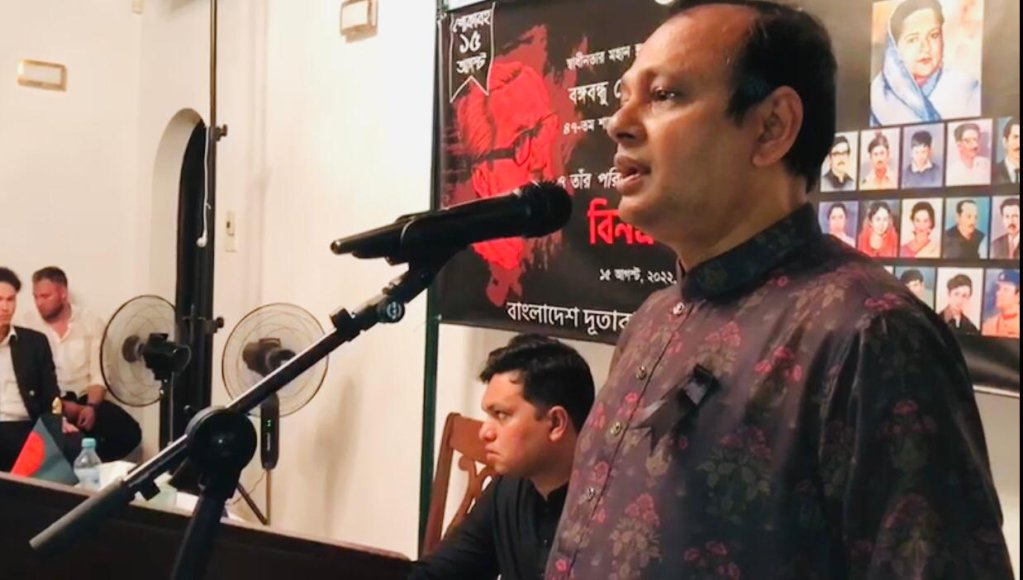
Frustrated by the situation, Daud Ali said that his country's reputation has been declining as many of its citizens are taking irregular routes to other EU states from Romania.
"Many Bangladeshi citizens came to Romania intending to move to other EU countries whenever they get a chance. It’s easy to come to the EU country legally. And after that, one can go to other countries by road," he told InfoMigrants.
Ambassador sees a lack of checks and balances
Bangladeshi workers were initially attracted to Romania when the country announced it would take 40,000 laborers from non-EU countries last year to fulfill its workforce shortage in different sectors. The number increased to 100,000 this year. Most workers are expected to come from Bangladesh, Nepal, Sri Lanka, Pakistan, Vietnam, and India.
However, ambassador Ali sees problems with his country’s recruitment process. He thinks that his government needs to do more to ensure that only citizens who want to stay and work in Romania should be allowed to come to the country.
"Bangladesh could try to send as many people as possible. But the problem is there has been no checks and balances in Dhaka during the recruitment process. Recruitment agencies don’t pay attention to who is willing to work in Romania and who is not. They only take the ones ready to pay more than others," Daud Ali told InfoMigrants.
The ambassador thinks his country’s Expatriates' Welfare and Overseas Employment ministry could play a vital role here as it has the authority to monitor recruiting agencies and hold them responsible for any wrongdoings.
"The ministry can ensure a fair recruitment process that will ensure people who are actually interested in working in Romania will get permission to leave the country. It has to ensure checks and balances in recruitment," Ali told InfoMigrants.
Migrant tells a different story
However, Reafat Hossain Eran, a Bangladeshi migrant who came to Romania a few months ago to work at a factory, told InfoMigrants that the reality on the ground is different from what he heard from his government about the EU country in the past.
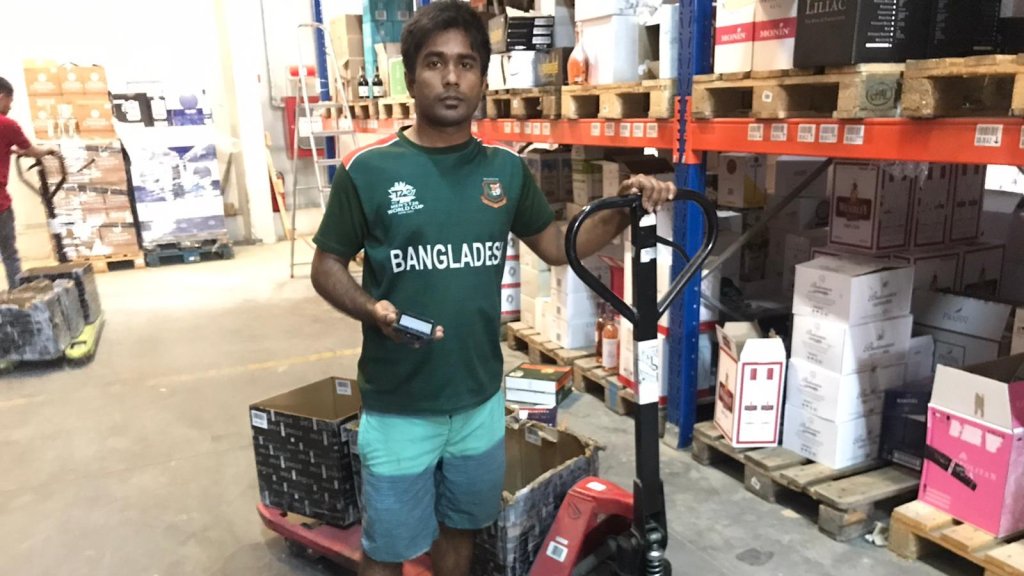
"We don’t get paid according to our work. We don’t get the salary on time. Employers keep us waiting, and often recruiting agencies take commissions from our salary," Eran told InfoMigrants, adding: "We are treated as if we are working in a Middle Eastern country, but we are in Europe."
"I was told that I will get around €600 and overtime before coming here, but, in reality, I hardly get €400 a month from my work at a warehouse, which is not enough for me," the 30-year old migrant told InfoMigrants.
He said he had to borrow €7,500 to pay a recruiting agency to get the work permit for Romania, an amount he will have to repay within three years of borrowing.
"Romania is a false hope. I have realized it after coming here," Eran added. Some of his friends have already moved to Italy, something he has been thinking of doing in the future.
However, Daud Ali, the Bangladesh ambassador in Bucharest, doesn't accept that Romania could provide false hopes, and doesn't understand why his country's citizens seem to want to leave Romania for another country.
"[Romania] offers lots of work opportunities. But, some migrants don’t want to work here. Thus, take illegal routes to move somewhere else," he explained.