
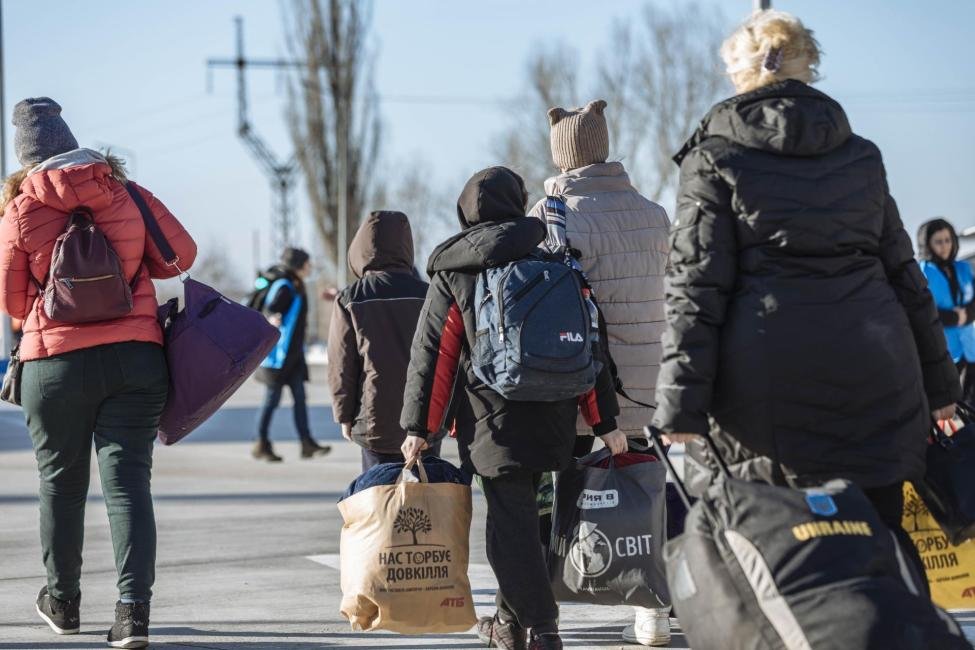
A convoy of almost 30 taxis from Madrid drove a round-trip of almost 6,000 kilometers to ferry 140 Ukrainians fleeing war from the Polish border back to Spain.
A convoy of 29 taxis with 140 Ukrainians aboard arrived in Spain in the early hours of Thursday (March 17), according to the news agency AFP. They had driven for five days, first to take humanitarian supplies out to the Polish-Ukrainian border and then to bring Ukrainians with friends and family in Spain back to Madrid.
Ukrainian woman Khrystyna Trach, who was brought to Spain by the convoy, called the taxi drivers "our heroes" as she was dropped off at a central Madrid church.
Trach, who told AFP she is an orphan who has left her grandparents back in Kyiv, said she hoped to "look for work and get money to help my country and my family." Each taxi took two drivers to help share the load of the epic drive.
'We don't have our house anymore'
Another woman on the convoy, Olha Shokarieva, told AFP that she had fled with her youngest son, who is 15 years old. Her older son and her husband had stayed behind in Ukraine to fight, she explained. "We don’t have our house anymore and we don’t know what is our future," she said in English.
The idea for the convoy came when taxi drivers were talking about the Russian bombing of Ukraine as they waited for customers at Madrid airport. Jose Miguel Funez from the Madrid Professional Taxi Federation coordinated the operation in collaboration with the Ukrainian embassy in Spain. The embassy helped select the Ukrainians who would be brought back to Spain.
"The response was incredible, we didn’t expect this," said Funez to AFP. The funds for the journey were mostly raised through donations, many of which came from other taxi drivers and their families. Funez said that the total costs came to around €50,000, which helped to pay for the fuel and road tolls along the way.
Children emptied their piggy banks to donate
Another of the taxi driver coordinators, Jesus Andrades, said his fellow drivers had been "amazing. Some taxi drivers’ children even gave the money in their piggy banks," Andrades told AFP.
One Ukrainian woman, giving her name to the news agency Reuters as just Olga, in order to protect her husband, brother and father who had stayed behind to fight, traveled on the convoy with her two children, including six-month-old baby Vera.
Olga described the situation in Ukraine as a "nightmare. A humanitarian disaster, a war, a lot of dead people. And there is no end to it, we don’t know how long it will continue." 38-year-old Olga had run her own business in Ukraine as a computer programmer in the city of Luhansk. Then, in 2014, she and her family had to leave their city for the Ukrainian capital Kyiv, after pro-Russian separatist forces took over the eastern Ukraine region of Donbass.
'Again we have to leave our motherland'
"My heart had just calmed down [after leaving Donbass]," Olga told Reuters, "then again I woke in the morning to explosions, again we have to leave our motherland." Olga was crying as she boarded the taxi, reported Reuters.
Another taxi driver, Javier Hernandez, who drove a couple and their 12-year-old son back to Madrid, described how at first the Ukrainian passengers were quiet and subdued "refusing to get out when the taxi convoy paused for breaks." But later, as the days progressed, Hernandez said they were "hugging us, making jokes. In just a day, their lives changed."
"It’s very moving," Hernandez explained, making light of his contribution. "It’s really nothing, it’s just driving for a few days, which is what we do in Madrid."
Last week, the Spanish inclusion ministry confirmed to Reuters that 1,000 Ukrainians were being supported by the state reception network and "far more" were staying with friends and family in the country. Ukrainians in Spain will be issued with the EU temporary protection orders which allow them to obtain residence and work permits.
Madrid taxis – used to helping out
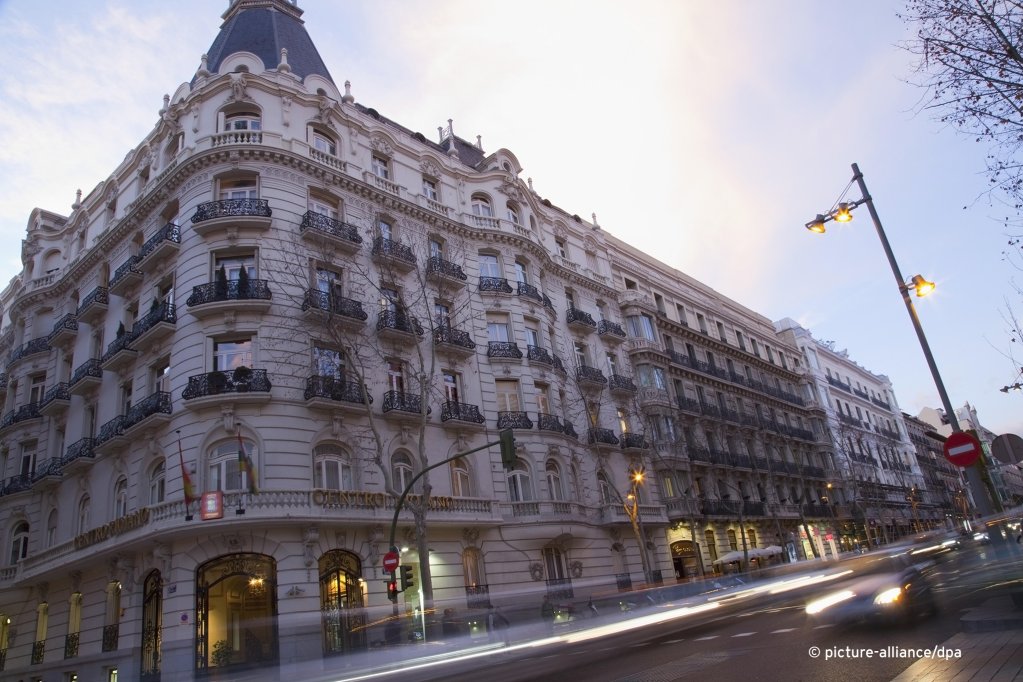
This is not the first time that Madrid taxi drivers have rallied together to help those in crisis. In 2004, when Madrid’s Atocha station was bombed and almost 200 people died, taxi drivers were among those who ferried the injured to hospital, AFP reports.
More recently, when the coronavirus hit Spain, taxi drivers drove doctors house-to-house and transported people with the virus to hospital. Hernandez commented "we are common people, and at the end of the day, I think common people help out more."
According to AFP, Hernandez himself is no stranger to hardship. After suffering depression following his divorce, the 47-year-old lived on the streets for a year. Many of the drivers in the convoy told AFP and Reuters they’d be ready to repeat their experience.
34-year-old Nuria Martinez brought a mother and her two-month-old baby to Madrid. "You can’t do anything to help sitting at home on your sofa," commented Martinez. "We all have to do our bit."
Funez agreed that the drivers were hoping to repeat the trip soon, he told Reuters. "We have saved 140 lives and you cannot put a price on that."
With AFP and Reuters