
Ever since Laye Traoré, a young apprentice baker from Guinea, was saved from deportation after his boss staged a hunger strike, the demands to help other young migrant workers stay in France have multiplied. Laye has become a symbol for the struggles many unaccompanied minors in France face after turning 18.
"When I saw that Laye had been granted residency, I was like: 'Why can’t we do that?' So we launched an online petition to help our apprentice Mamadou get the papers he needs," says Nejla Boukortt, who together with her husband runs a bakery in the south-eastern town of Fontaine.
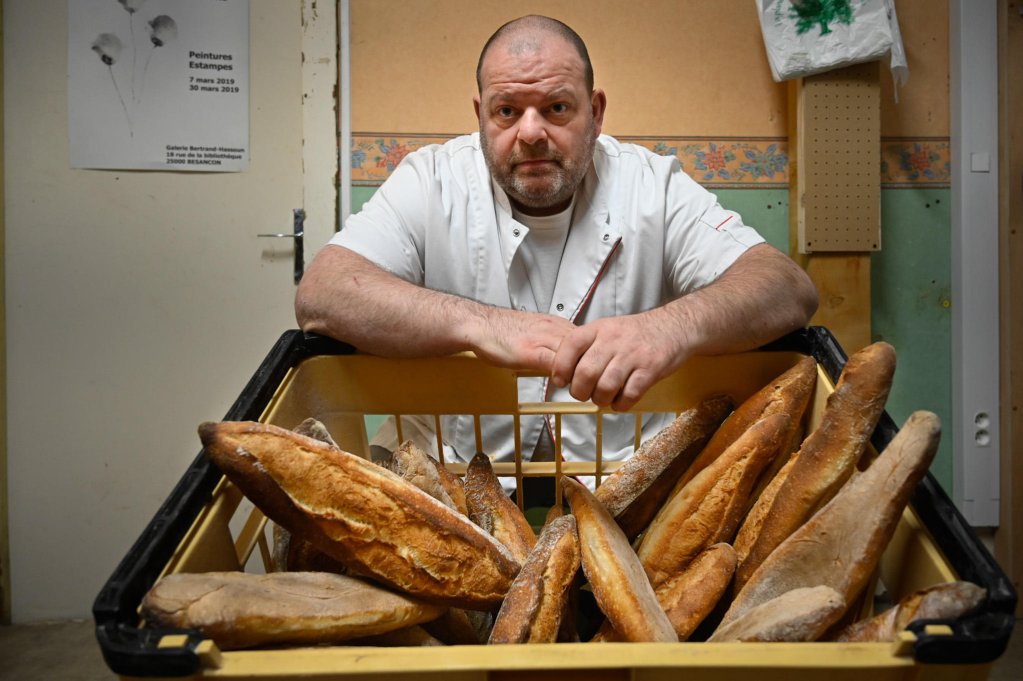
Ever since reading about how Stéphane Ravacley, a baker in the eastern town of Beçanson, saved his migrant apprentice from deportation by staging a hunger strike campaign, Boukortt and her husband have been determined to help their own apprentice, Mamadou, stay in France.
Mamadou is from Mali and turned 18 last year. In April, he had his residency application rejected, and in November, he received a deportation order – despite having a work contract and the support from his employer. "We sent letters to the prefecture and to lawmakers [to protest Mamadou’s deportation] but all the returns were negative," she says.
Laye and Mamadou, as well as thousands of others tell more or less the same story: They arrived in France as minors, received protection under the French social services for children (ASE), learned a trade, and then, when they turned 18, they were sent a deportation order. After Laye was granted residency two weeks ago, a storm of petitions have surfaced online to help other young migrant apprentices get legal status.

An emblematic case
"Contrary to what Elisabeth Borne, the minister of labour, employment and vocational training, said on January 8, the case of this young apprentice [Laye, ed. note] is not a 'special' (one) ... His case is emblematic of what is happening to thousands of other young unaccompanied adults who were previously under the care of the social services for children," France’s SAF lawyers union and the ADDE foreigners' rights group, said in a joint statement earlier this month.
Mamoud is the Boukorrt couple’s fourth apprentice who has had to leave his job after turning 18 and being ordered to leave France. "We train them, and as soon as they are operational, they are taken away from us," she says. "The French don’t want to do this job because it’s hard work. We only have foreigners come to us, so what can we do?," she asks.
According to Pierre-François Tallet, the director of training at France’s National Confederation for bakers and pastry-makers, there are currently 8,400 job posts open in French bakeries -- from production, to sales.
Although Laye brought the baking sector into the spotlight, many other industries are also suffering from a lack of workers. "All sectors hit by staff shortage are affected, aside from the baking sector, there are also the catering, mechanic and electrician sectors," says Violaine Husson, a spokeswoman for migrant aid group La Cimade.
"In the past few months, a flood of OQTF orders (deportation notices, ed. note) have been issued on the day [these youths] turn 18, even though they have up until the day before they turn 19 to apply for residency," she explains.
But since last September, and after instruction by Interior Minister Gérald Darmanin, French prefectures are allowed to start assessing whether to grant a migrant minor legal status from the day they turn 17, meaning they can be expelled before they turn 19.

Tougher for Guineans
Unaccompanied migrant minors who have been covered by ASE protection after the age of 16 must meet several conditions in order to be granted work and residency permits: They must participate in a qualifying training program, have no strong links with their country of origin, and be able to prove their identities.
This last requirement is especially problematic for Guineans. In December, 2017, a memo from the French interior ministry recommended administrators to issue "unfavourable opinions" in decisions based on Guinean birth certificates due to the “widespread fraud” related to such documents.
Although French authorities may have accepted these documents when deciding to recognize Laye and other Guinean youths as unaccompanied minors, the documents are often called into question at a later stage. "Each time you deal with a new administration, you have to prove everything all over again," Blandine Quévremont, a lawyer in Rouen, explains. "And so even if their documents didn’t pose a problem when it was about recognising their status as minors, it apparently becomes a problem as soon as they’re considered adults. The prefectures regularly call their civil status into question," Husson adds.
The La Cimade aid group says that by doing so, France is actively contributing to the country’s rising number of illegal migrants. "Because we know very well that they will stay in France, without documents, and risk being exploited," she says.
Reform?
After the baker from Besançon succeeded in saving his apprentice from deportation, Ravacley wants to continue his fight to help young migrants, and has set up a solidarity platform for employers. "There are tons of kids out there like Laye. There are hundreds of employers who are devastated after losing their apprentices. I received a lot of messages about it so I decided to create a website where bosses can describe their grievances, after which they can put together a file which I then transmit to whoever is in charge of the case at the prefecture," Ravacley explains.
But Ravacley, who describes himself as a "simple baker", dreams of taking his fight even further and has called for a reform which would allow for migrants of all ages to complete their trainings in France. In February, he is set to meet lawmakers to discuss his proposed reform. "Everyone knows it’s a mistake to throw these kids out after already being integrated in society. There must be something we can do," the baker-turned-activist says.