
They have been called a 'parallel society' and compared to the mafia; Berlin’s crime clans of Arab origin are infamous for high levels of violence and some spectacular crimes. They could have hundreds of thousands of potential new recruits in vulnerable refugees and migrants, confirm the German police.
The rise in petty crime since 2015 (when more than one million refugees and migrants arrived in Germany) is "noticeable" says Benjamin Jendro, the spokesperson for the Police Union in Berlin (GdP). He hastens to add that he is not trying to say that all refugees and migrants are potential criminals. The links to organized crime are difficult to quantify and prove, he says. However, the police think the potential behind the numbers is worrying.
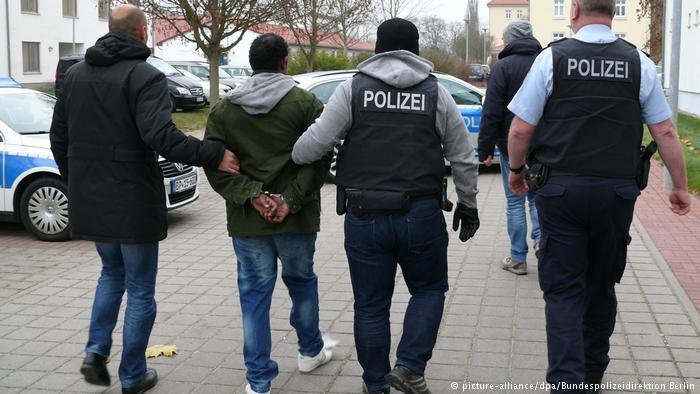
Jendro calls refugees and migrants the "raw material" for these gangs. Most of these people do not have criminal records yet, he adds, which makes them prime targets for criminal gangs who use them for dealing drugs, moving merchandise around, and various other relatively small illegal operations. If caught, they will get off with warnings or fines, rather than being forced to serve a prison sentence, due to their lack of a criminal record.
'Difficult to prove'
Linking them to the clans is almost impossible at the moment. Jendro says "they will never say that a clan sent them to do the act they are accused of committing." But observations over the last few years by the police suggest that this is the reality on the ground. One factor making refugees and migrants targets, thinks Jendro, is unemployment, either because they are not yet allowed to work in Germany or they don't possess the required language levels or skills to find a job. Another is that they are often alone in Germany -- being part of a network of people who speak your language could seem attractive. In addition, Arab clans are known for their showy ostentation, powerful cars, designer clothes, jewelry: all things that could act as bait to someone who has arrived with nothing and needs to try and create a new life for themselves.
"Sometimes they put pressure on these people's families back home too," adds Jendro, saying that the clans use these young men to "do the dirty work for them."

Jendro and the police have been warning that this could be a problem since 2017 "and the situation remains the same at the end of 2018," Jendro confirms to InfoMigrants. In November 2018, the police held a so-called "clan summit" in Berlin, with the Minister of the Interior for Berlin, Senator Andreas Geisel from the SPD. At the summit, the senator suggested that a special center be opened up to combat clan crime in the city. The police union’s director Norbert Cioma responded saying this was a useful step forward: "We have not been giving this problem our full attention for years," Cioma added warning that fighting the clans costs huge amounts of personnel and financial resources. The clans themselves are known for employing effective lawyers which means turning accusations into convictions has proved difficult to date.
Honor codes and the patriarchy
The authorities have identified at least 12 clans of Arabic and Kurdish origin in Berlin. They are governed by a strict set of honor codes and patriarchal structures. Because of these mafia-like honor codes, where each clan member is inextricably linked (often by blood or marriage ties) with every other person in the organization, it has been difficult for the police to really infiltrate their structures. This has led to the accusation that German authorities have essentially allowed a parallel society to flourish in their midst, not just in Berlin but in several other German cities too.

In September, about 2,000 mourners gathered at the funeral of a prominent underworld figure, Nidal Rabih, in the Islamic section of a Berlin cemetery, while police officers watched from the perimeters. This kind of show of strength by the city’s most powerful families is not uncommon. They are also infamous for pulling off showy heists.
For example, associates of these crime rings have been accused of stealing a commemorative gold coin from Canada which was being displayed in Berlin’s Bode museum in 2017, robbing a poker tournament of about 240,000 euros at Berlin’s Grand Hyatt hotel in 2010 and stealing luxury goods from Berlin’s KaDeWe department store to the tune of 800,000 euros in 2014.
The clans first established their presence in Germany in the 1980s after many fled the conflict in Lebanon. They have their fingers in all sorts of ventures, from drugs, to prostitution, protection rackets and even the entertainment business.
Running scared
German rap superstar, Bushido, whose real name is Anis Ferchichi graced the cover of German news magazine Stern in September when he and his wife Anna-Maria decided to open up about why he had apparently moved away from associating with clan leader Arafat Abou-Chaker at the beginning of this year.
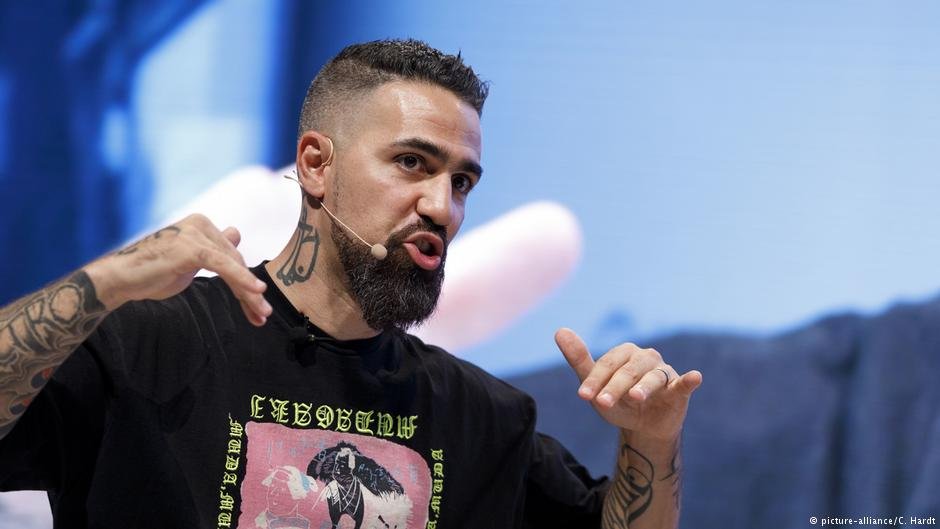
In 2013, the same magazine, in a special report entitled "Bushido and the Mafia", wrote about how the rapper is said to have handed over 50 percent of his business to Abou-Chaker and had been working with him since 2003 after he met him on the streets of Neukölln in Berlin. According to Stern, the rapper and his wife reportedly fell out with Abou-Chaker and told the magazine that they wanted to "free themselves" from the clan's grip. "It was like I was his slave, his dog," said Bushido, adding that he didn't want to be seen just as a victim, that he had also been part of the events and that for too long he’d been "looking the other way."
In late November 2018, a special police commando searched a property which appeared to belong to both Bushido and Arafat Abou-Chaker. The police were reportedly looking for weapons and evidence of criminal activity. Newspapers reported at the time that the authorities could also have been looking for evidence of potential revenge plans on the part of the Abou-Chaker clan against Bushido after he allegedly switched his allegiance to another Arab clan in Berlin, the Rammo family.
A cautionary tale
The tale of the clans throws the link between crime and the lack of integration into sharp relief. Today's clan members were once refugees and migrants from conflicts in the Middle East themselves. The problem of being given a “temporary protection status” but then not having any access to work could have speeded up the descent into delinquency, explained Mathias Rohe, an Islamologist to AFP. As a result, German authorities are working hard to make integration work this time.
After years of being criticized for turning the other cheek, the Berlin authorities seem to have launched a crack down against these crime families. They have increased raids of shisha bars and betting shops, many of which can be found in the Neukölln district of Berlin. They have also confiscated some of the luxury cars driven by clan members when they are caught speeding. In the summer, police and prosecutors reportedly seized 77 properties worth 10 million euros. AFP reported that many of these properties were bought with the proceeds of a big 2014 bank robbery.
The Berlin interior minister, Andreas Geisel told AFP that the authorities were starting to “step on the toes” of the clans, and “spoil their fun in Berlin.” That might sound positive, but at the end of the clan summit in Berlin, Police Union President Cioma sounded a note of warning to politicians who think that the situation has easy solutions. "This situation is extremely complex," he explained, "and we can't just be expected to do this on the side of our other activities," signaling perhaps that even more resources should be redirected to this problem in order to make a real difference on the ground.
Much of the information in this article is taken from an AFP feature by Yannick Pasquet and Frank Zeller. Published December 18, 2018.