
Sam*, originally from Beylul, a city in southern Eritrea, left his country in 2019 for a training camp in Uganda with the national football team. One night, he decided to flee to build a better future and never return to his homeland and its repressive regime. After crossing several countries, including Libya, the Eritrean footballer ended up in Italy and then Spain, where he now lives in dire poverty. Here's his story.
"I'm not a happy man. I have moments of happiness, rare, fleeting, and very often linked to football. The last time I experienced a moment where my smile and emotions took over was on July 19 for the World Cup final between Spain and Argentina. I watched the match in Madrid in a fan zone, and I was overjoyed to see so much happiness this sport brought to my surroundings. It was a joyful interlude in a daily struggle. Football is a breath of fresh air.
I was born in Beylul, in southern Eritrea, and I've always loved football. I've been playing since I was very young. Like many Africans, my idols were Jay-Jay Okocha, Didier Drogba, Samuel Eto'o, and Yaya Touré. I grew up in a fairly poor family; we didn't have enough to eat every day. I wanted to help by playing football. I started playing in local tournaments and then did everything I could to turn professional and maybe one day play in Europe and earn money to support my family.
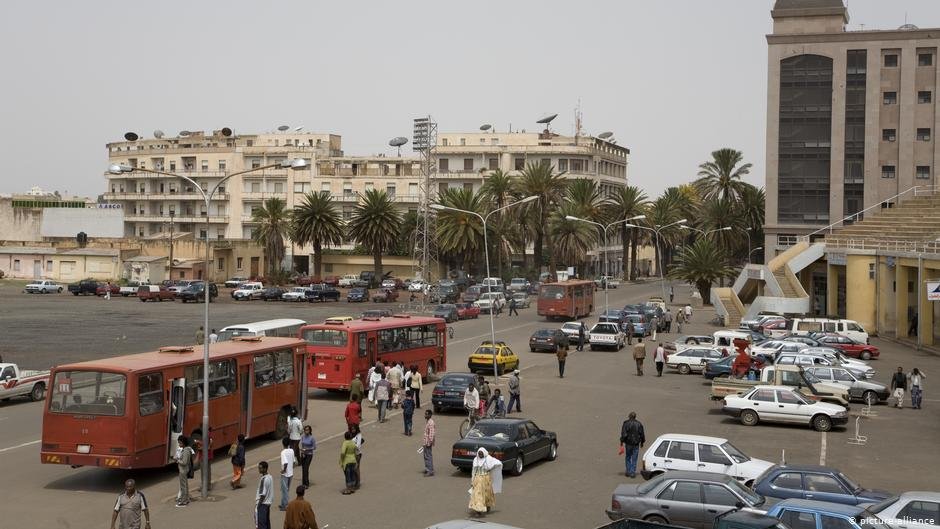
My reputation grew thanks to my football skills, and at 15, I was recruited by one of the best teams in the country, in Asmara. I quickly became an important player and earned money to help my family.
I became an Eritrean international player in 2016. But we didn't travel much, and for a good reason: several players had already fled during trips abroad. I could see that the government and the security services wanted to keep a tight rein on us, and during a rare trip to Uganda in 2019, I decided to escape in the middle of the night with seven other teammates. I had to take control of my own destiny. We all had a little money, and from Kampala, we went to the Central African Republic, then Chad, and after three weeks we were able to go to Libya after intermediaries offered us passage to Europe.
'I struggled'
We had to work to earn some money and pay for our trip. We worked on construction sites, collecting garbage, and I struggled, but it was my only way out to live my dream of playing football in Europe. After nine months in Libya, I managed to save enough money. One autumn evening in 2020, we found ourselves on a boat. I experienced the hardest hours of my life; I was seasick, I thought I was going to drown. I don't know how we made it to Italy; I fainted twice during the journey. It was hell.
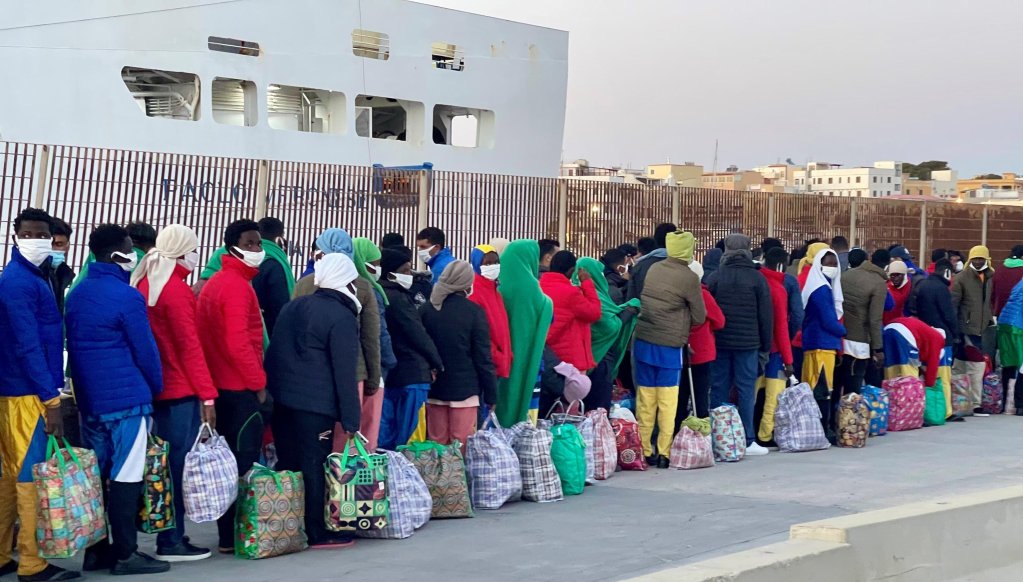
In Lampedusa, we were all starving, we were scared, we didn't know what was going to happen to us. I've never been so scared in my life, and I come from a country where I would hear gunshots every day, people being beaten by the police at any moment. We were transported to Calabria [southern Italy, editor’s note], and we all applied for asylum. The process is long, we had hope, my application was provisionally approved. I felt a moment of joy, but it was fleeting. I looked for work, I managed to do some cleaning jobs.
I had also managed to contact a football team in Cosenza [in Calabria, editor’s note], where I was able to have a trial. I wasn't afraid to start at the bottom, in the sixth or seventh football division, because I had a burning desire to succeed. But six months later, I learned that my asylum application had been rejected. I was devastated.
I had to go into 'survival' mode, more than ever. I did everything I could to find money, even taking on menial jobs: cleaning toilets, washing dishes, collecting garbage. It was very hard, and I saw no way out of my situation; I even thought about suicide.
I spent almost three years in Italy, first in the south, then in Milan [northern Italy, editor’s note] where I thought I would find work more easily.
'In Eritrea, I was convicted of treason'
A friend suggested I go with him to Spain, hidden in a truck. I said yes, paid the smuggler with most of my meager savings, and one evening, we left. We only had enough to drink; we were hidden in a truck transporting furniture. We were terrified, we were cold, but we didn't really have a choice.
In the autumn of 2023, we arrived near Madrid one morning, and Eritrean friends took me in, it was in the Vallecas neighborhood. I quickly received help from the Red Cross, Caritas, and local migrant aid organizations, which are helping me survive and find a way to become a legal resident in the country.
Since then, I've been living in extreme poverty. Without their help — food, shelter, because I'm constantly being moved from one shelter to another — and without the solidarity of the people in this district of Madrid, I would be homeless. I am undocumented, I live in fear of being arrested, of being deported. I know that in Eritrea I was convicted of treason because of my escape; I risk life imprisonment if I am deported.
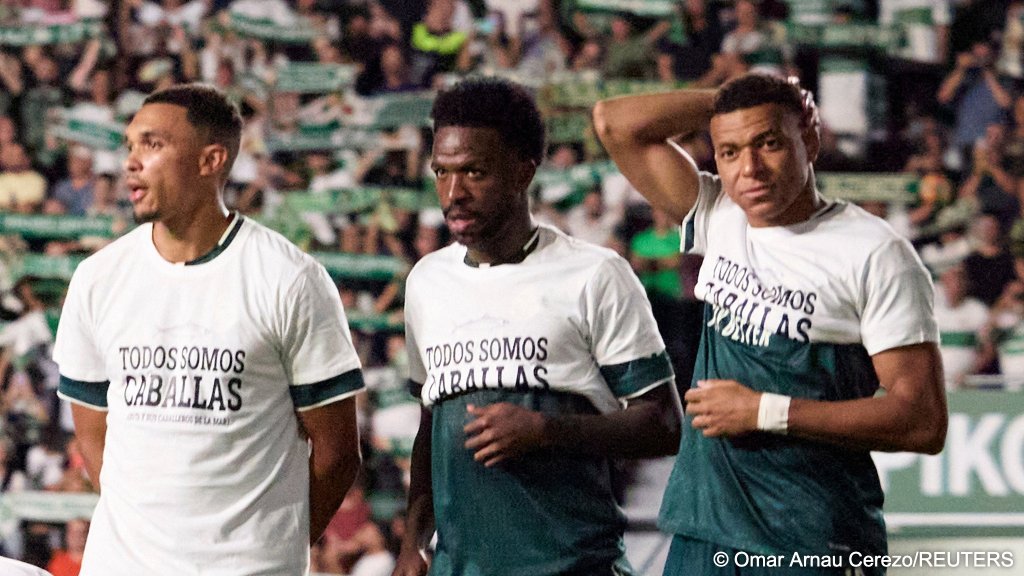
I watch football matches on television, and I am happy to see that the Eritrean team has finally been able to play official matches again since last March.
After several years of suspension by FIFA, the Eritrean federation was once again authorized in 2026 to register its national teams in continental competitions. Composed in part of dual nationals, some of whom were born in Sweden, Denmark, and Norway, Eritrea is in Group D, in last place with one point after two matches.
I was able to watch my compatriots represent our country in the Africa Cup of Nations (AFCON) qualifiers, but I know my dream is shattered: I will never wear the national team jersey again; my dream of playing professional football has collapsed. I dreamed of playing in the biggest stadiums in the world, but today, I have to fight to survive every day.
*His name has been changed.