
In Barcelona, Sunanda says Spain's regularization process could be life-changing for undocumented migrants -- not just opening a legal path, but easing the daily pressure of insecure work, housing and uncertainty.
InfoMigrants spoke to people on the ground in Spain about the extraordinary regularization process, a measure many say carries deep personal stakes. The scheme offers undocumented migrants a one-year residence and work permit if they can prove at least five months' continuous presence in Spain before December 31, 2025, meet the criminal-record requirements and apply by June 30, 2026. More than half a million people have applied so far, and successful applicants can work in any sector anywhere in Spain.
For 26-year-old Sunanda, a Bangladeshi musician living in Barcelona, Spain’s extraordinary regularization process offers the chance of a new start. She has been in Spain for more than a year and is waiting for the result of her application, hoping legal status will bring more stability and fairer work.
She says the main reason she came to Spain was to obtain legal residency, but she also sees it as a place where she would like to settle. "The weather in Spain is very good," she said, comparing it with other European countries she has visited. The Bangladeshi community has been very supportive, she notes, especially the women, and she felt lucky to receive help from family members already living in Spain when she arrived.
Read AlsoInside Spain's extraordinary regularization drive
Risk of labor exploitation
Sunanda said the announcement was significant because, until now, undocumented migrants had to wait two years before being eligible to regularize their status. For many, she said, that meant living for long periods with no security at work, no stable housing and little protection from exploitation.
"When the government declared the regularization, we, mostly people without papers, were very happy about that because the two years of staying here are very tough," she said. "It's very tough for an undocumented person because you don’t get a job easily, and whenever you get a job, employers don’t give you a proper salary."
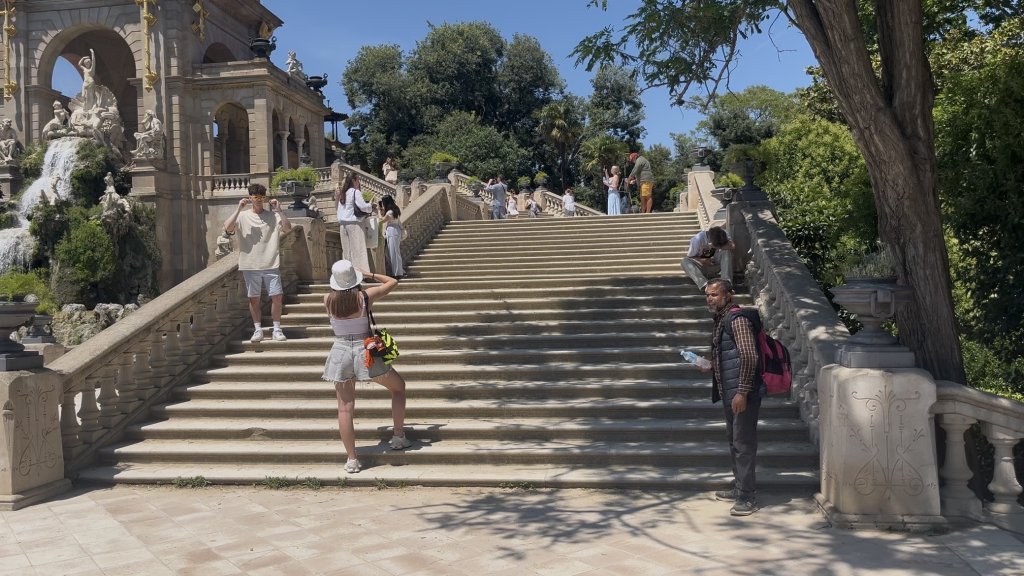
Although most people in the Bangladeshi community are helpful and supportive, she said a small minority take advantage of newcomers. She said she worked for one month and then did not receive her salary. Undocumented workers are often forced into long hours with no breaks, no time off and little protection or guarantee of being paid. "You don’t have a weekend. You don’t have a holiday, and it’s very tough for a person to stay here," she said.
Hiring undocumented workers can also be attractive for some employers because they do not pay tax contributions, although the fines for doing so can be significant. Sunanda said regularization would help workers avoid abuse by employers who know undocumented migrants are reluctant to complain. "If you are irregular, it’s a risk for the employer also," she said. "So most of the employers don’t want to keep the irregular workers."
Read AlsoSpain: Migrant workers in greenhouses hope regularization campaign brings improved conditions
Precarious housing
Sunanda said legal status would not just improve working conditions but also change how people are treated. "When you have your identity, there is no chance of getting scammed, I think. But if you don’t have an identity, people will keep on treating you badly."
Housing is another major concern, she said. Without papers and a national identity (NIE) number, many undocumented migrants struggle to rent a home, forcing some to share overcrowded accommodation or sleep outside.
"After getting a residence permit through the regularization process, I think it will make a huge difference," she said. "Undocumented people don’t get a chance to live in a house alone, because you need a NIE number to get a house.”
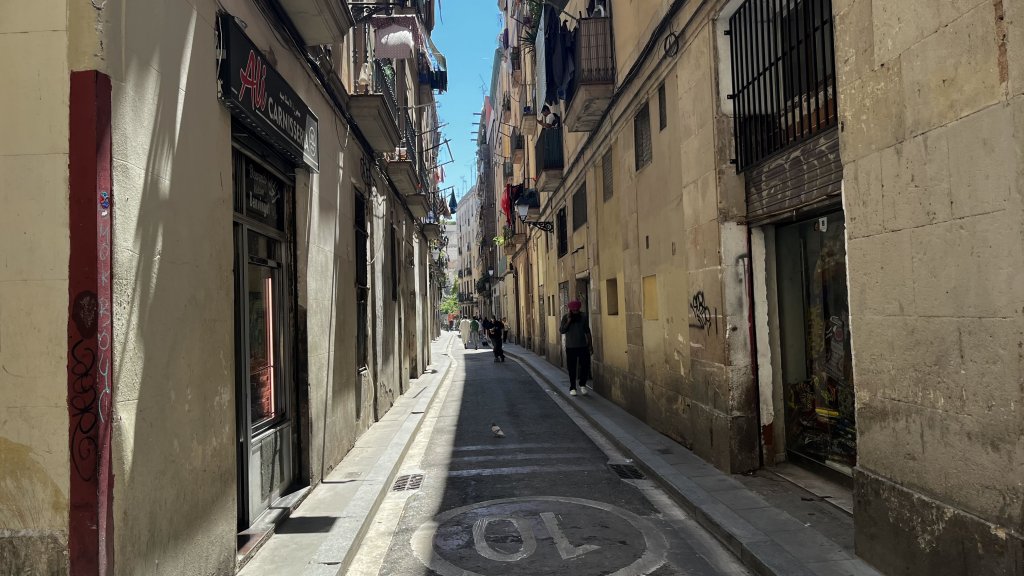
She said the situation is especially difficult in winter. "I can see many people living here in the street, on the roads. It makes me very sad," she said. "Whenever they get the paper or the residence card, it will be easier for them to get a house."
Read AlsoHow Spain's 2026 regularization works
Looking ahead
For Sunanda, the process is also about the future. She wants to stay in Spain with her husband, continue her studies and eventually train as a nurse.
"And after getting the residence card, I would like to continue my studies here. The first thing I will do is to enroll in the university."
Music remains part of that life. Sunanda plays the harmonium, a traditional Bangladeshi instrument, and takes part in events organized by the Bangladeshi community in Barcelona. Those gatherings, she said, help her feel connected while she waits for her papers.
Read AlsoSpain's migrant regularization scheme: What it means for mobility across the EU