
For years now, 23-year-old Ibrahim*, from Guinea, has been trying to reach Europe, first through Libya, then through Tunisia. In late September, he was stopped at sea by Tunisian forces and deported to Libya, in a violent manner, he says. This is his story:
"I was stopped in the Mediterranean sea in late September when I was trying to reach Italy. There were 49 of us in the boat.
Tunisian coast guards brought us back to Sfax [an east-central Tunisian city known to be a point of departure for migrants trying to reach Europe, editor’s note] at around 8 am. Before getting off the boat, the officers tied our hands with metal strings and put us directly on to buses.
It’s not the first time I tried crossing the Mediterranean each time I was prevented from completing my journey. Before, we might get an hour or two away from the harbor, before officials might discover us, but now everything goes much more quickly.
'In the bus, officers hit us with batons'
That day, the people that were arrested with me were scattered across four buses — in each vehicle, there was about 50 people. We didn’t know where we were going.
In the bus, officers hit us with batons. We had to lower our eyes. If we raised our head, they would hit us. They also searched people and took their belongings: phones and money.
Our trip was long. In the late afternoon, we reached a National Guard camp near the Libyan border, in Dehiba.
In a 2023 investigation, InfoMigrants revealed that when migrants are deported to Libya, Tunisian officers usually take two paths: one goes north between Ben Gardane and Ras Jdir, and another further south between Dehiba and Nalut. In the last few months, that second path — more discreet than the first — seems to be more favored than the other.
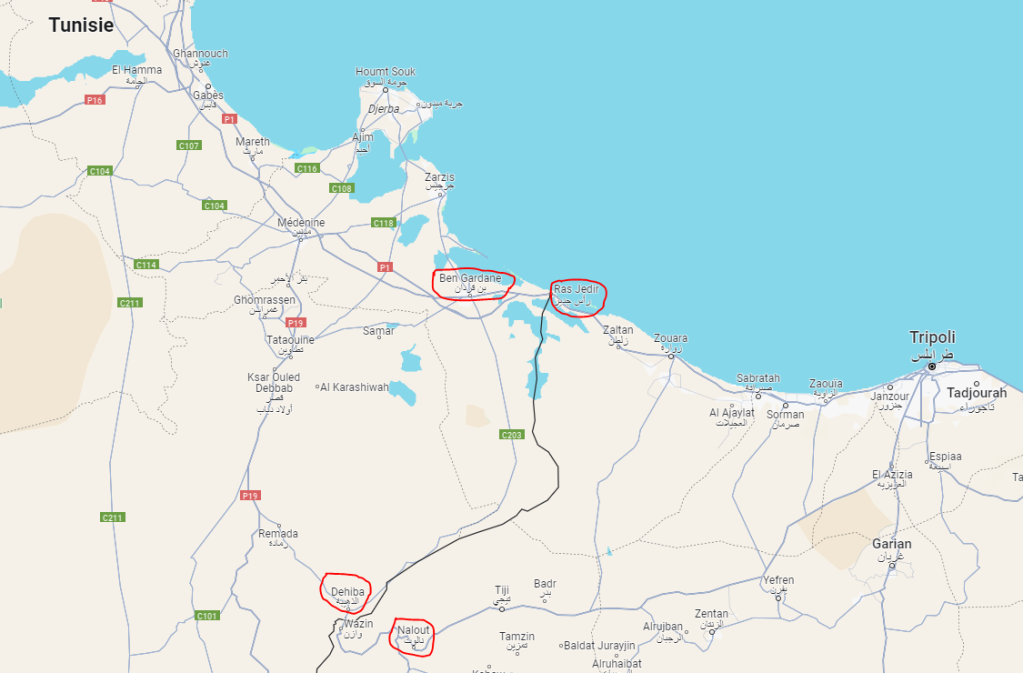
We spent a few hours in the Dehiba camp. Then, everyone was beaten. We were searched a second time and beaten again and again.
Later, at night, around 10 pm Tunisians put us in pickup trucks. There were about 10 of us in each car. We were moved to another center, closer to the Libyan border. We spent the night there.
The next morning, we got back on the road for a few minutes: Tunisian officers, escorted by army personnel, brought us to a hill. On the other side of the sand hill was Libya.
The Tunisians untied us — we had been restrained since we left Sfax — and ordered to go up the hill. They told us: 'If you come back, we’ll beat you and kill you.'
Migrant swap
When we climbed the hill, we saw two Libyan forces cars. I told my companions about the potential dangers — there were 17 of us — that if we continued towards them, we’d be thrown into a country jail. And to get out of it, we’d have to pay a ransom.
In our 2023 investigation, other migrants mentioned this hill between Tunisia and Libya. One of them told the same story: "The [Tunisians'] car stopped at a sand hill. On the other side, it’s Libya. The Tunisians climbed the hill to state their presence. Five minutes later, we heard a car horn coming from the other side. Police then pointed their Kalashnikovs at us and told us: 'Haya, haya' [go, go, in English, editor’s note], pointing to Libya. Everyone was afraid."
On one side of the hill are Tunisians, Libyans are on the other. We stayed in the middle, for at least an hour. After a while, the Libyans left with four migrants from our group. The Tunisians then told us to get down from the hill, threatening to beat us. We finally got down and returned to the camp on the Tunisian side.
At the end of the day, around 8 pm, we were taken back towards the hill. It was night. We stayed on top of that sand hill and spent two hours there, trying to understand where the Libyans were. But they weren’t there, so we continued into Libya.
We saw the lights of the first village from afar. We walked in that direction and reached the small city of Wazin [about 2kilometers away from the Tunisian border, editor’s note]. I walked all the way to Nalut [50kilometers away from Wazin, editor’s note] to a friend’s, and then I took a cab to Tripoli, hidden in the car trunk.
'Tunisia has become more dangerous for Subsaharians'
I know that country well, I have friends who house me in the capital city,
Ibrahim has spent multiple years in Libya hoping to reach European shores. He went to prison multiple times too. At the end of 2022, facing a worsening of living conditions for migrants in the country, he decided to try his luck reaching Europe from neighboring Tunisia.
I work in construction to make money to be able to cross [the Mediterranean, editor’s note] from the Libyan coast. Things have changed in Libya since I’ve left. I feel like it’s less dangerous than before. Tunisia has become more dangerous for us sub- Saharians.
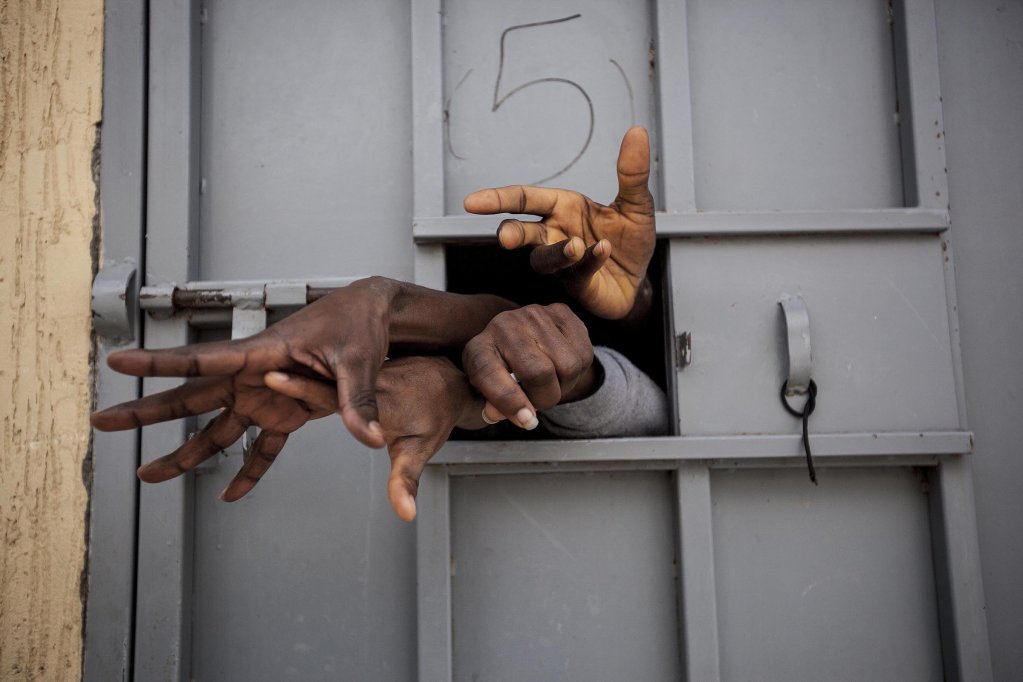
In Tripoli, there’s no risk of being stopped by the police at every street corner like in Tunis. In Tunisia, you’re stopped all the time, even when you’re walking. In Libya, you can be sent to prison, but only after being stopped at sea.
For two years now, migrants in Tunisia have said they are victims of harassment from officials. Black people in the country are stopped in shops, cabs, cafes, at their workplace, or in their own home. They are then abandoned in the desert, at the border with Algeria or Libya, where they are sentenced for "irregular stay" and thrown into prison. These last few years, Infomigrants has received several testimonies of sub-Saharians traumatized by their stay in Tunisian prisons.
In Tunisia, you are locked up with criminals. In Libya, to get out of prison, you have to pay a ransom. In Tunisia, you can’t do anything. You stay locked in prison for months and months."
*Name has been changed to protect identity