
Ibrahim (a pseudonym) has been on the road for six years. The 23-year-old Guinean traveled through Algeria, Libya and Tunisia, hoping to cross the Mediterranean to reach Europe. Smugglers lied to him at every stage of his journey, he says, whether it was in the desert or at sea. This is his story:
"Smugglers begin lying as soon as we leave our country. After leaving Guinea, I went to Bamako [Mali’s capital, editor’s note] under my own steam. I had my first contact with the smugglers' network in that city.
Some migrants pay for their entire trip in Bamako: the price includes the trip all the way to the North-African coast and the Mediterranean crossing.
Yet as soon as you reach Gao [in northern Mali, editor’s note], you often need to pay 40,000 CFA francs again [around 60 euros, editor’s note]. The smuggler you meet there tells you that he didn’t receive the money. If you want to continue your trip, you need to pay again.
Migrants get ripped off by smugglers along the entire route. Leaving Gao, you pay 90,000 or 100,000 CFA francs [about 150 euros, editor’s note] to reach Alger or Oran. Yet in the end, you can spend up to 300,000 CFA francs [about 450 euros, editor’s note] to reach northern Algeria.
You pay for your trip as you go along. When you manage to reach the region of Tamanrasset [in southern Algeria, editor’s note] for example, the smugglers can abandon you in the desert, about 150 kilometers away from the city. The network is well organized: they call other people saying that they left a group of migrants in a certain place. These people come later and tell you to pay 3,000 Algerian dinars [about 20 euros, editor’s note] to [get you out of the desert] and let you continue on your journey.
Read AlsoMediterranean crossing: Smugglers ‘lie about all their services’ to migrants
From Algeria to Libya
When you leave Algeria to go to Libya, the smuggler doesn’t explain how the trip will unfold. He reassures you and tells you that you will quickly arrive at your destination, safe and sound. Yet it’s not like that along the road; you face many dangers and difficulties that you were never prepared for.
The smuggler never said several vehicles would be necessary to reach northern Libya from Algeria. I used at least eight cars, and I traveled for four days! I thought I would take one bus or one car. In reality, you change convoys and drivers several times. You are hidden in trunks, you don’t see the road, you can be hidden under tarpaulins. They don’t tell you about all this in the beginning.
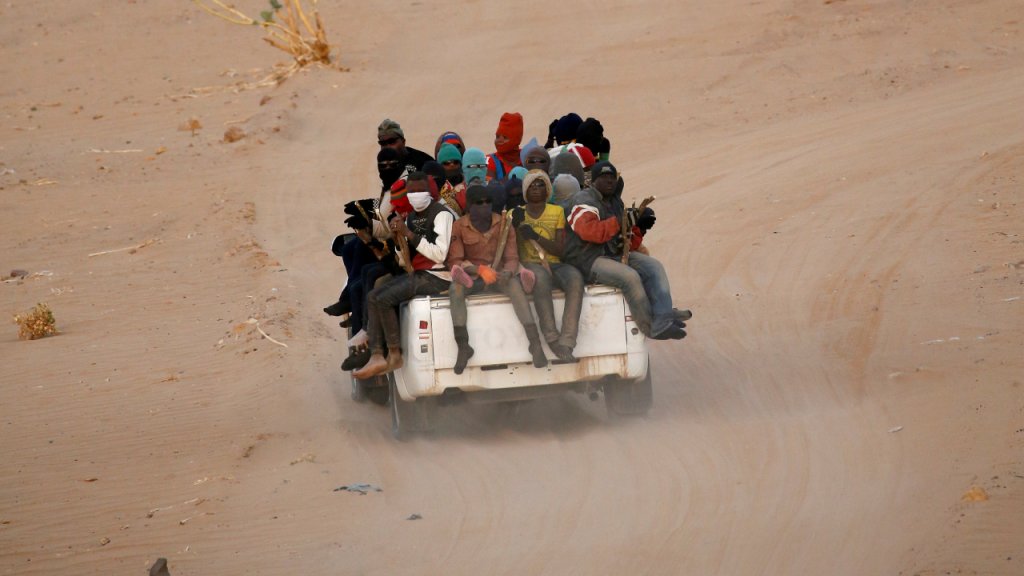
Then, when you leave Algeria, you leave without water or food because you don’t think the trip will last longer than a few hours.
African migrants often try to enter Algeria, Tunisia or Libya after crossing the Sahara Desert. The migrants are sometimes abandoned by the smugglers. They have almost no chance of surviving when they are lost in the middle of nowhere with extreme temperatures and no water.
It was terrifying because I don’t speak Arabic so I couldn’t ask questions. The drivers are armed in addition, so we didn’t dare say anything. It was in the middle of the desert, so we didn’t have any other choice but to follow. They didn’t tell us anything until we reached Tripoli.
Migrants can also find themselves in clandestine prisons in the desert, and traffickers attack the convoys once they cross the border with Libya.
The Mediterranean crossing
The smugglers also lie when it comes to crossing the Mediterranean Sea. They promised us they would use large boats, rather than the kind in rubber. They also stated that there would only be 50 people on board.
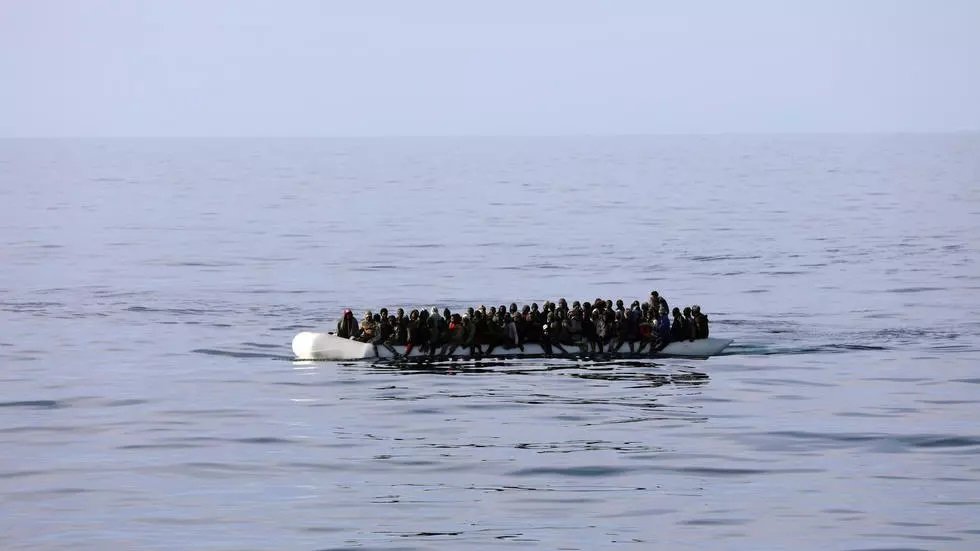
They said we had to pay a lot so it would be a safe crossing, but they use small boats with over 100 people inside. You pay between 50 and 80 euros for a life jacket but when you reach the water’s edge, they don’t offer you one.
Once again, we didn’t dare say anything because the smugglers were armed. Even if you fear boarding the boat because it’s overloaded, the smugglers force you to get in.
I heard the biggest lies in Tunisia. You can pay an intermediary between the smugglers and migrants, but when you get to the settlement where migrants stay while waiting to cross the sea, you realize that your money wasn’t given to the smuggler.
You paid 500 euros for the trip, but the person disappeared. They don’t respond over the phone, and they block your number.
The smugglers devour your money."
Read Also
Mediterranean crossing: Debunking the lies that smugglers tell migrants