
More than a hundred people are missing after they were reportedly forced to jump into the open sea off Djibouti’s coast. The incident makes 2024 the deadliest year on record for the route from Yemen to the Horn of Africa.
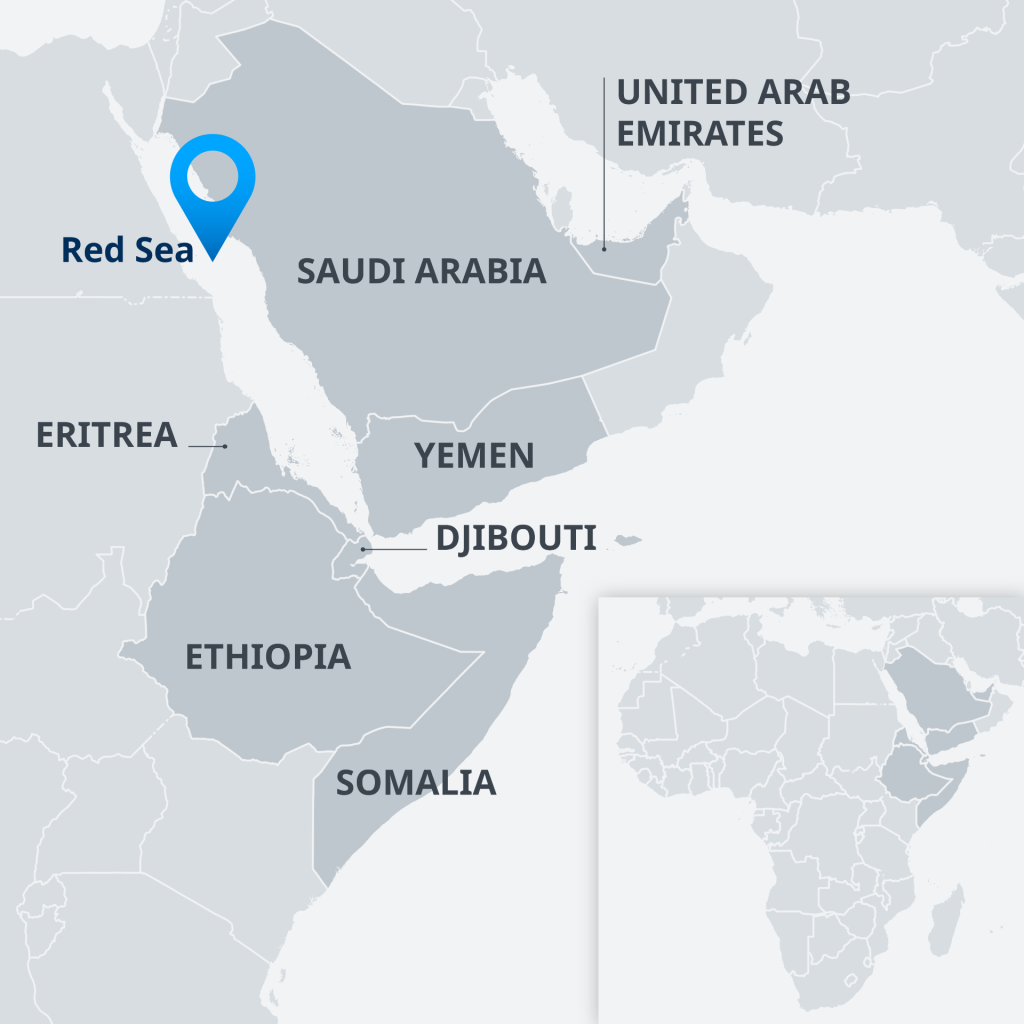
The UN migration agency, IOM, said two boats had left Yemen with a total of 310 people on board, bound for Djibouti. As they approached the coast near Obock, the boat operators – reportedly Yemeni smugglers – forced the passengers off the boats.
From the first boat, which had been carrying 100 people, one woman drowned, the IOM said. The remaining 99 passengers, including a 4-month-old infant, survived.
210 people had been on the second boat, survivors said.
By early Wednesday, the bodies of 45 people had been recovered and 55 people had been rescued, according to the UN agency. The Djiboutian coast guard on Wednesday (October 2) continued to search for as many as 111 migrants thought to be missing.
Hundreds of thousands risk dangerous Eastern Route
Every year, hundreds of thousands of people, mostly from Ethiopia and Somalia, travel from Djibouti across the Red Sea to Yemen and other Gulf countries, a route described by the UN as one of the world’s riskiest migration corridors.
Thousands face violence, exploitation and abuse along the route. Some migrants – such as those involved in Tuesday’s incident – attempt the dangerous crossing back to Djibouti.
2024 has become the deadliest on record for sea crossings between East Africa and Yemen. Prior to Tuesday's incident, 124 deaths had been recorded off the coast of Djibouti since the beginning of the year.
Read AlsoDjibouti: Dozens of migrants die in shipwreck
"This latest double tragedy is the starkest reminder yet of the urgent need to protect and address the needs of migrants along the Eastern Route from the Horn of Africa to Yemen and the Gulf," said the IOM’s regional director, Frantz Celestin.
The IOM is providing humanitarian assistance, as well as medical care and shelter to the survivors.