
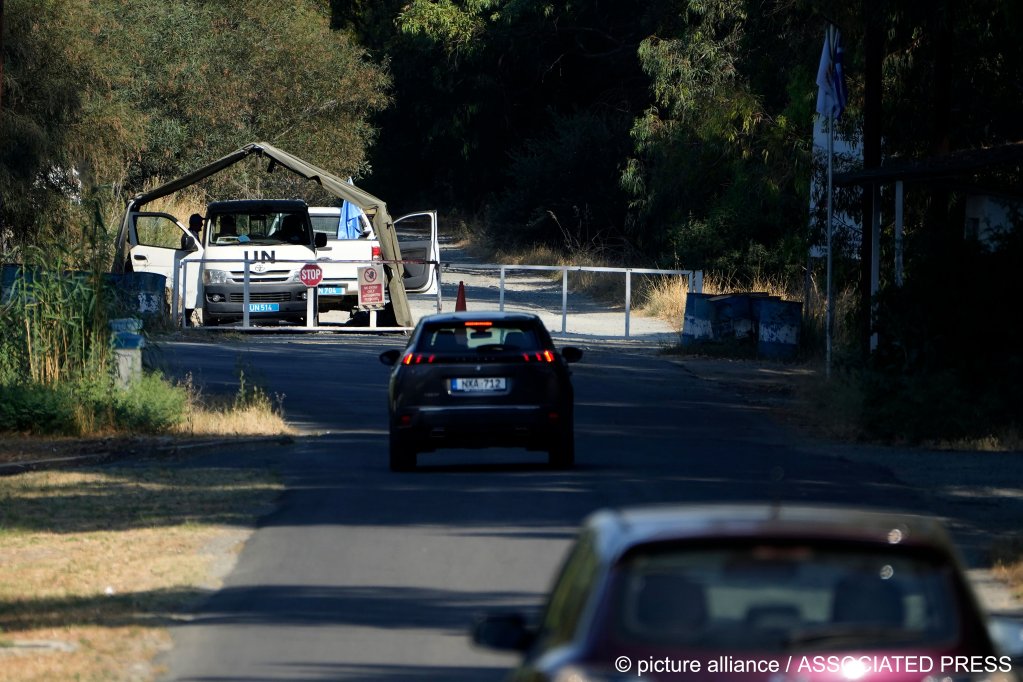
The European Commission has urged Cyprus to allow dozens of migrants, stranded for weeks in harsh conditions, to claim asylum. The migrants have been living in tents in the buffer zone between the Turkish-controlled north and the Republic of Cyprus.
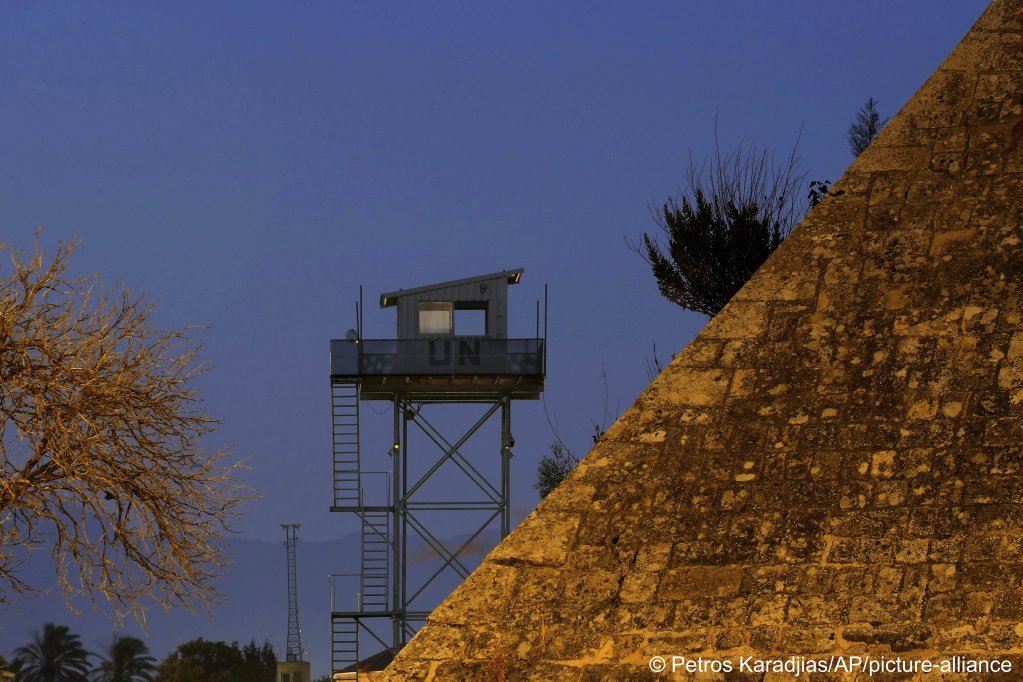
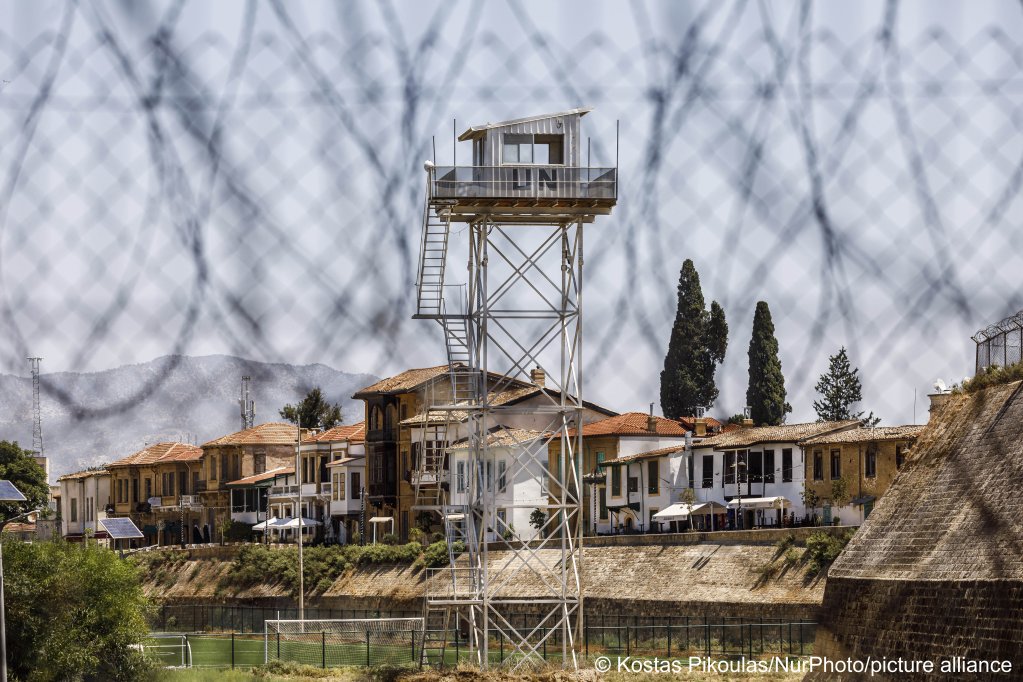
A group of around 70 people have been camped out in the demilitarized zone patrolled by the United Nations since Cyprus refused to allow them to cross to the southern side of the so-called Green Line to seek asylum. The number of migrants stranded in the buffer zone has been growing since late May. Coming from countries including Somalia, Sudan, Congo, Syria, Iran and Afghanistan, all reached the area through North Cyprus via Turkey.
The Commission underlined on Thursday that the government of Cyprus, which is an EU-member state, has an obligation to provide the migrants with access to asylum.
"The possibility for any person to apply for international protection on a Member State’s territory, including at is border or in a transit zone, is established in EU law," a spokesperson for the Commission told the Cyprus Mail newspaper, adding that they were closely monitoring the situation and were in contact with both the Cypriot authorities and the UNHCR in Cyprus.
We will not allow the Green Line to become a route for migrants
The Commission’s call for Cyprus to grant the migrants access to asylum procedures comes after the country’s Deputy Migration Minister Nicholas Ioannides repeated that the government would not allow the Green Line to become a route for migrants to enter Cyprus.
"It is our firm position that we do not want to create a new route via the Green Line, especially now that we are not facing arrivals by sea," Ioannides said Wednesday.
After visiting two asylum seeker reception centers in Kofinou and Limnes, the deputy minister added that the government did "not want to clash either with UNFICYP [UN peacekeeping] or the UNHCR," the Cyprus Mail reported. Talks were planned with the UN refugee agency to try to resolve the problem of those stranded in the buffer zone, Ioannides added.

Ioannides insisted that the European Union had no role in the situation. "The important thing is that there is no intervention from the EU, in terms of pressures to Cyprus, because they understand the situation," he said.
The statement prompted a strong reaction from KISA, a Cypriot anti-racist organization working with migrants, which demanded a "clear public statement from the EU" with regard to Ioannides' comments.
'Dire conditions'
The Cyprus government says it is offering assistance to the migrants in the buffer zone. But officials, including from UNHCR, say the migrants, including children, are living in "dire" conditions.
British High Commissioner Irfan Siddiq posted on X late last month: "Despite UN efforts, these people –including children—are living in dire conditions." He added, "an urgent solution is needed to relocate these people to more humane conditions and to allow for the processing of their asylum claims."
Mudassir, an Afghan man in the buffer zone, told the news agency AFP that there were "a lot of snakes" in the area and "things were really difficult."
He said said he had attempted to cross the Green Line at night to claim asylum from Cypriot police, but had been brought to the buffer zone by them instead. "We feel hopeless in these extremely harsh conditions," he said.
Another man, Lawrence from Nigeria, said he had fled his home country on a student visa to escape anti-LGBTQI+ discrimination. He too said he had been stopped by Cypriot police when trying to cross and had been "petrified."
"At some point I just gave up on everything," Lawrence told AFP. "My dream was to finish college and have a normal life, anywhere."
Also read: Cyprus spearheads EU-Lebanon migration deal
'The government has blocked us here'
An Iranian man, Hussein Zare, was also among the group living in UN tents in searing heat when he spoke to AFP in July. He said he had hoped to gain entry to the EU via Cyprus and start a new life in France.
Zare explained that he had flown in May from Iran to Istanbul, with his wife and daughter, and then on to North Cyrus. He claimed that when they tried to cross the Green Line, the police arrested them and brought them to the buffer zone.
"The government has blocked us in this area," said Zare.
The Iranian is one of a group of migrants who have hired a lawyer, with the help of UNHCR, to get permission to file asylum applications in the Republic.
Cyprus insists that Turkey is responsible for the migrants' claims. In a statement, the government said: "Since these people traveled through Turkey to the occupied areas [North Cyprus], it is Turkey’s responsibility to provide them with access to asylum procedures."
Migrants sue over alleged pushbacks
46 of the migrants in the buffer zone have joined a lawsuit against the government, saying they are being denied access to asylum proceedings and accusing the authorities of pushbacks.
Allegations of pushbacks – a prohibited practice under international law – have also come from NGOs and the UN refugee agency. Emilia Strovolidou, public information officer for the UNHCR, told the Cyprus Mail this week that ten people, including four unaccompanied minors, were subject to a pushback on Tuesday (August 6).
The paper reported that migrants who tried to apply for asylum not at the informal border but at the Pournara reception center had allegedly been returned to the buffer zone in unmarked vehicles. The UN has also said that migrants have been "dumped" in the zone.
Asked to comment on the lawsuit, Ioannides said: "The executive authority cannot interfere in court proceedings, so a solution will be found in court."
Also read: UN urges Cyprus to start asylum process for migrants in the buffer zone

'Significant changes' to migration laws planned
In comments to the Cyprus Kathimerini newspaper, Ioannides said his government was planning "significant changes to the country’s migration laws, which will soon be presented to parliament."
According to Kathimerini, the reforms will include speeding up the processing of asylum applications and making it easier to deport those who are refused asylum.
The President of the Houses of Parliament, Annita Demetriou, reportedly told Ioannides that she would make sure parliament prioritizes the review and approval of these new measures, calling the migration issue "urgent".
With AFP, AP