
The authorities on the Spanish Canary Islands archipelago say they are preparing to cater to up to 16,000 unaccompanied minors in the coming months. In addition to nearly 6,000 minors already present on the islands, around 10,000 more are expected to arrive over the summer.
The Canary Islands Immigration Forum, made up of regional and local institutions, as well as social welfare bodies and NGOs, announced on Tuesday (July 30) that they would set up a "crisis committee," to try and help the 5,600 unaccompanied minors who are already present on the Canary Islands with no family or accompanying adult to help them.
At the same time, the forum said that as many as 10,000 more could arrive in the coming months, based on the number of arrivals so far this year, and the advent of the summer months when more boats tend to harness the calmer weather and put to sea, reported the Spanish news agency EFE.
The Canary Islands President Fernando Clavijo told the forum that the numbers of arrivals expected this summer would either be the "same or worse than last year." He added that he felt the situation was "extreme."
Also read: Overcoming fear of the sea on the Canary Islands
'Overwhelmed'
Clavijo and the Canary Island authorities have long been calling on Spain’s central government in Madrid for assistance in managing the large number of arrivals to the archipelago in the Atlantic Ocean, off the coast of northwest Africa. They have claimed that they are "overwhelmed" and lack the reception capacity and infrastructure needed to house the arrivals, particularly in providing special care for unaccompanied minors.
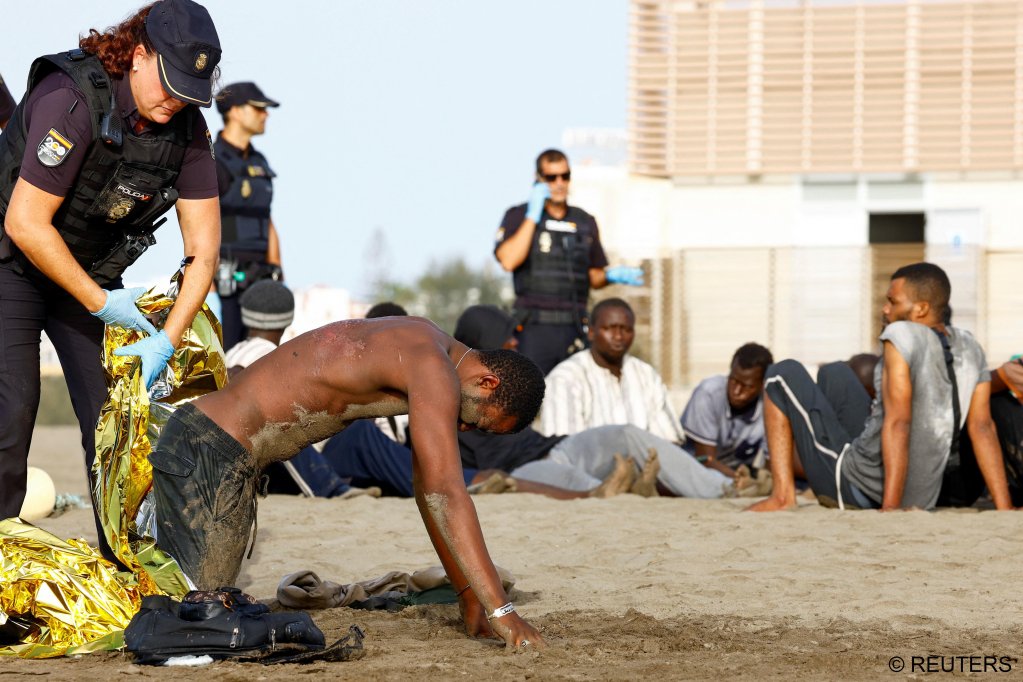
However, since a law was defeated in the Spanish parliament in July, reception of some of these minors in other parts of Spain remains voluntary. The Canary Islands and the ruling socialist government had hoped to make reception sharing mandatory, but the law was defeated by the Catalan nationalist Junts party, the conservative Partido Popular PP and the right-wing populists Vox.
The government has also refused to approve a special decree law, that Clavijo had also requested, which he hoped would help manage the situation. "The reality is that the minors we have are not even going to leave and we are going to have to take care of those who are going to arrive," Clavijo told EFE.
Also read: Two migrants die after reaching El Hierro
Tents to house future arrivals
Clavijo said that even the NGOs that were helping care for minors were also struggling to cope. The President said that they would have to start setting up tents to offer some kind of shelter to the new arrivals.
"If the navigation conditions are good, they will arrive and they will come, there are more than 150,000 refugees in a camp outside Mauritania trying to make the jump," Clavijo claimed. "The situation is going to be dramatic."
Clavijo told EFE that he was worried about what kind of an "image" this would give the Canary Islands internationally, saying he feared it would be "regrettable."
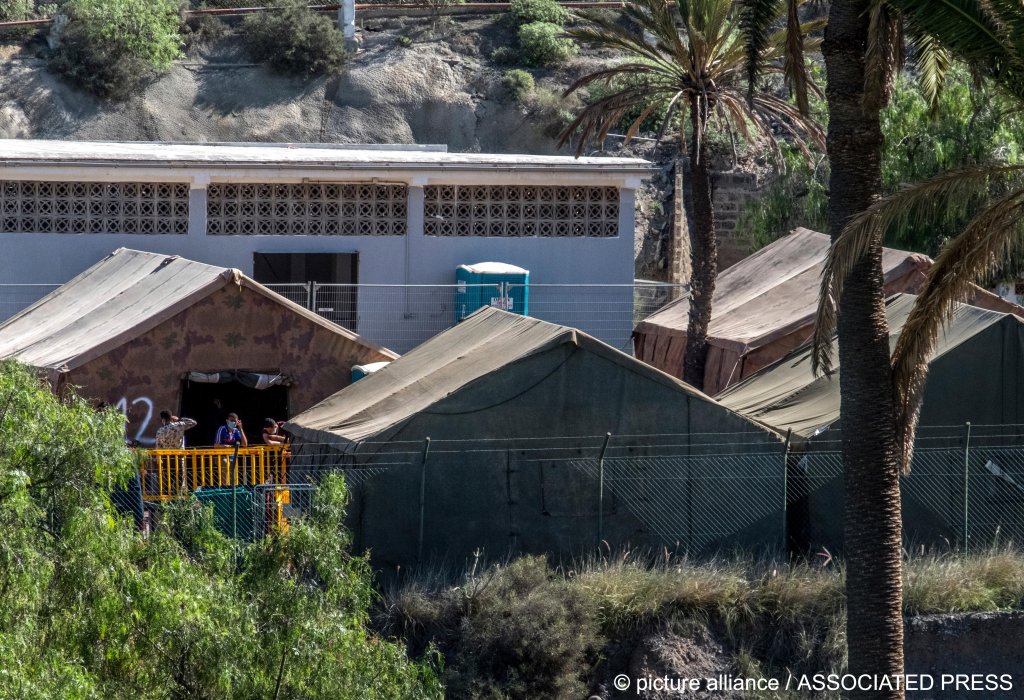
In the whole of 2023, around 40,000 migrants arrived on the Canary Islands. Betweeen January and June this year, almost half that (19,257) have already arrived, with the summer months expected to be the busiest.
Also read: Canaries renew call for broader distribution of migrant minors
Latest arrivals
According to UNHCR data last updated on July 21, 20,759 people have now arrived on the Canary Islands, and 28,165 in the whole of Spain. The vast majority of arrivals are by sea.
On Wednesday (July 31), EFE reported that a further 11 migrants arrived in Canary Island waters and were picked up by the Spanish rescue services Salvamento Marítimo. A report on the regional news portal Canarias 7 said they had been transferred to the port of La Luz y Las Palmas in the capital of Gran Canaria.
According to what the migrants on board told the authorities, they had spent five days at sea after setting sail from Senegal.
Also read: Mauritania, a new migration route to Europe?
With EFE